JOIN the AFICIONADOS
Get the insider news and lowdown on what we've been up to, where we've been, and who we've met along the way. Be the first to discover new places and get the scoop on our favourites.

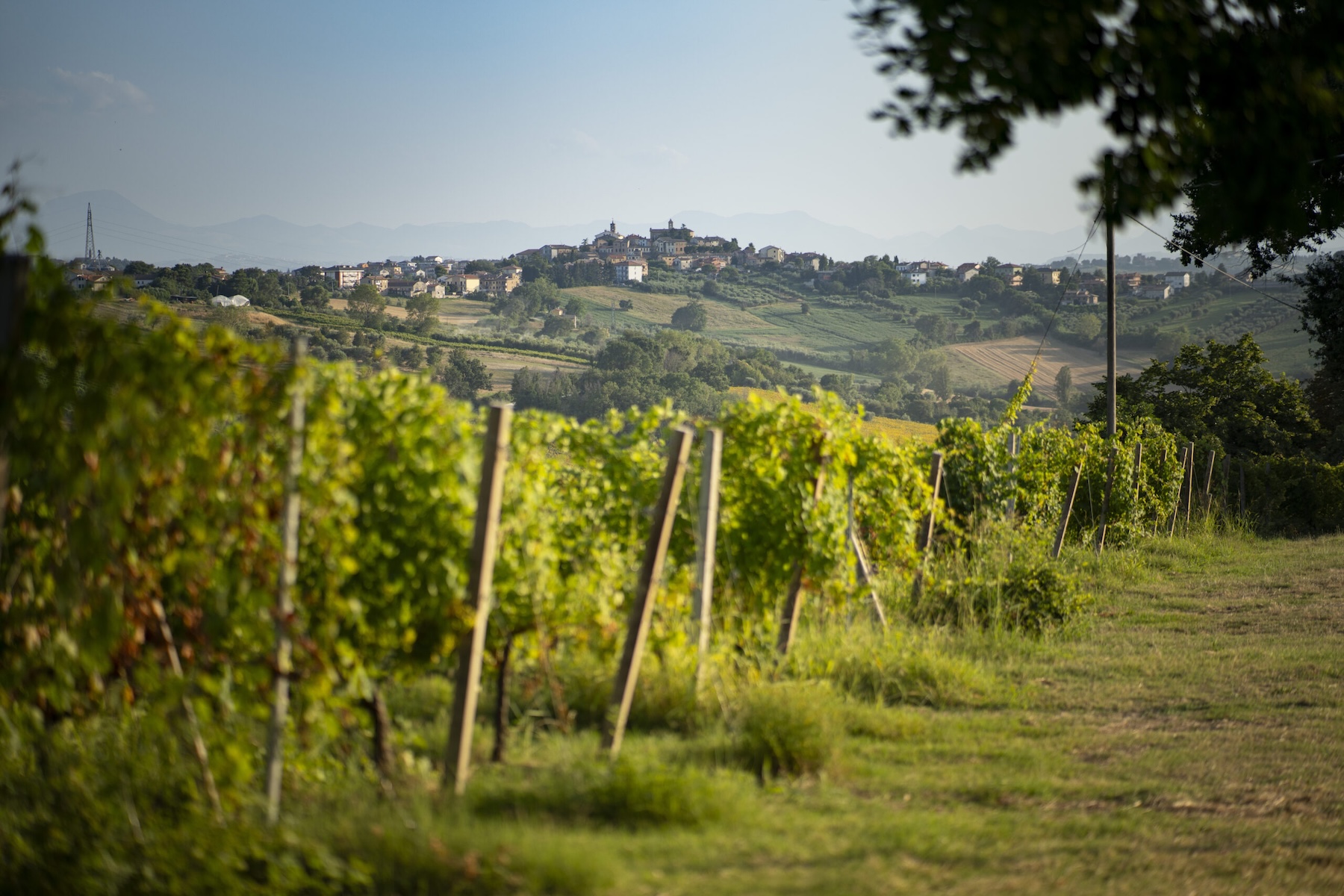
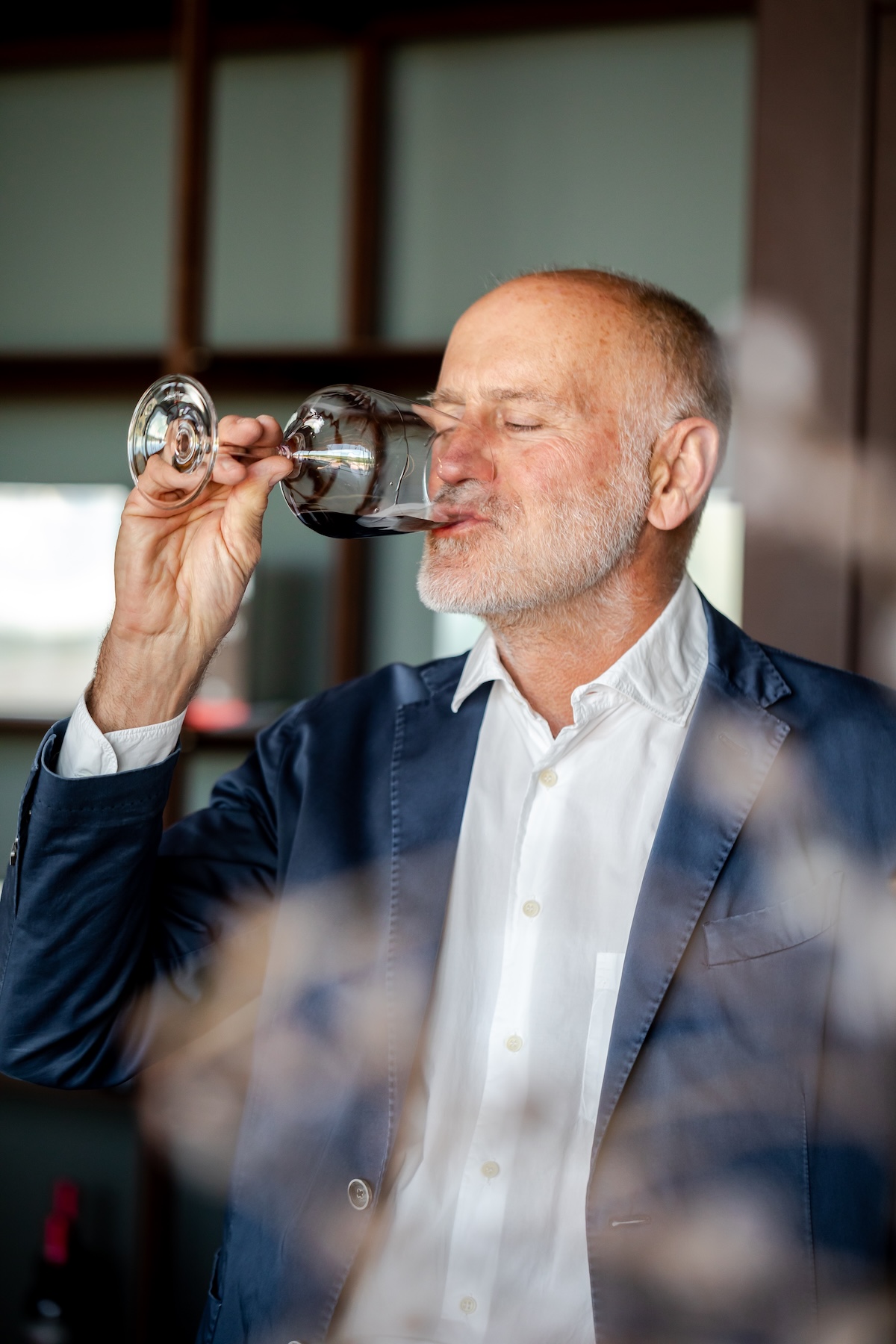
The Marche is home to Lacrima di Morro d’Alba – one of Italy’s most unusual wines. We sat down with Matteo Acmè – Sales Manager at Filodivino – to find out more about this unusual grape and the wines it produces
In the 1980s, it looked like Lacrima – and its wines – would soon disappear. There were only seven hectares of the grape in production – but, thanks to a handful of pioneering producers, this viticultural jewel was saved from extinction.
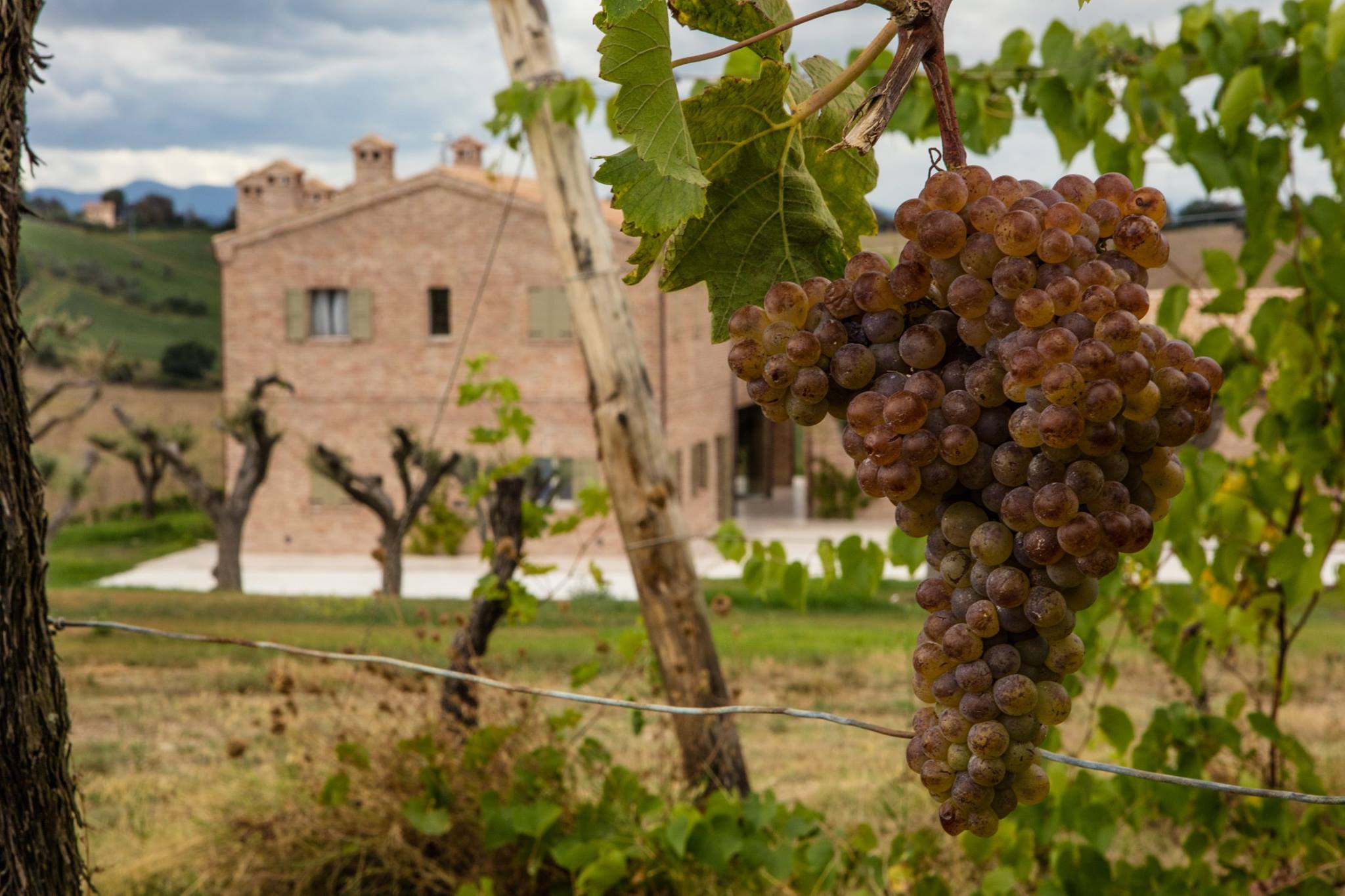
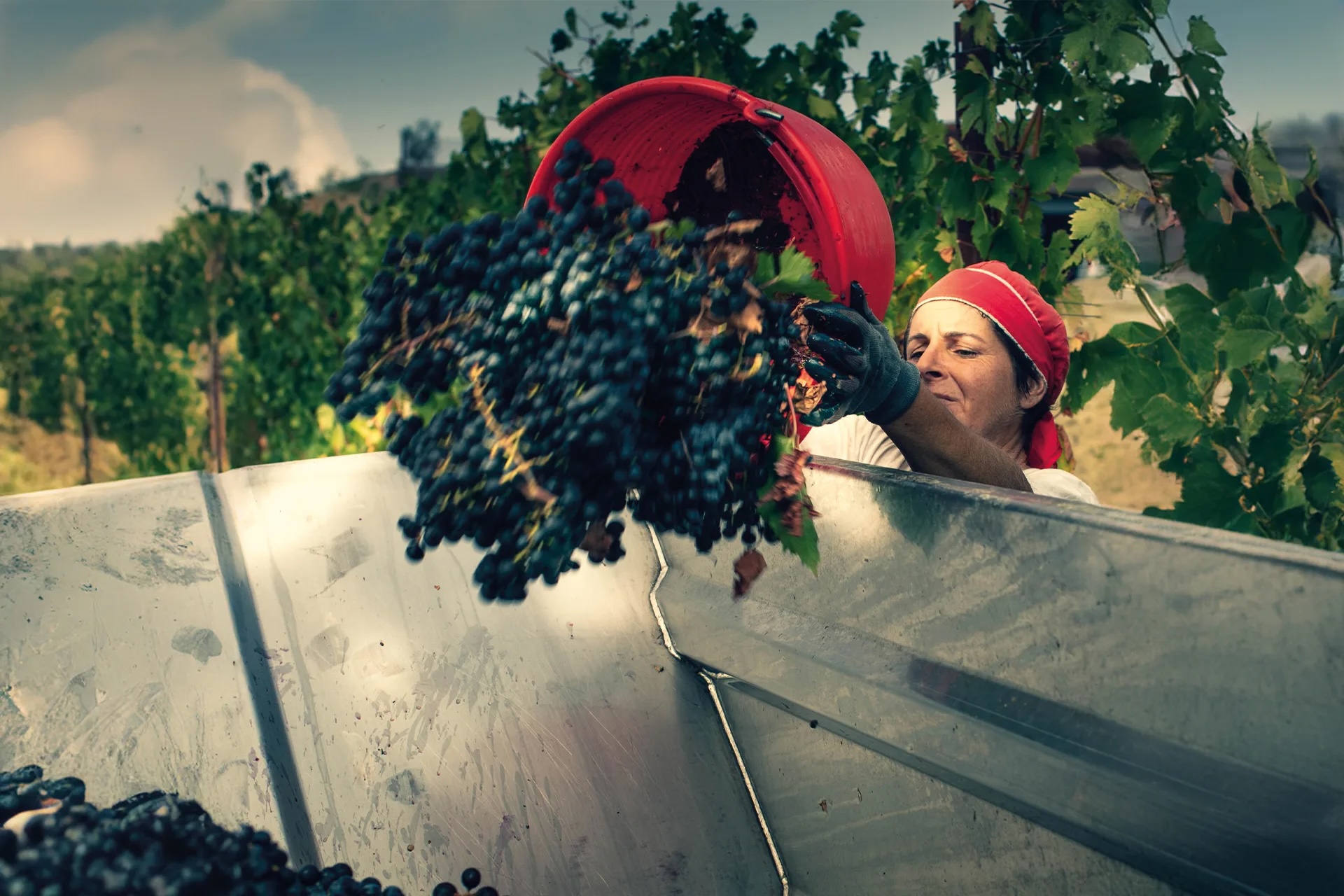
Indigenous to the area around Morro d’Alba in the Marche, this distinctive red grape has a long history – arriving in the region long before the more famous Verdicchio. Frederick I Barbarossa is said to have acquired a taste for Lacrima wines while laying siege to Ancona in 1167. The grape was once planted beyond the borders of the Marche, in Tuscany, Emilia-Romagna and Puglia, but it fell from favour. Its name means “teardrop” – hinting at the challenges of farming the grape. Lacrima has very thin skins, easily pierced or broken, tending to weep its precious juice, which in turn means the variety is susceptible to disease.
“It’s a very difficult beast,” Matteo Acmè of Filodivino tells me, explaining how it also flowers early and ripens late, at risk of both spring frost and late season rains. Combine this with the economic challenges of the late 19th century and it’s easy to see why producers replaced Lacrima with less temperamental and higher-yielding vines.
Lacrima, however, is a unique variety. It is related to Muscat – and, like that grape, produces wines that are deliciously perfumed. Think floral aromas of rose, violet and Turkish delight alongside spicy white pepper, combined with a palate that offers vivid bramble fruit and plenty of structure. Recognising its rarity, a handful of winegrowers started to champion the grape and the variety was officially recognised with the creation of the Lacrima di Morro d’Alba DOC in 1985, legally protecting it. Since then, plantings have expanded and there are now over 300 hectares of the grape across the region, with an association of around 20 producers committed to championing the wines.
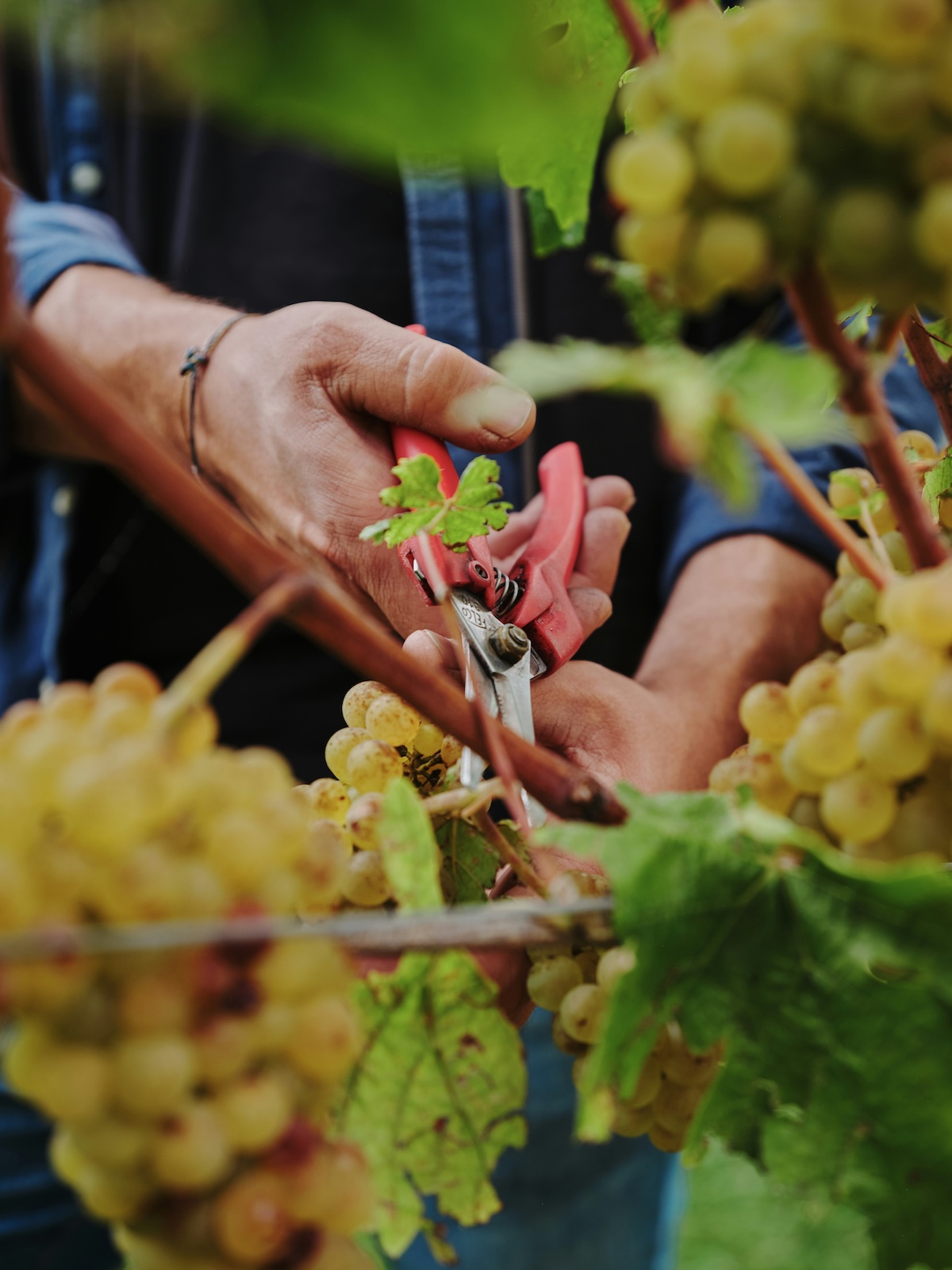
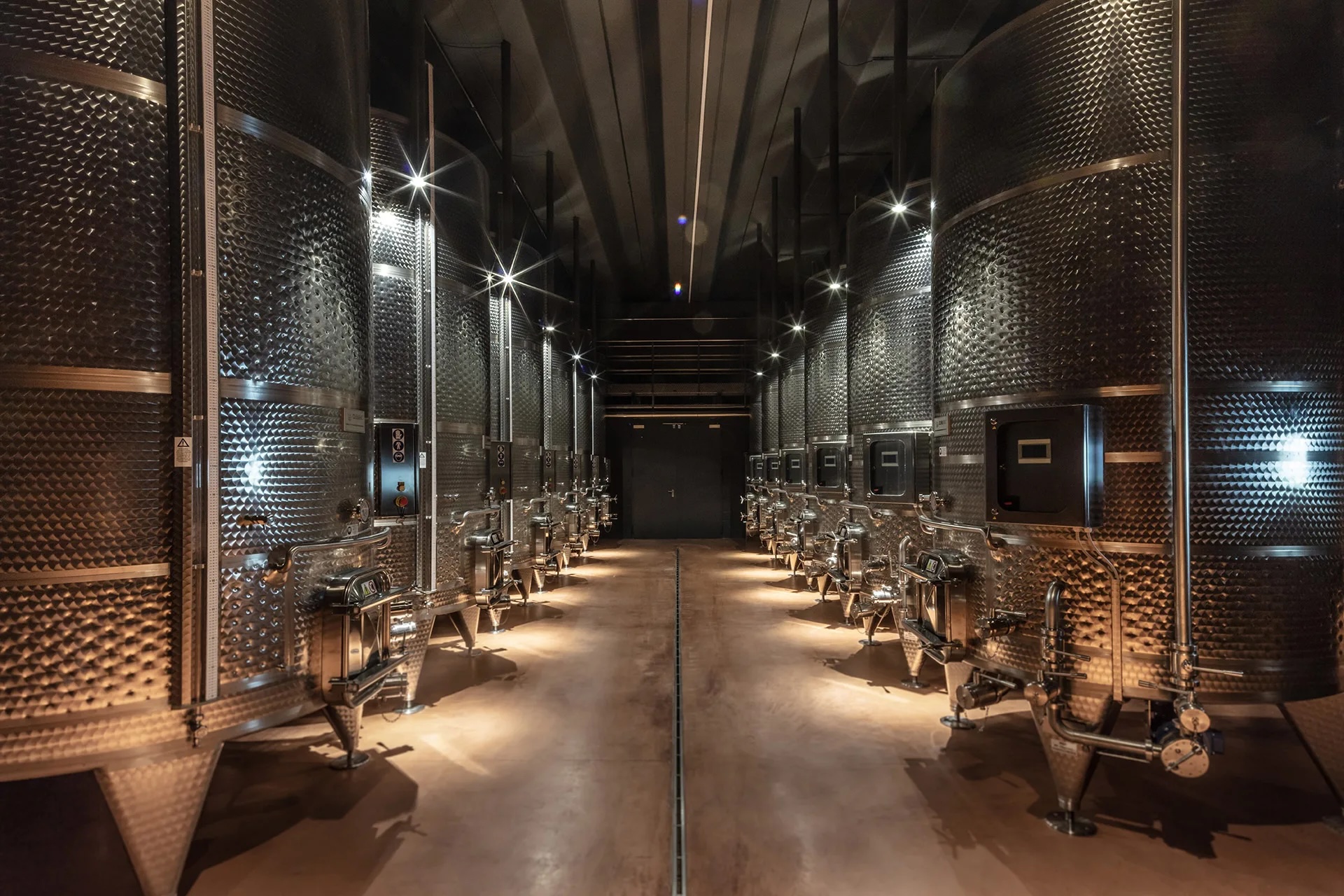
When Alberto Gandolfi established Filodivino in 2013, there wasn’t any Lacrima planted on the estate – but he soon sought out a vineyard nearby that he leased and later purchased, planting an additional swathe of vines near the winery in 2015. Today the team at Filodivino makes two still red wines from Lacrima, as well as a pét-nat and rosé. They’re even experimenting with a traditional-method sparkling wine, made in the same way as Champagne.
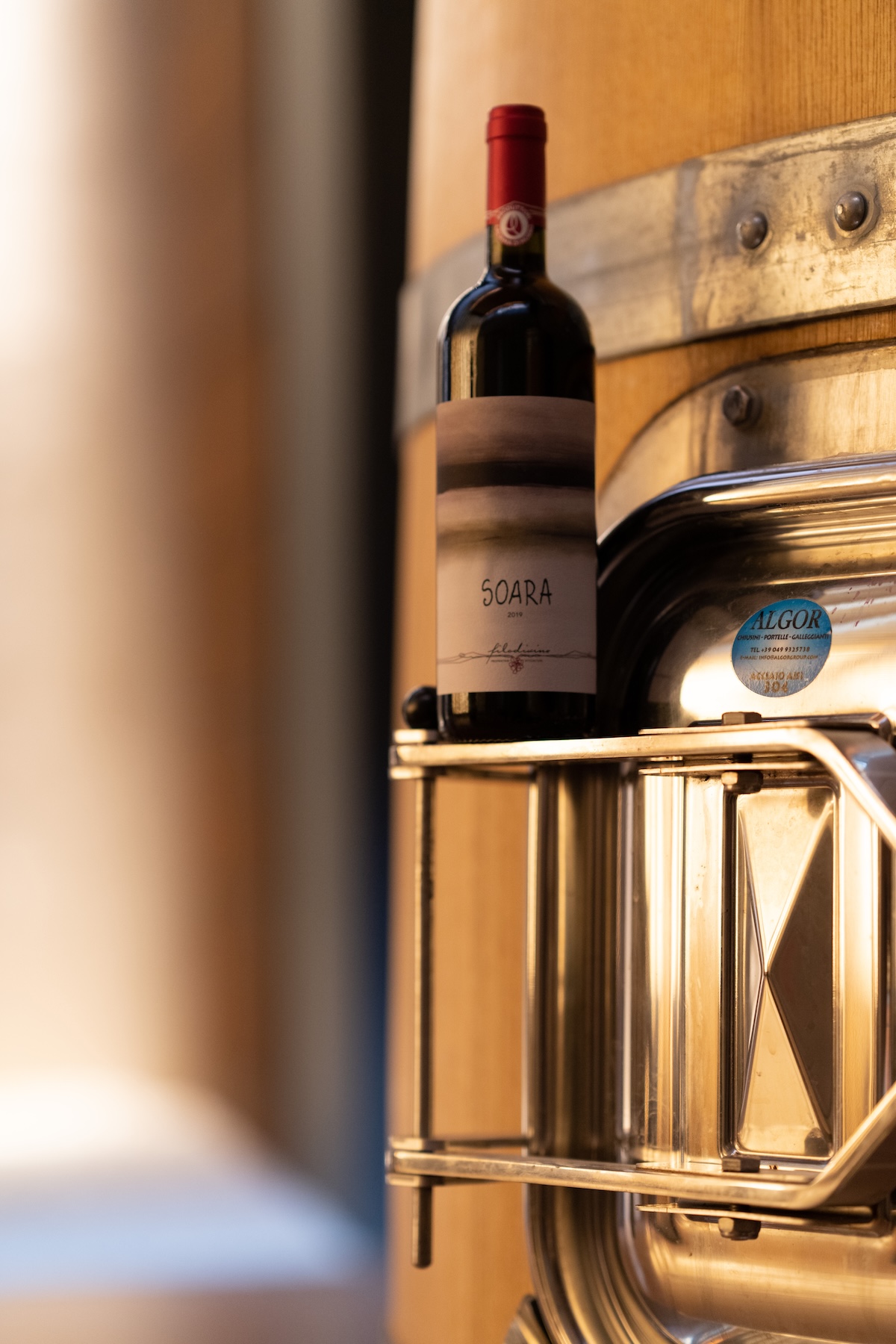
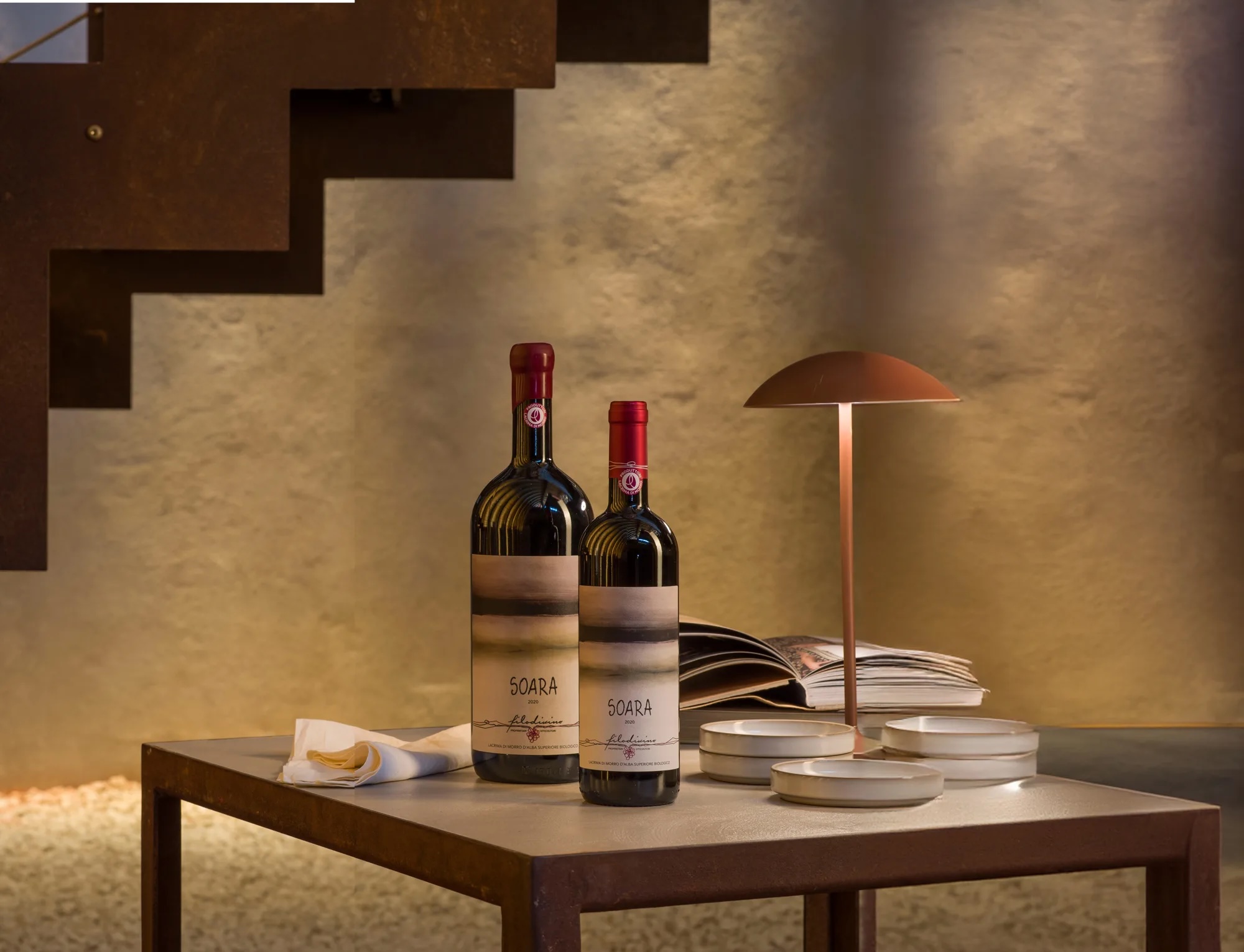
Although legally Lacrima di Morro d’Alba can be sold as early as the December after harvest, a little like Beaujolais Nouveau, and historically has been treated as an earlier-drinking style, the team at Filodivino disagrees. “We believe it has huge potential for ageing,” Matteo Acmè tells me firmly. Tasting the winery’s two still renditions of Lacrima, Diana and Soara, it’s easy to see why – the wines entice with their charming aromatics, but the palates offer refined but firm, chalky tannins, tart acidity and plenty of fruit – in short, everything that is needed to allow them to age.
Thanks to the work of local producers like Filodivino, Lacrima has been preserved for the future – offering one more reason to visit this beautiful corner of Italy.
John Voigtmann of legend, La Bandita Townhouse in Pienza picks out his favourite Tuscan wineries from the Val d'Orcia: Brunello to Chianti Classico, his buddy vineyards to explore in Italy.
read more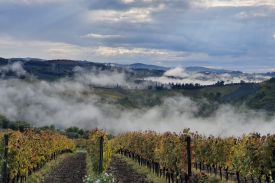
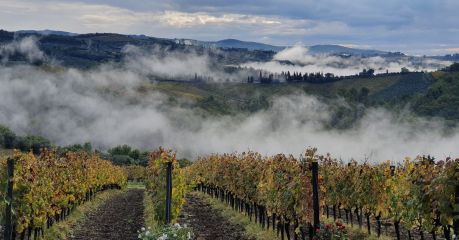
Fabio Firli, owner of the fabulous Follonico, reveals his favourite four wine producers in Tuscany close to his sweet little guesthouse - Uccelliera, Podere Le Ripi, Capitoni Marco and Talosa from Montepulciano.
read more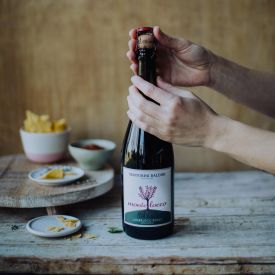
Eight varieties, one maligned region and a generation of producers quietly making the case. Lambrusco is no longer the 1980s punchline. It never deserved to be.
read more
Crisp Verdicchio from the Adriatic hills. Aromatic Lacrima from Morro d'Alba. A sparkling red wine mentioned by Dante. Le Marche is Italy's most rewarding wine region and almost nobody knows it yet.
read more
Raphael was born here. Wolves still roam here. The wine will make you rearrange your entire sense of what Italy is. Le Marche: undiscovered, unapologetic, and frankly overdue your full attention.
read more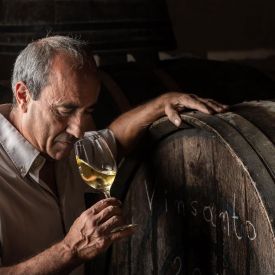

Discover the four best Santorini winemakers on the volcanic Cyclades island's vineyards: Argyros, Gavalas, Venetsanos and Hatzidakis from vinsantos to Assyrtiko.
read more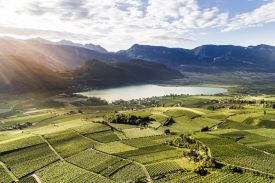
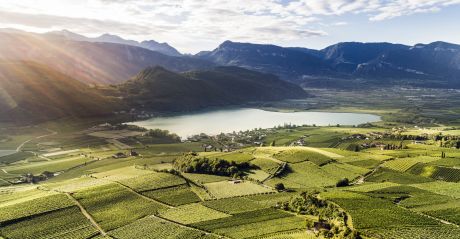
Looking for the most interesting wine producers around Lake Caldaro/Kaltern am See, we asked local hotelier Verena Huf of Das Wanda for her top three wine neighbours in Alto Adige.
read more
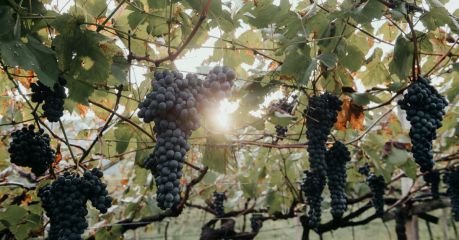
Discover the wineries of Lake Garda, Lago di Garda, in Trentino, Northern Italian wine tour: Veneto Giuseppe Quintarelli, the bros, Girelli of Montonale, and Cantrina.
read more
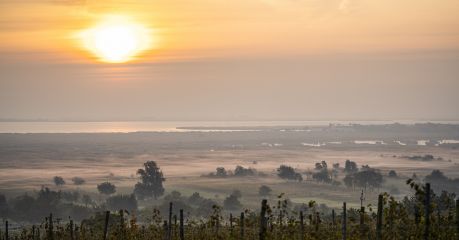
Pannonian wines carry the culture of the unique Burgenland climate, the long sunny summer and the ever so cold winters, sandwiched between the alpine foothills and the shores of Lake Neusiedl.
read more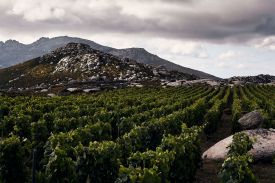
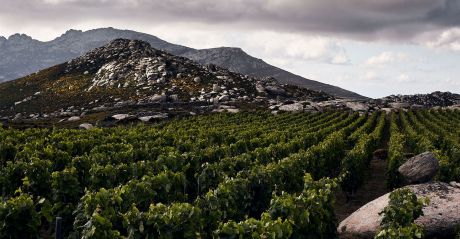
Three distinctive vineyards on the wild Greek island of Tinos produce bold natural wines from the harsh, mineral-rich, wind-sweept lands in the Cyclades. Meet three heroes: Gerard Margeon of T-oinos, Domaine de Kalathas by vigneron Jérôme Binda and Volacus Wines.
read more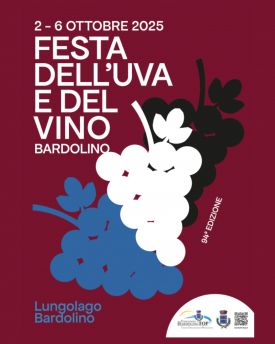

The Bardolino Wine Festival, or Festa Dell’Uva to locals, is found on the eastern shore of Italy’s beautiful Lake Garda, and is truly an oenophile’s dream, enjoying cult status in the wine world.
read more
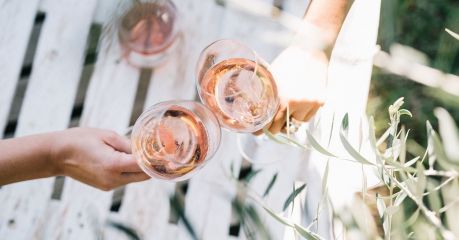
The first organic certified vineyard in Emilia-Romagna with 130-hectares of land cradled between Parma and Reggio Emilia. The hilly area, ideal microclimate and verdant encircling forest was deemed the perfect spot for growing grapes.
read more
Get the insider news and lowdown on what we've been up to, where we've been, and who we've met along the way. Be the first to discover new places and get the scoop on our favourites.