JOIN the AFICIONADOS
Get the insider news and lowdown on what we've been up to, where we've been, and who we've met along the way. Be the first to discover new places and get the scoop on our favourites.

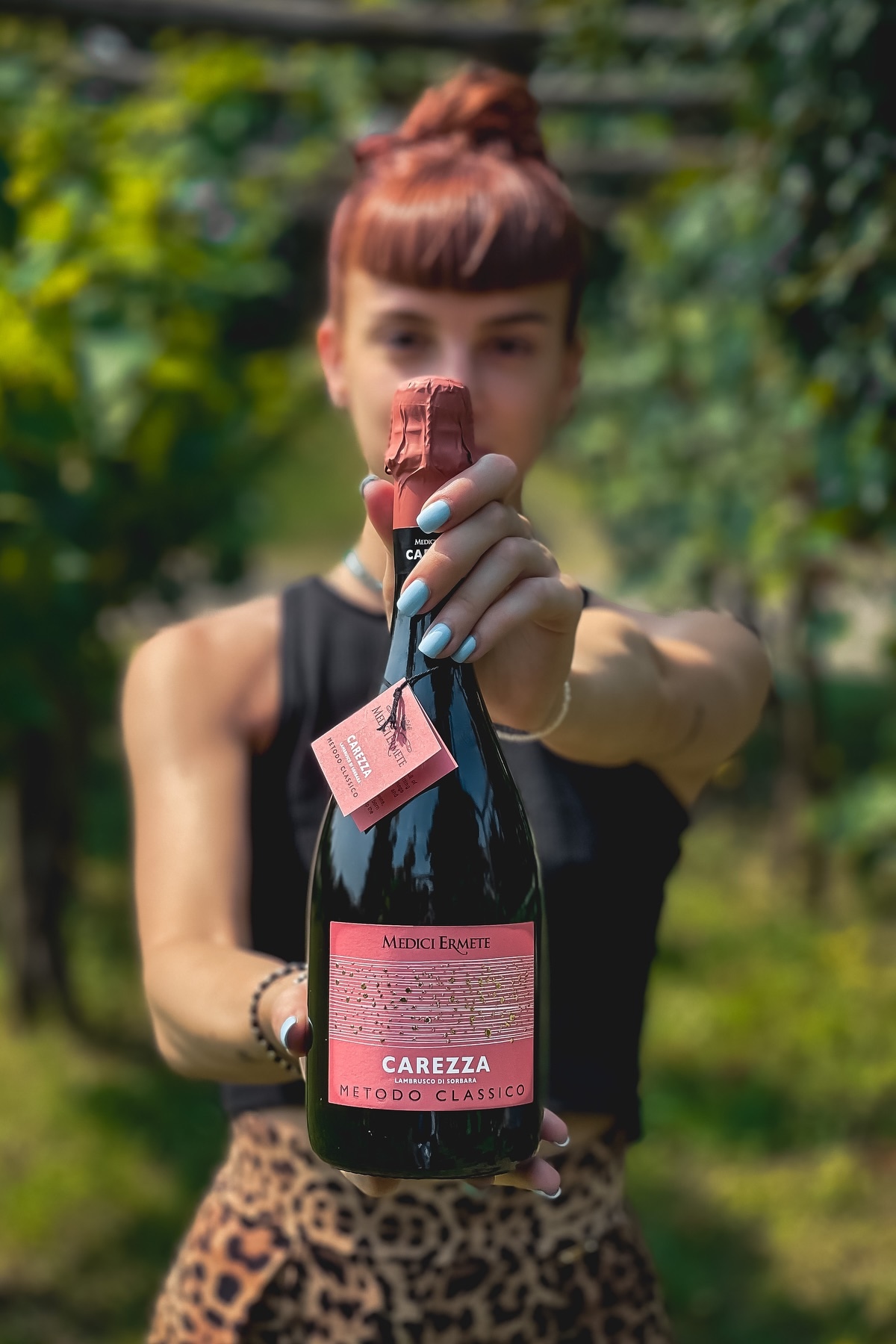
If you are aware of Lambrusco, it may not be for a good reason. In the 1980s, all too many overly simple, sickly sparkling reds made their way out of Emilia-Romagna and landed on the UK’s shelves. Like the cheap and rustic fiascos from Chianti, oh how those wines ruined Italy’s vinous reputation for a whole generation. Put any such thoughts out of your mind, however, for today, a host of smaller producers is crafting serious site-driven wines and redefining the style of Lambrusco.
Lambrusco is the name of the grape – in fact a group of grapes, with at least eight closely related but different Lambrusco varieties found across Emilia-Romagna. By far the most widely planted of the Lambrusco siblings is Lambrusco Salamino, but Lambrusco Grasparossa and Lambrusco di Sorbara are also well known. Each of these genetic twists of Lambrusco offers its own slightly different profile, often tied to a specific area of the region, and style of wine – with their own distinct appellations. For example, Lambrusco di Sorbara tends to be lighter, dry and fresh in style, while Lambrusco Salamino di Santa Croce combines floral scents with riper fruit and a dusty tannic grip. Lambrusco Grasparossa di Castelvetro is notably rich and full, with firmer tannins, and often a little more residual sugar.
The wine can be made in a range of ways. The vast majority is tank-fermented, as for Prosecco, but many quality-focused producers are using the Champagne method, or ancestral method (as for pét-nat), meaning the second fermentation that produces the bubbles takes place in the bottle. This method produces additional layers of flavour, and leaving the wine to rest on its lees (the dead yeast cells) will develop further complexity. At Cantina della Volta, for example, one of the top wines spends over seven years on lees (that’s more than twice the legal minimum for vintage Champagne). For modest wines, this effort and investment once seemed foolish – but that is slowly changing.
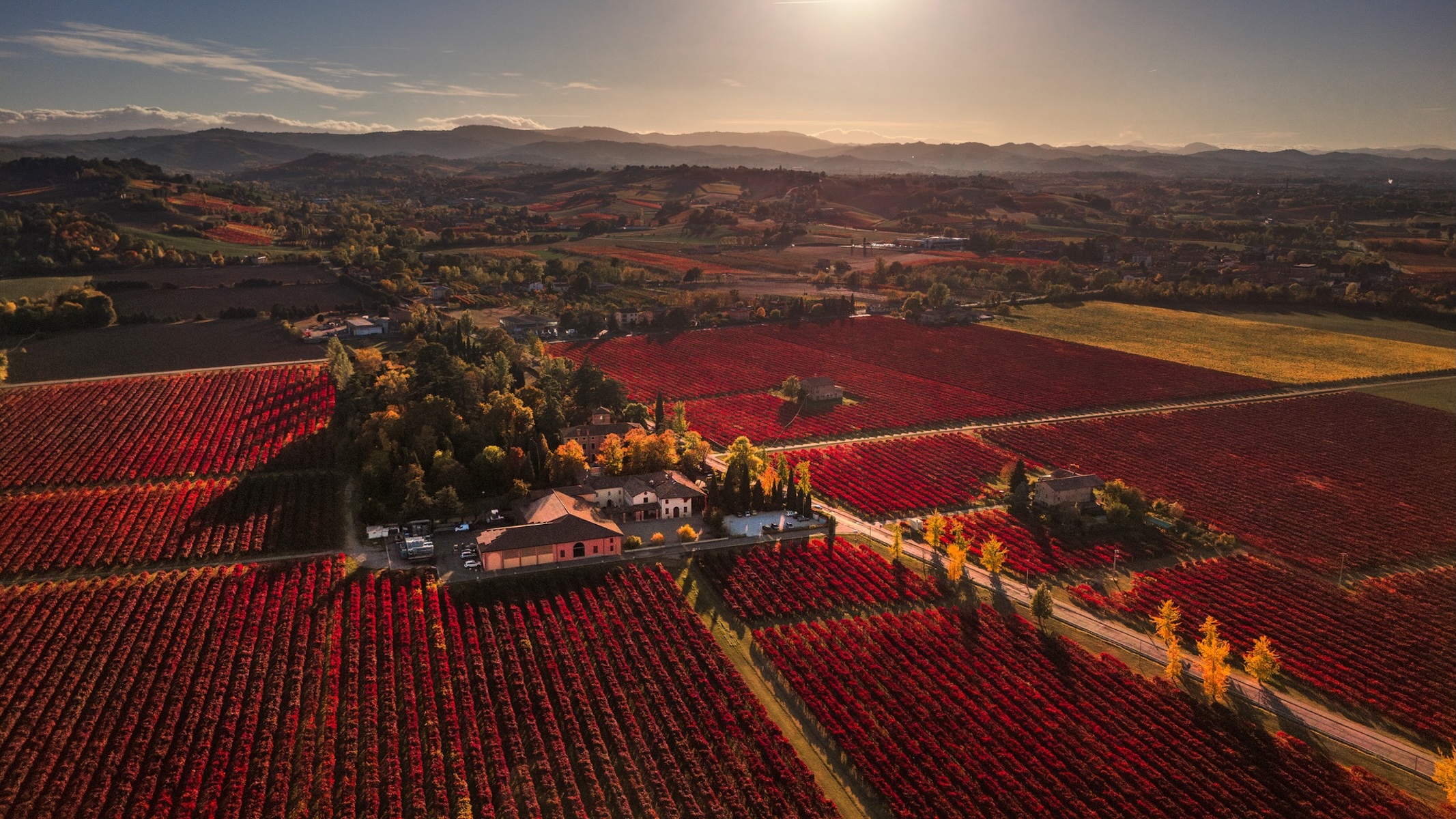
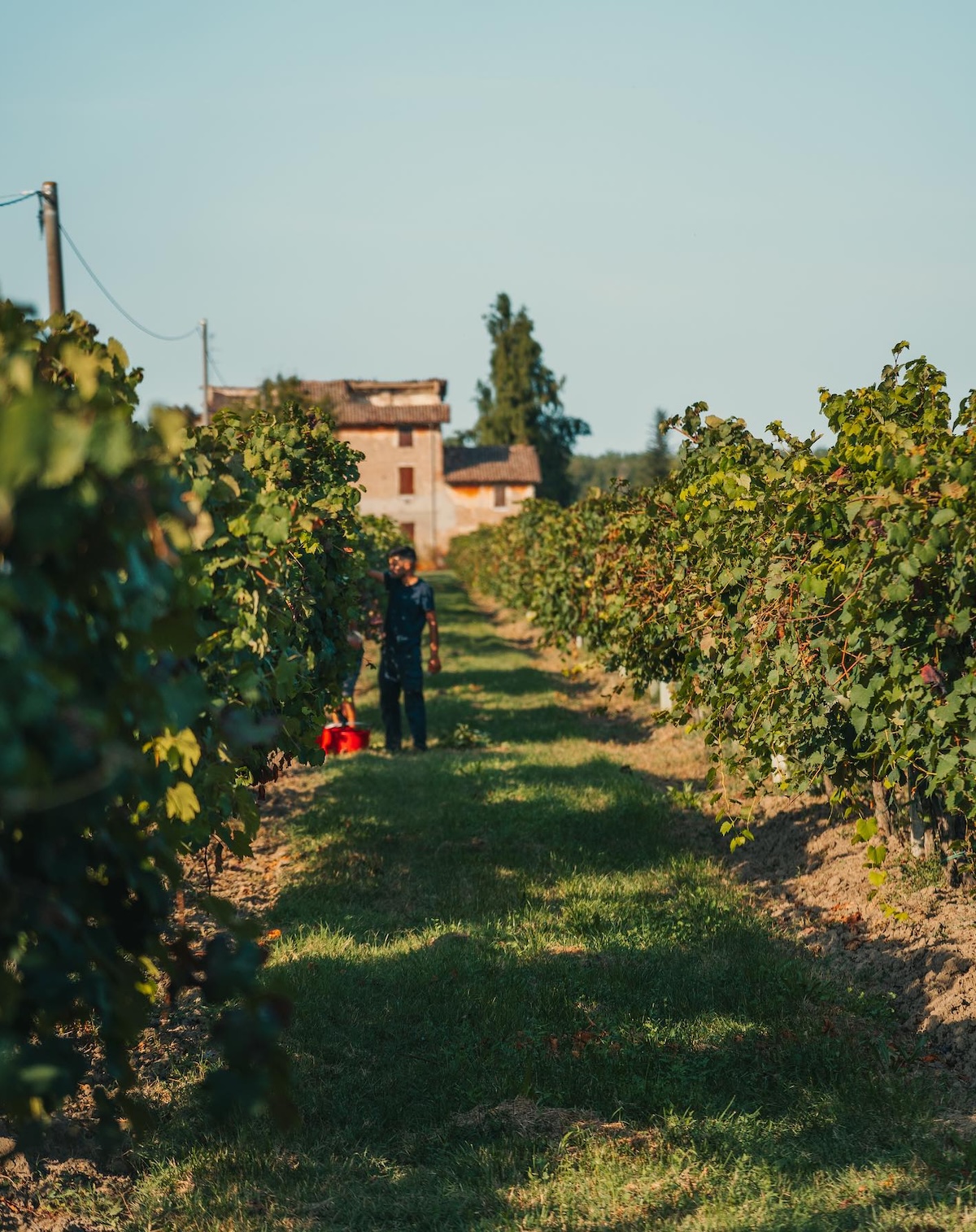
Most importantly, the new wave of Lambrusco producers is focusing on the vineyard – working to produce the finest fruit that can then translate to the finest wine in the bottle. The attention to detail is higher than ever before, with winemakers crafting wines of balance and freshness, with much lower sugar levels than were once the norm. Forget rustic sweet red fizz, these modern wines are often paler in colour, sometimes even made as a white (as for Blanc de Noirs Champagne). They are elegant, bright and deserve to be thought of as serious sparkling wines.
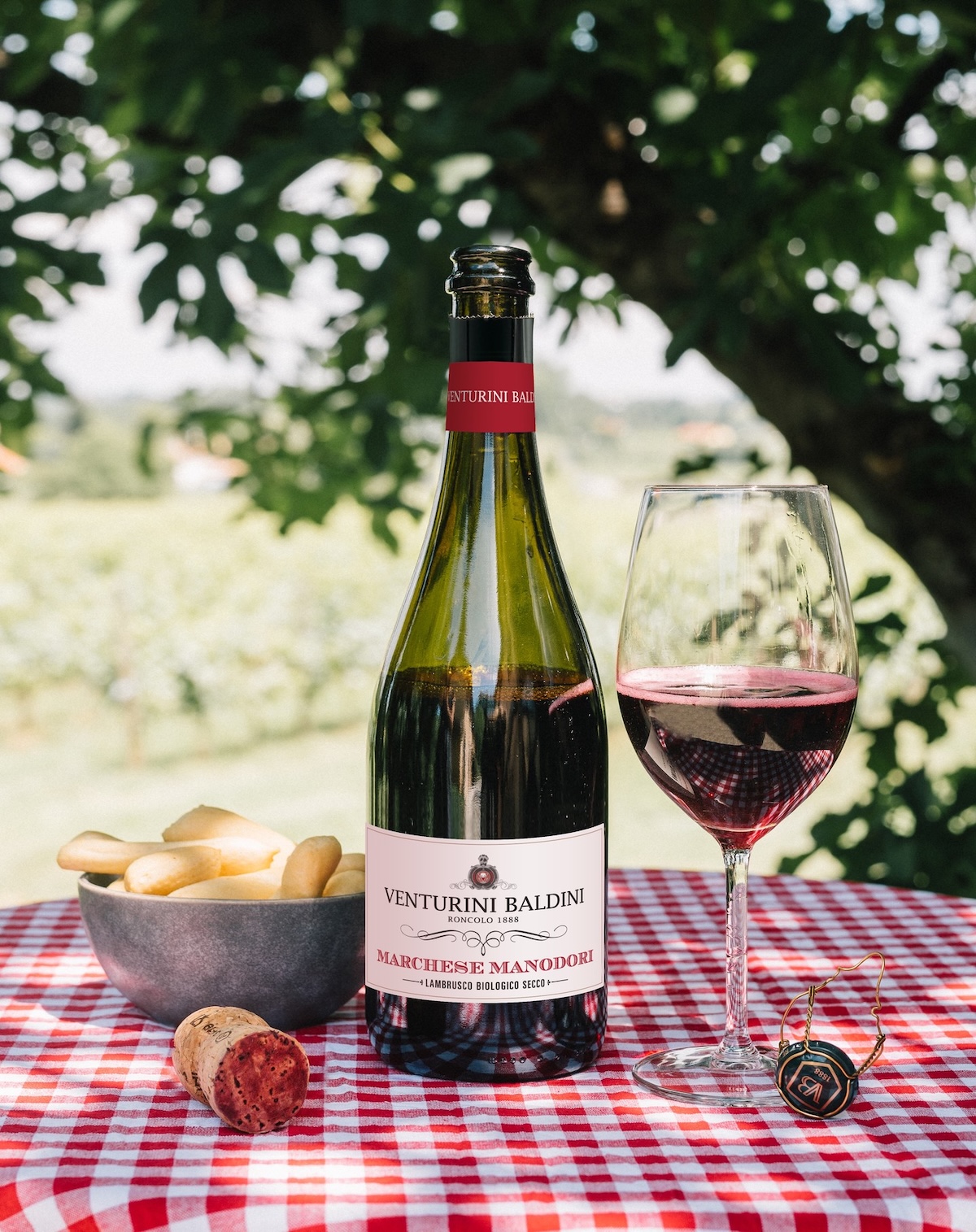
From vibrant whites and rosés to perfumed and even powerful reds, Lambrusco now runs the full gamut in style – but they can all be delicious. The typically light and juicy sparkling red remains the standard-bearer for the region, and the best combine floral perfume with juicy cherry fruit, bright acidity and a touch of sweetness. Often delicious alone, they are also the ideal partner for the local food, cutting through its richness – from chunks of aged Parmigiano-Reggiano with its salty crystals and classic prosciutto di Parma to cotechino and lentils or gnocco fritto. To get a taste of the style at its best, look out for wines from the likes of Medici Ermete, Paltrinieri, Cleto Chiarli, Fattoria Moretto, Venturini Baldini, Cantina della Volta and more.
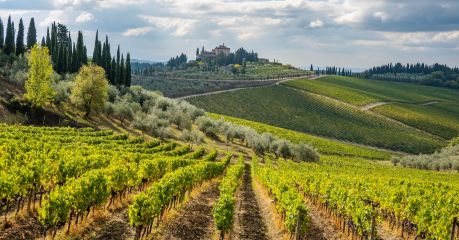
John Voigtmann of legend, La Bandita Townhouse in Pienza picks out his favourite Tuscan wineries from the Val d'Orcia: Brunello to Chianti Classico, his buddy vineyards to explore in Italy.
read more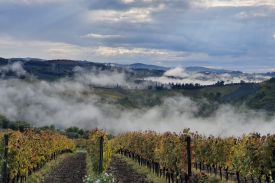
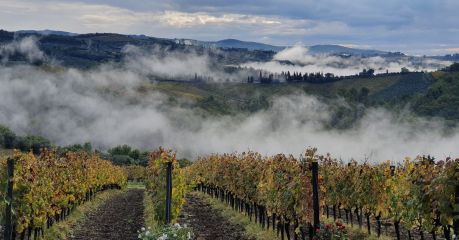
Fabio Firli, owner of the fabulous Follonico, reveals his favourite four wine producers in Tuscany close to his sweet little guesthouse - Uccelliera, Podere Le Ripi, Capitoni Marco and Talosa from Montepulciano.
read more
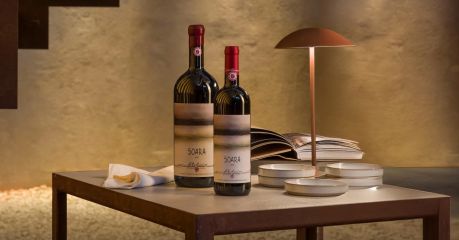
Crisp Verdicchio from the Adriatic hills. Aromatic Lacrima from Morro d'Alba. A sparkling red wine mentioned by Dante. Le Marche is Italy's most rewarding wine region and almost nobody knows it yet.
read more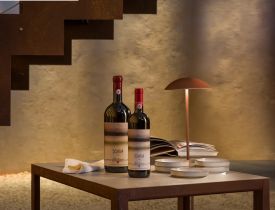
Violet. Rose. Turkish delight. Bramble fruit. Chalky tannins. Lacrima di Morro d'Alba is unlike any Italian red you have tried before. We meet the producers bringing it back from near extinction.
read more
Raphael was born here. Wolves still roam here. The wine will make you rearrange your entire sense of what Italy is. Le Marche: undiscovered, unapologetic, and frankly overdue your full attention.
read more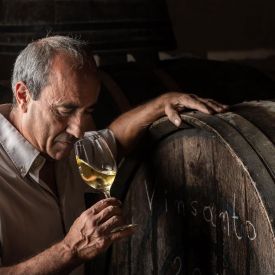

Discover the four best Santorini winemakers on the volcanic Cyclades island's vineyards: Argyros, Gavalas, Venetsanos and Hatzidakis from vinsantos to Assyrtiko.
read more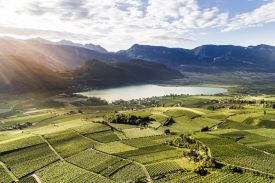
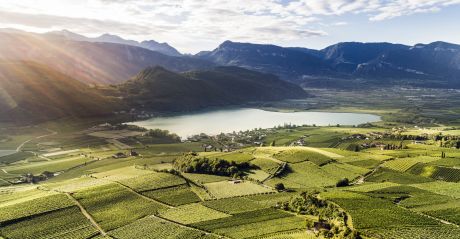
Looking for the most interesting wine producers around Lake Caldaro/Kaltern am See, we asked local hotelier Verena Huf of Das Wanda for her top three wine neighbours in Alto Adige.
read more
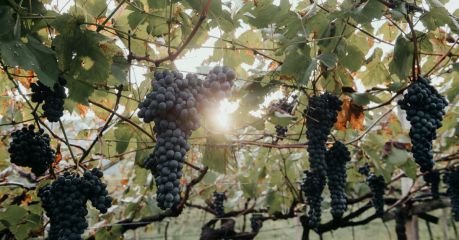
Discover the wineries of Lake Garda, Lago di Garda, in Trentino, Northern Italian wine tour: Veneto Giuseppe Quintarelli, the bros, Girelli of Montonale, and Cantrina.
read more
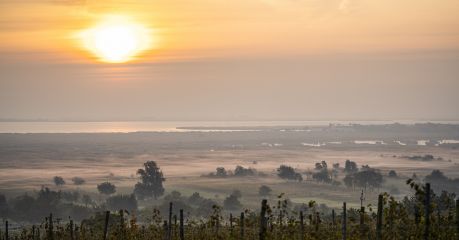
Pannonian wines carry the culture of the unique Burgenland climate, the long sunny summer and the ever so cold winters, sandwiched between the alpine foothills and the shores of Lake Neusiedl.
read more
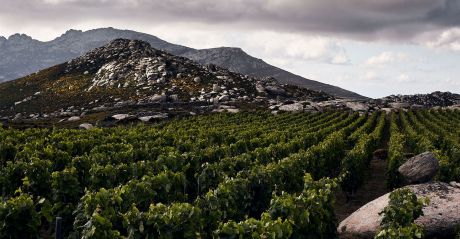
Three distinctive vineyards on the wild Greek island of Tinos produce bold natural wines from the harsh, mineral-rich, wind-sweept lands in the Cyclades. Meet three heroes: Gerard Margeon of T-oinos, Domaine de Kalathas by vigneron Jérôme Binda and Volacus Wines.
read more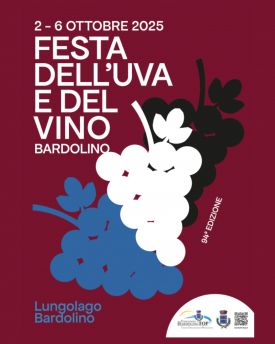
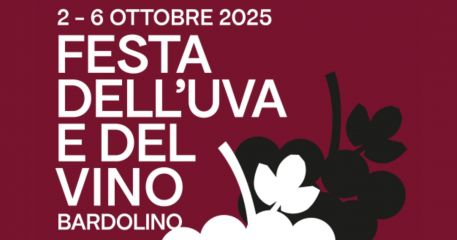
The Bardolino Wine Festival, or Festa Dell’Uva to locals, is found on the eastern shore of Italy’s beautiful Lake Garda, and is truly an oenophile’s dream, enjoying cult status in the wine world.
read more
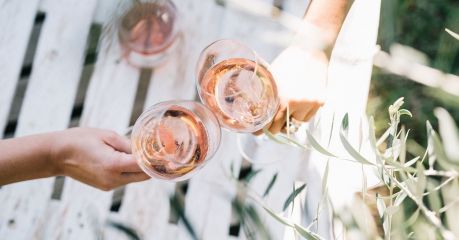
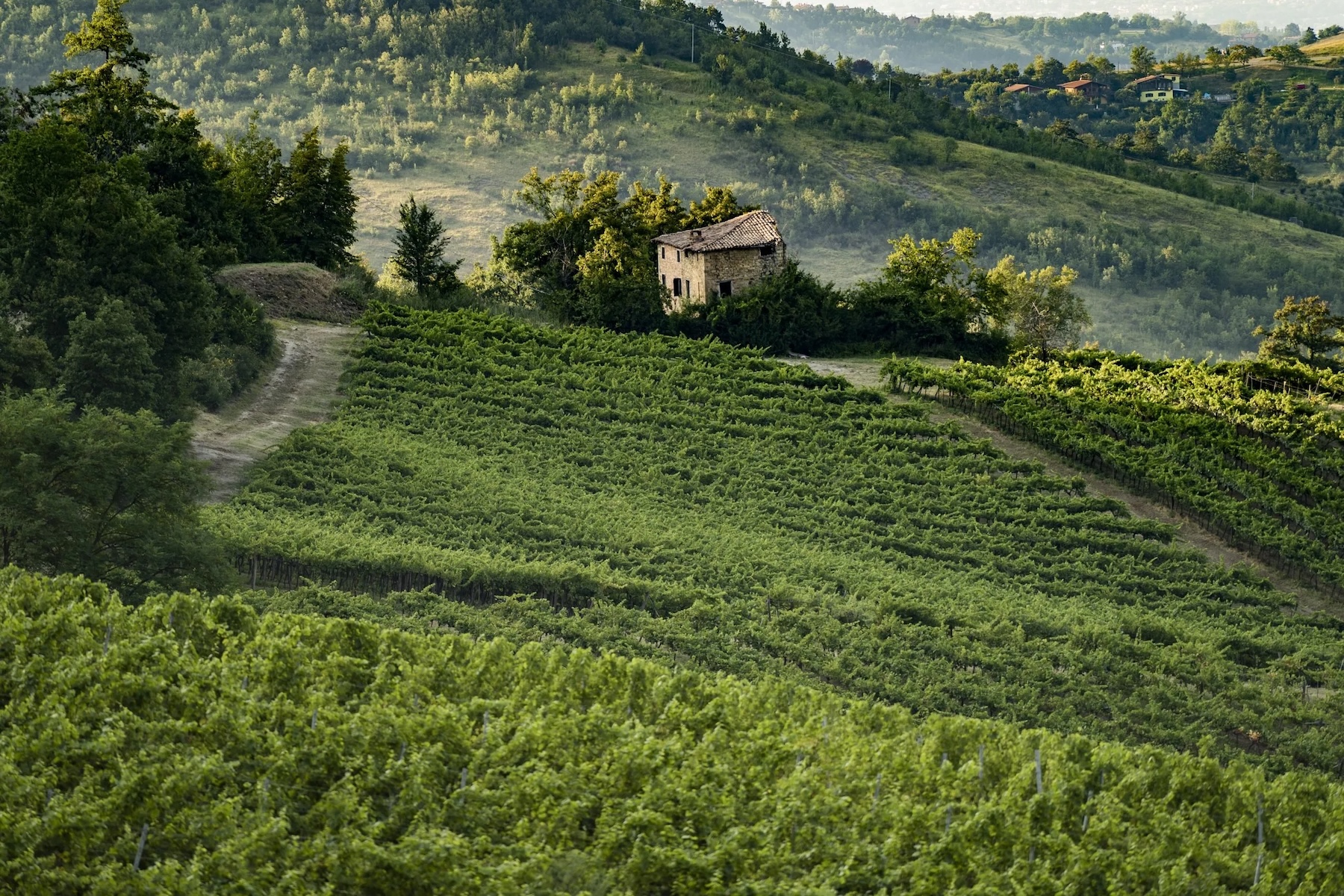
The first organic certified vineyard in Emilia-Romagna with 130-hectares of land cradled between Parma and Reggio Emilia. The hilly area, ideal microclimate and verdant encircling forest was deemed the perfect spot for growing grapes.
read more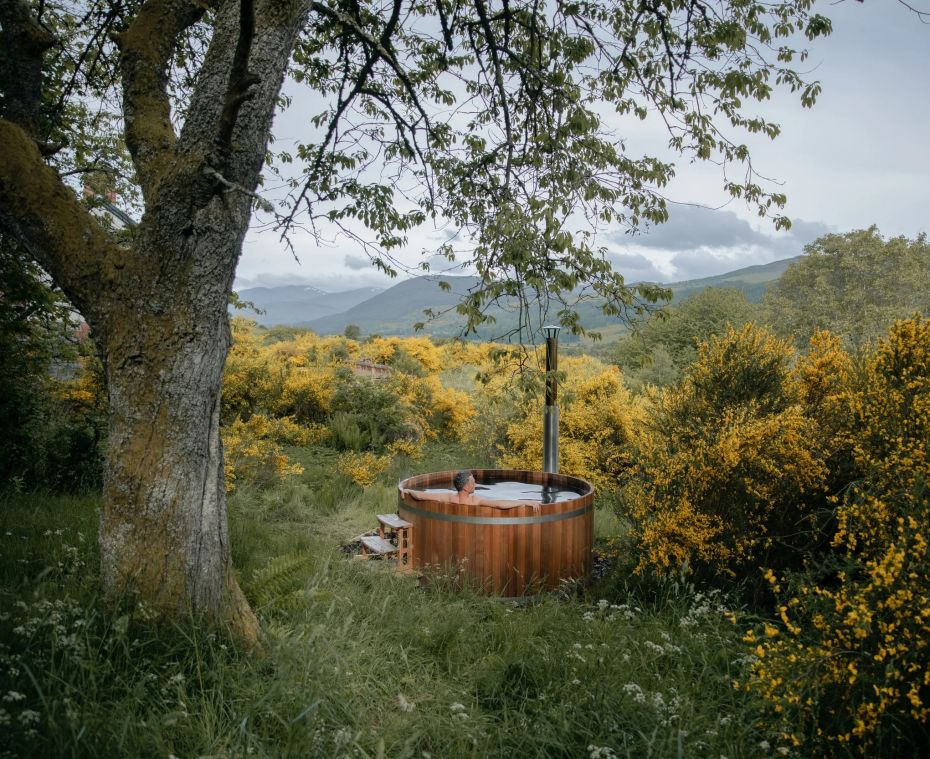
Get the insider news and lowdown on what we've been up to, where we've been, and who we've met along the way. Be the first to discover new places and get the scoop on our favourites.