JOIN the AFICIONADOS
Get the insider news and lowdown on what we've been up to, where we've been, and who we've met along the way. Be the first to discover new places and get the scoop on our favourites.

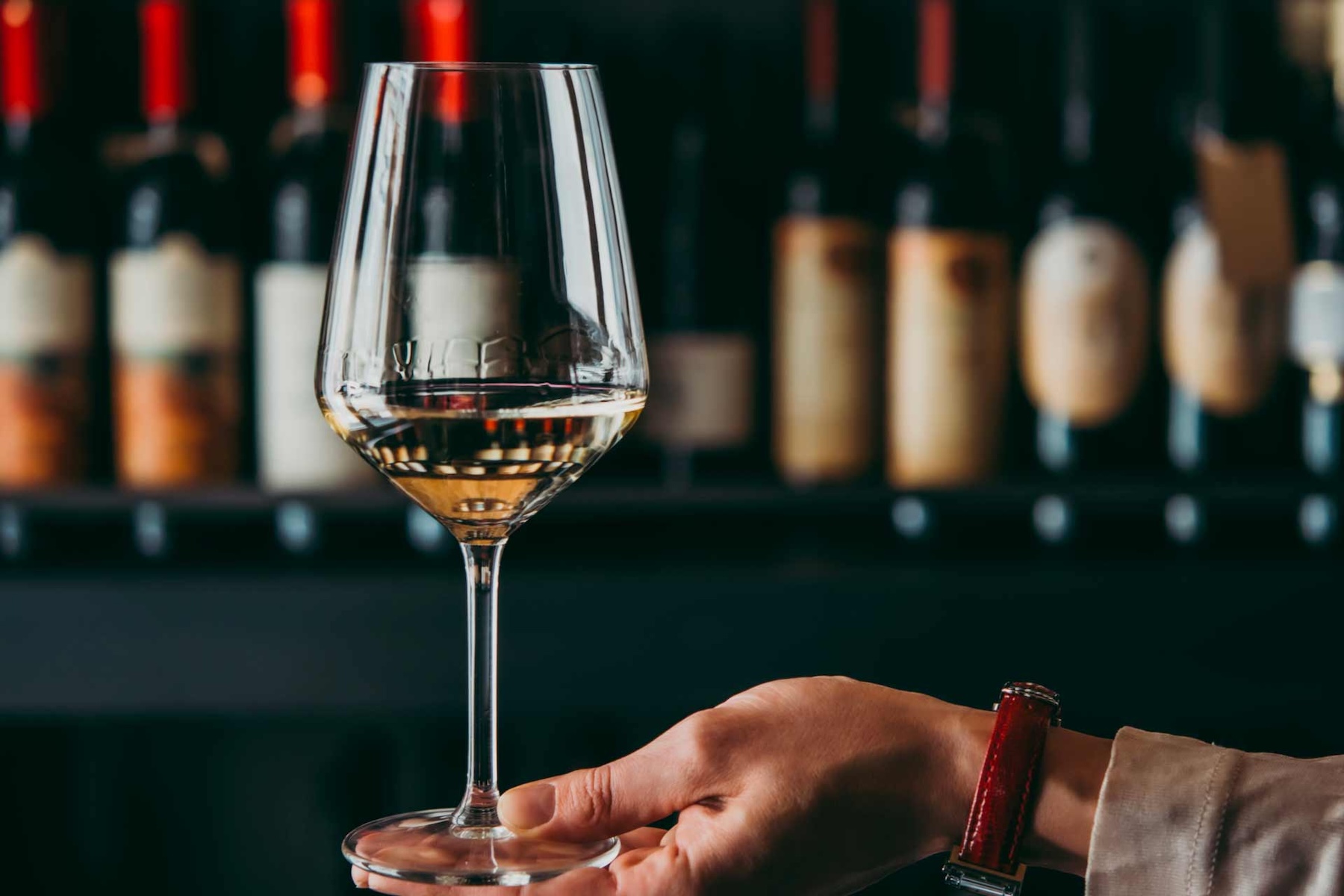
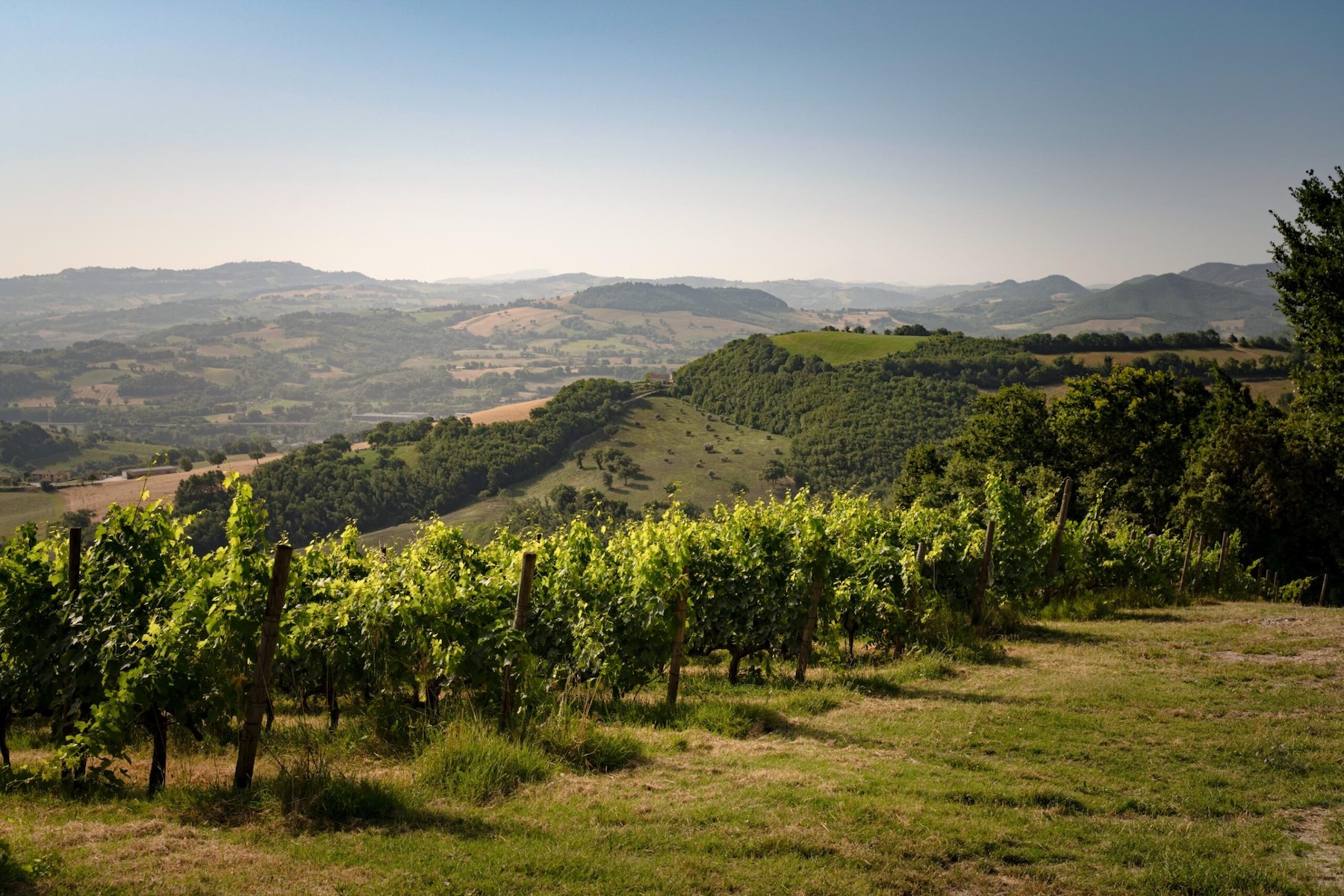
Le Marche, sandwiched between Abruzzo and Emilia-Romagna, runs from the rugged Adriatic coast to the Apennine mountains that form the spine of Italy’s boot. The varied terrain and climate, ranging from maritime on the coast to more continental further inland, from flatlands to the steep foothills of the Apennines, produce an equally varied range of wines. They may not be as well-known as the famous Brunello di Montalcino and Chianti of nearby Tuscany, but here you’ll find age-worthy whites, juicy reds and distinctive sparkling styles.
Verdicchio is the region’s trademark grape, with two areas in particular making the best examples of this vibrant white wine, Jesi and Matelica. The Verdicchio dei Castelli di Jesi DOC is the larger of the two appellations, with around 3,000 hectares under vine, on flatter land closer to the coast, in the province of Ancona. With the sea moderating the climate, the wines tend to have softer acidity, being a little sunnier and open in style. Verdicchio di Matelica DOC is a mere tenth of the size, with its vineyards sitting further inland in the hills around the town of Matelica. This more mountainous area produces a leaner style of wine, sometimes needing a little more time in bottle to reveal itself – with higher acidity and cooler-toned fruit, and often a firm, mineral character. Either one will go beautifully with whatever is fresh off the dayboat or the region’s hearty fish stew, brodetto di pesce.
The Marche’s reds are mostly made with the Montepulciano grape. Look out for Conero, a region south of Ancona that produces full-bodied styles with plum and cherry fruit, spicy complexity and firm tannins that allow them to age well – the best can rival the wines of Montepulciano d’Abruzzo. Further inland, you’ll find the wines of the Rosso Piceno DOC, most commonly blending the plummy richness of Montepulciano with the brighter acidity of Sangiovese. Generally softer in style than Conero, these juicy reds tend to be more approachable in youth. Both will work beautifully alongside the region’s trademark salami, ciauscolo, or local, decadent take on lasagne, vincisgrassi.
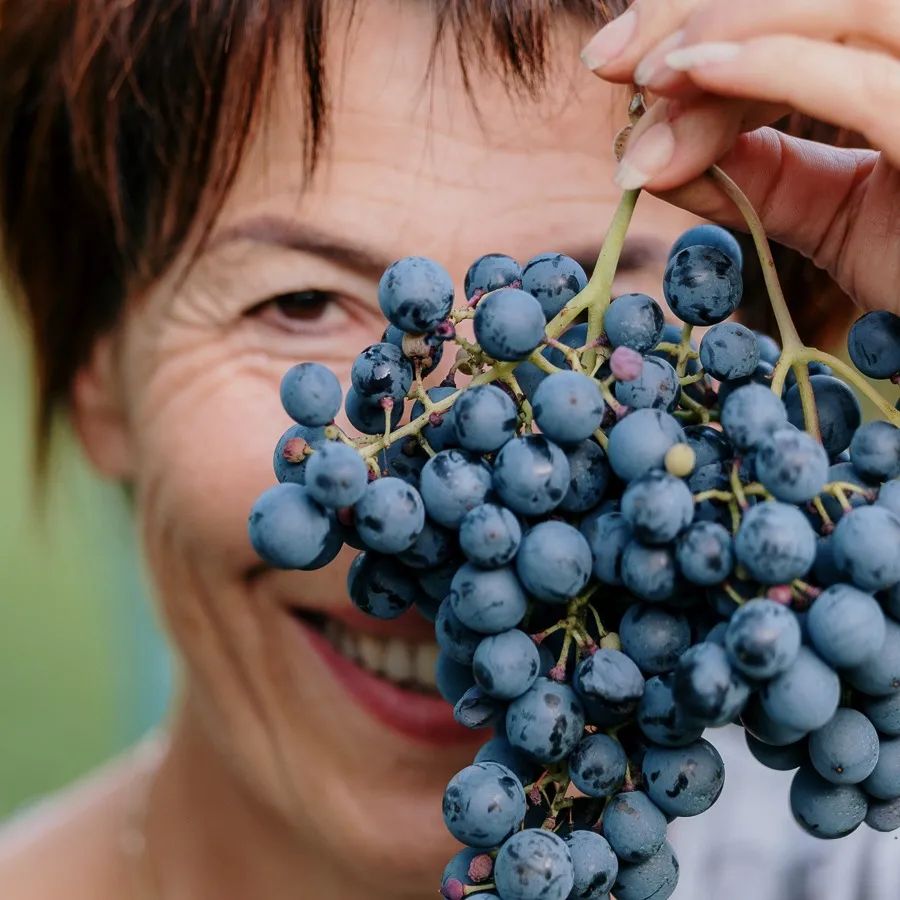
Keep an eye out for Lacrima di Morro d’Alba – a red wine that nearly disappeared but has seen a revival since the 1980s. Made in the vineyards around Morro d’Alba from the local Lacrima grape, these unusual reds are floral and aromatic, yet packed with fruit and structure on the palate.
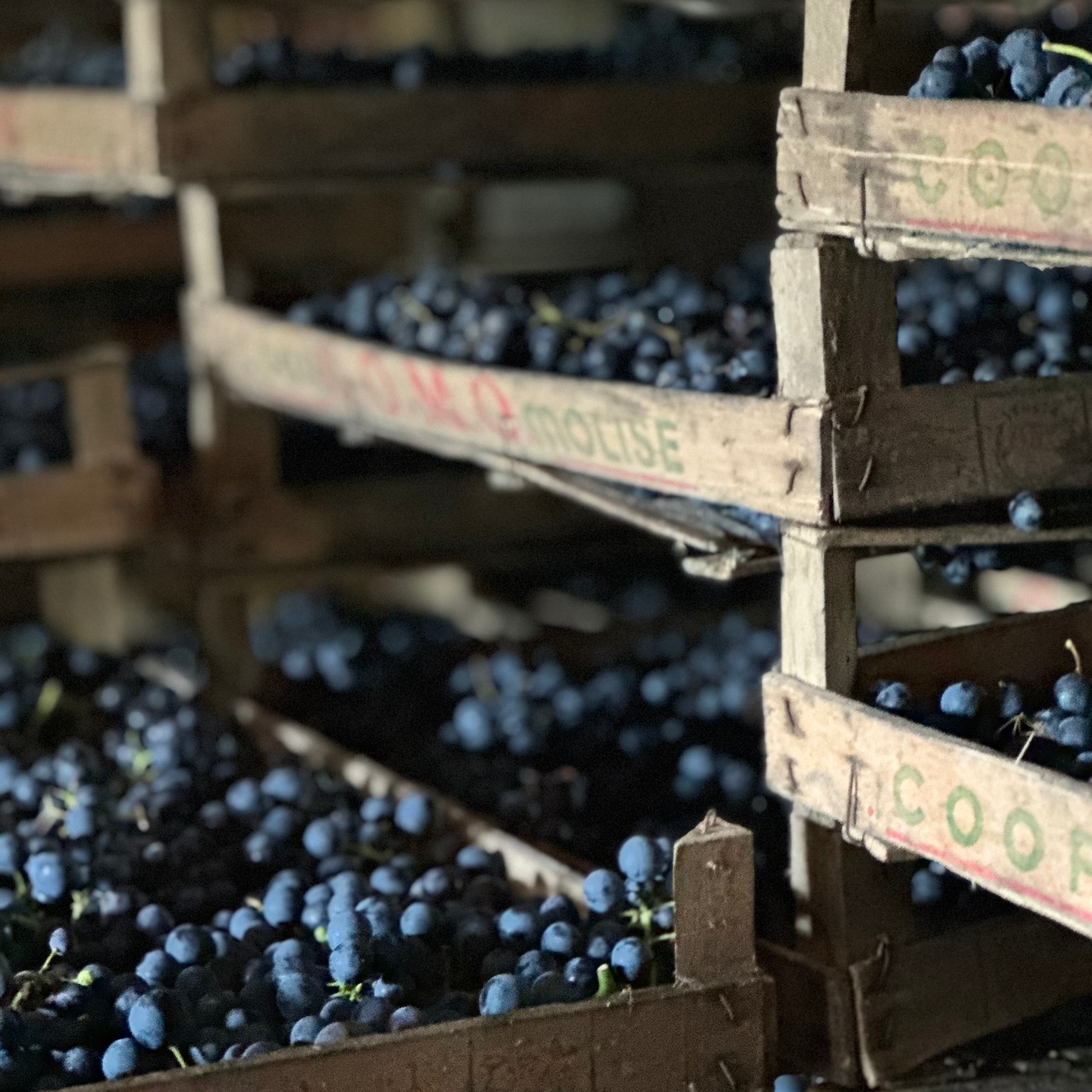
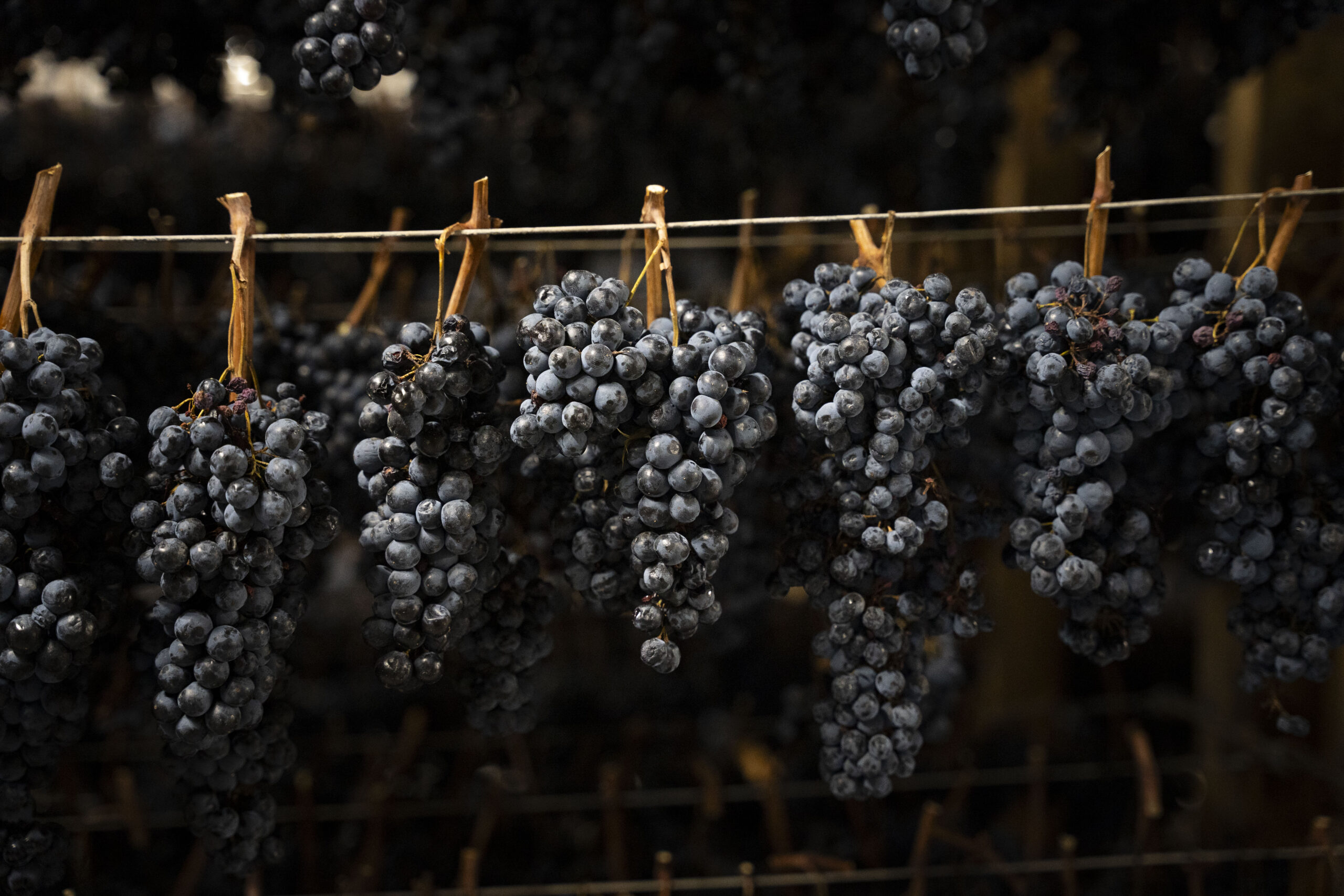
Another local curiosity is Vernaccia di Serrapetrona – a sparkling red wine made from Vernaccia Nera, which features in Dante’s Divine Comedy. With only around 20 hectares in production, this rare and unique style is made with partially dried grapes – a little like Amarone. The resulting wine combines spice with juicy red fruit and ranges from dry (secco) to sweet (dolce) in style. Visit the Alberto Quacquarini or Colleluce wineries to learn more about how it’s made and taste this distinctive fizz in situ.
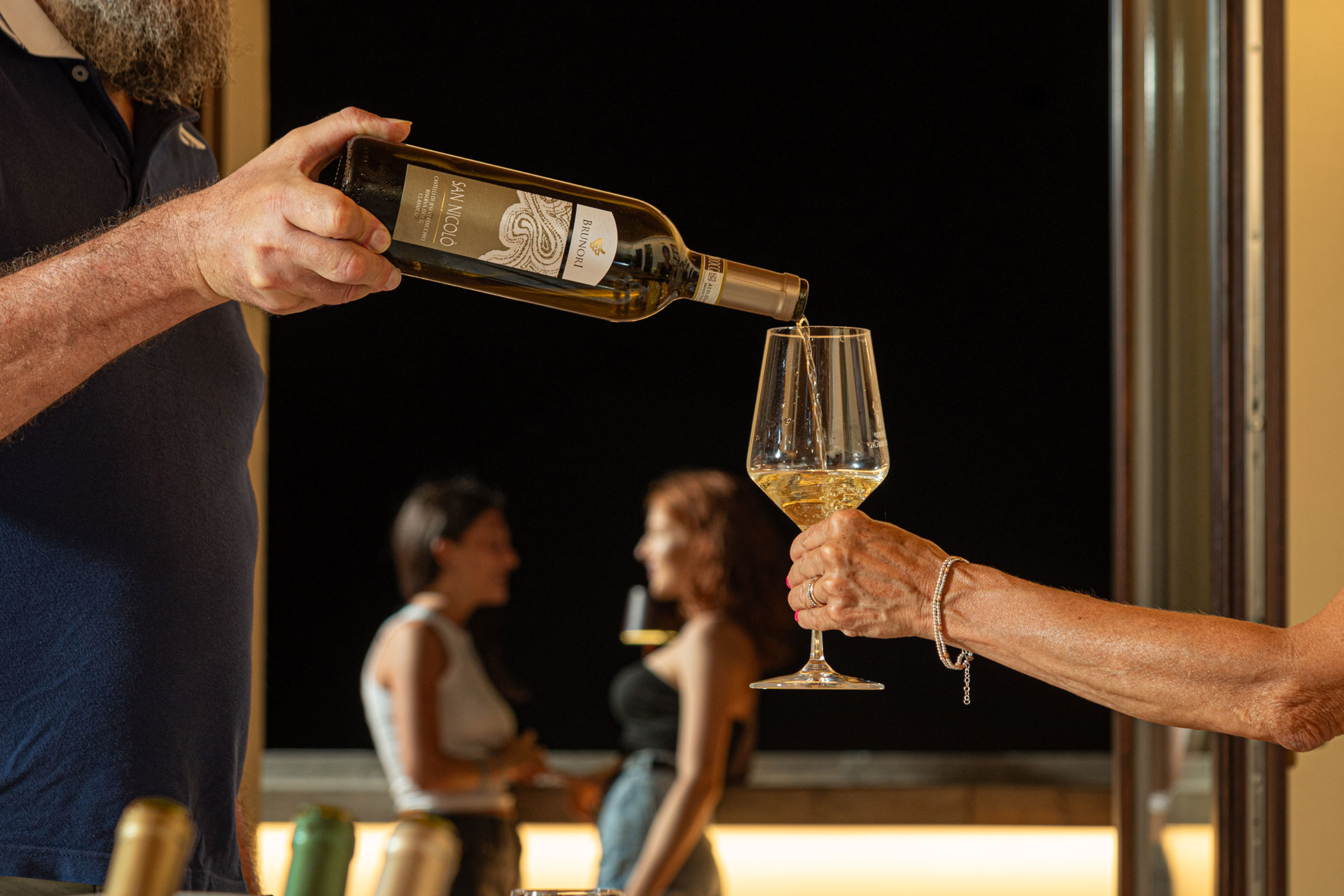
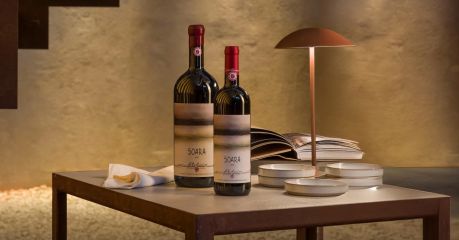
Stay at the beautiful Filodivino and the region’s wineries are all within a short drive. If you’re looking for places to drink or buy the wines to take home, add Enoteca Pasqualini in Ancona and Enoteca Brunori in Jesi to your itinerary. Look out for wines from producers such as Umani Ronchi, Garofoli, Villa Bucci, Le Terrazze, Sartarelli and Moroder, as well as – of course – Filodivino itself.
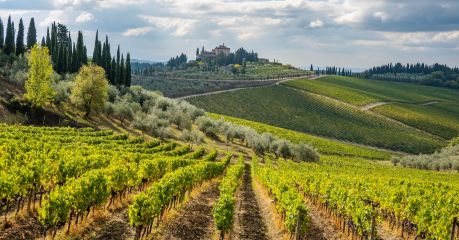
John Voigtmann of legend, La Bandita Townhouse in Pienza picks out his favourite Tuscan wineries from the Val d'Orcia: Brunello to Chianti Classico, his buddy vineyards to explore in Italy.
read more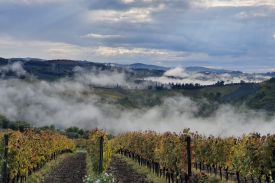
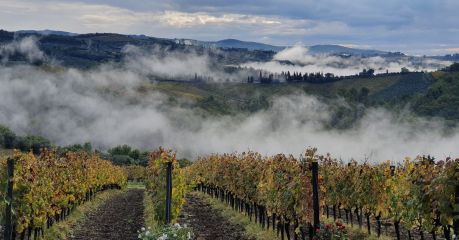
Fabio Firli, owner of the fabulous Follonico, reveals his favourite four wine producers in Tuscany close to his sweet little guesthouse - Uccelliera, Podere Le Ripi, Capitoni Marco and Talosa from Montepulciano.
read more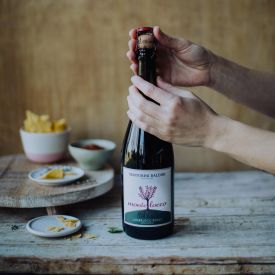
Eight varieties, one maligned region and a generation of producers quietly making the case. Lambrusco is no longer the 1980s punchline. It never deserved to be.
read more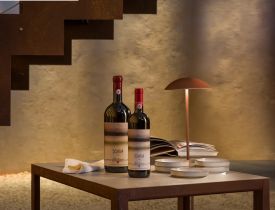
Violet. Rose. Turkish delight. Bramble fruit. Chalky tannins. Lacrima di Morro d'Alba is unlike any Italian red you have tried before. We meet the producers bringing it back from near extinction.
read more
Raphael was born here. Wolves still roam here. The wine will make you rearrange your entire sense of what Italy is. Le Marche: undiscovered, unapologetic, and frankly overdue your full attention.
read more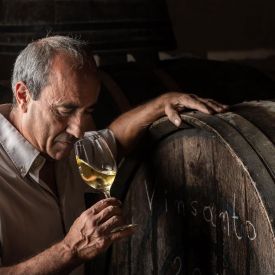

Discover the four best Santorini winemakers on the volcanic Cyclades island's vineyards: Argyros, Gavalas, Venetsanos and Hatzidakis from vinsantos to Assyrtiko.
read more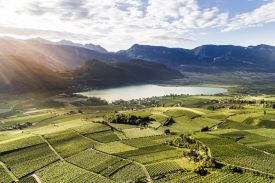
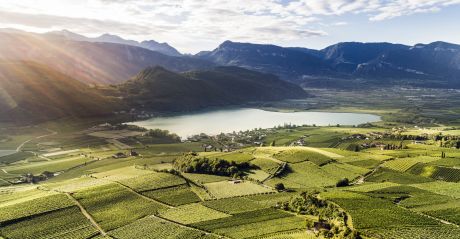
Looking for the most interesting wine producers around Lake Caldaro/Kaltern am See, we asked local hotelier Verena Huf of Das Wanda for her top three wine neighbours in Alto Adige.
read more
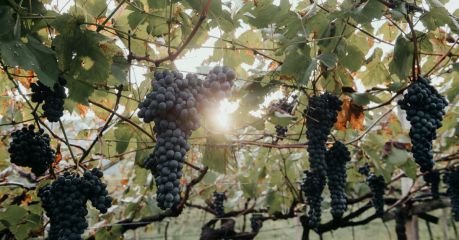
Discover the wineries of Lake Garda, Lago di Garda, in Trentino, Northern Italian wine tour: Veneto Giuseppe Quintarelli, the bros, Girelli of Montonale, and Cantrina.
read more
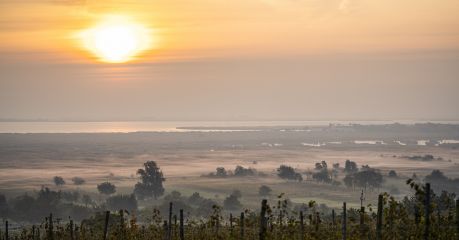
Pannonian wines carry the culture of the unique Burgenland climate, the long sunny summer and the ever so cold winters, sandwiched between the alpine foothills and the shores of Lake Neusiedl.
read more
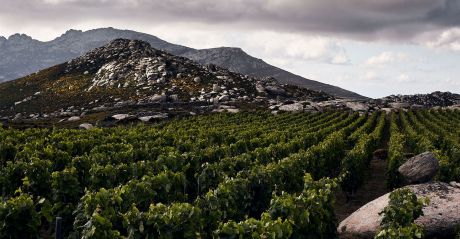
Three distinctive vineyards on the wild Greek island of Tinos produce bold natural wines from the harsh, mineral-rich, wind-sweept lands in the Cyclades. Meet three heroes: Gerard Margeon of T-oinos, Domaine de Kalathas by vigneron Jérôme Binda and Volacus Wines.
read more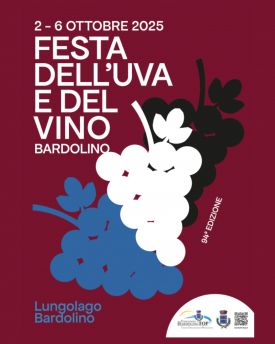
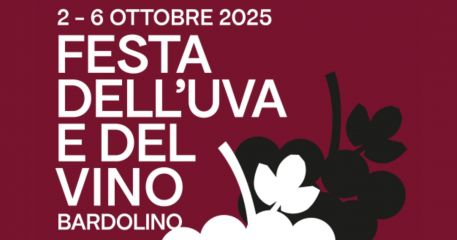
The Bardolino Wine Festival, or Festa Dell’Uva to locals, is found on the eastern shore of Italy’s beautiful Lake Garda, and is truly an oenophile’s dream, enjoying cult status in the wine world.
read more
The first organic certified vineyard in Emilia-Romagna with 130-hectares of land cradled between Parma and Reggio Emilia. The hilly area, ideal microclimate and verdant encircling forest was deemed the perfect spot for growing grapes.
read more
Get the insider news and lowdown on what we've been up to, where we've been, and who we've met along the way. Be the first to discover new places and get the scoop on our favourites.