JOIN the AFICIONADOS
Get the insider news and lowdown on what we've been up to, where we've been, and who we've met along the way. Be the first to discover new places and get the scoop on our favourites.

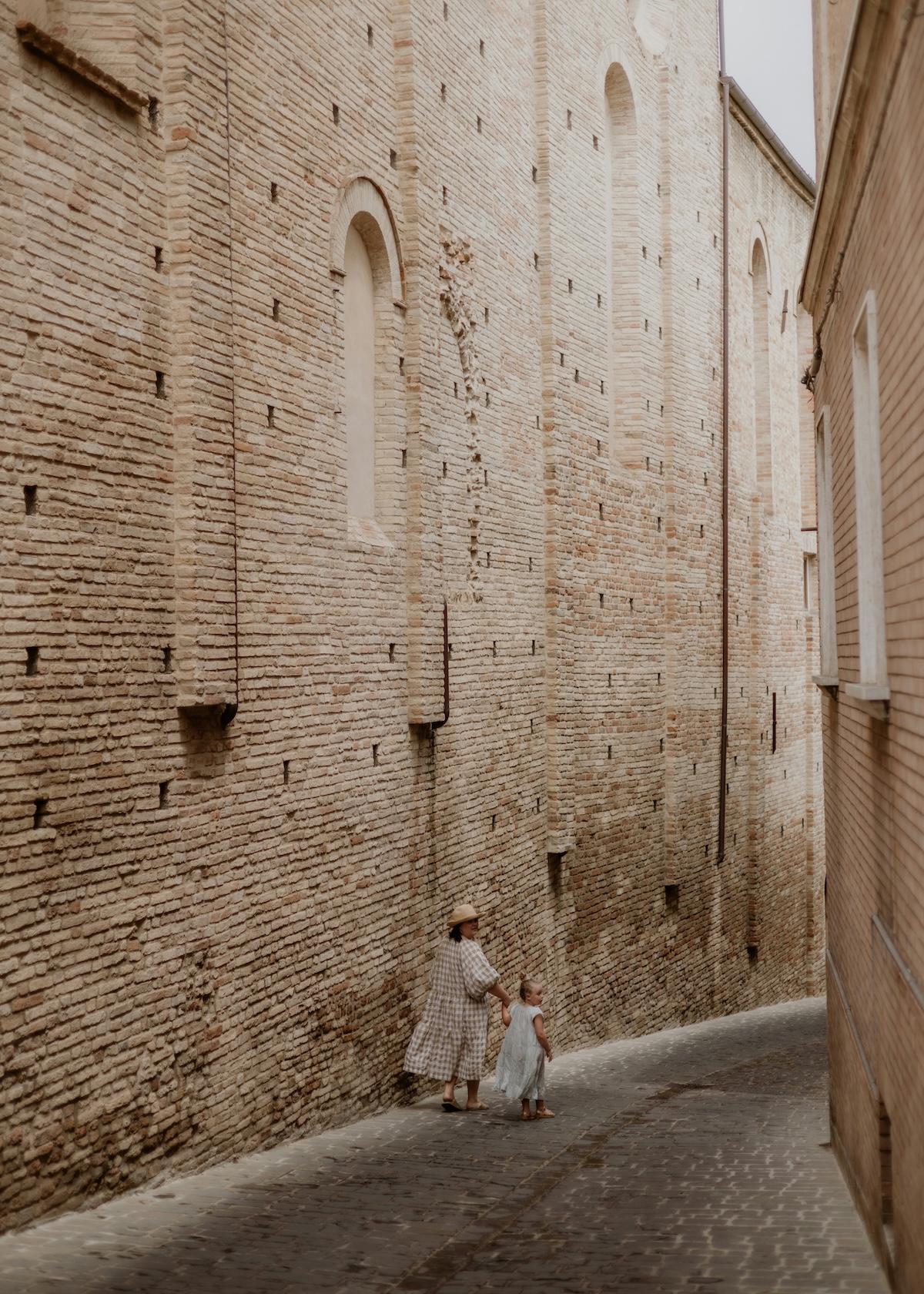
There is a particular pleasure in discovering that a country you thought you knew rather well has been concealing something magnificent all along. Italy, one might reasonably argue, has had quite enough opportunity to show off. And yet, tucked between the muscular spine of the Apennines and the wide, shimmering reach of the Adriatic, Le Marche has spent centuries doing precisely nothing to attract the attention of the travelling world, and succeeded, with considerable distinction, in remaining one of the most rewarding hidden gems in Italy.
For the traveller in search of undiscovered Italy, not a theme park version of it but the authentic, unhurried, quietly extraordinary thing, Le Marche is about as good as it gets.
The region borders Emilia-Romagna to the north, Tuscany and Umbria to the west, and Abruzzo to the south. Geographically, it sits at the very crossroads of Italy's most celebrated landscapes. Culturally, historically, and in every way that matters to a curious traveller, it has always charted its own course.
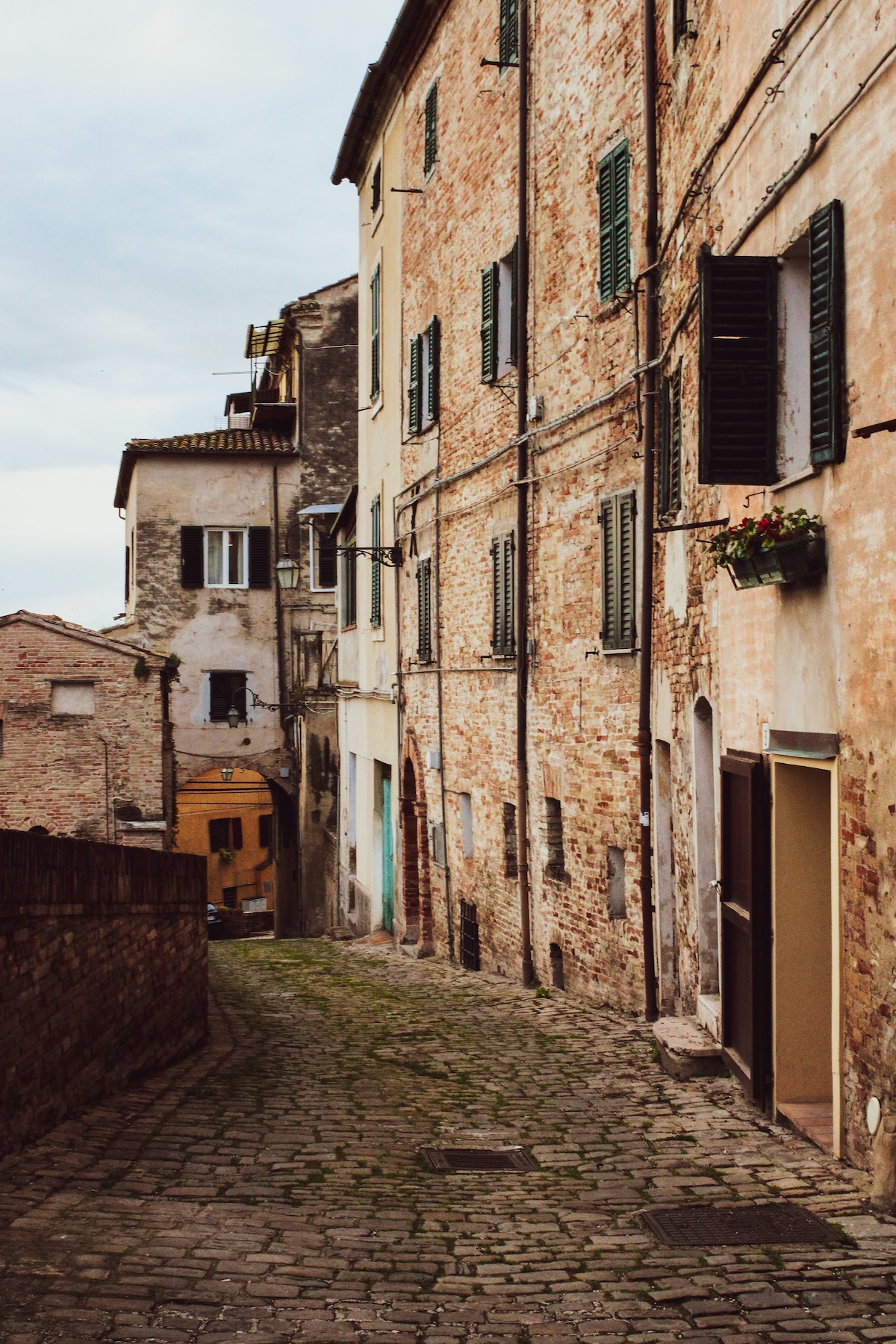
The capital, Ancona, is a working port city with deep Greek and Roman roots: a place that rewards visitors who arrive without expectations and leave with them revised considerably upward. The ancient triumphal Arch of Trajan still stands above the harbour with admirable conviction. The Greeks named the city Ankon, the elbow, for its curved coastline. The cathedral of San Ciriaco, perched on its promontory above the Adriatic, has been watching the sea since the fifth century and shows no signs of tiring. For travellers planning where to stay in Le Marche, Ancona makes an excellent and underused base: characterful, well-connected, and still, somehow, blissfully off the tourist trail.
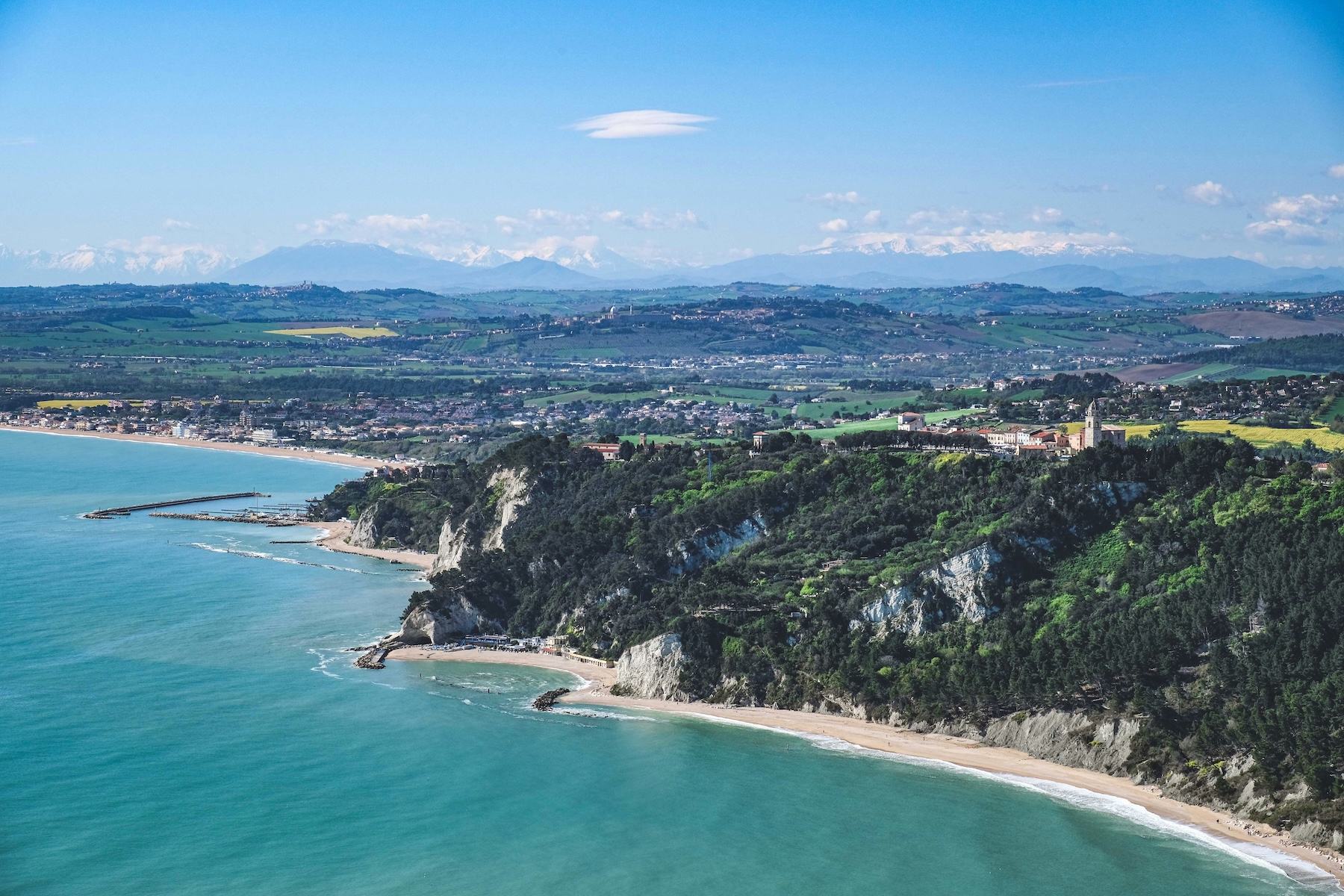
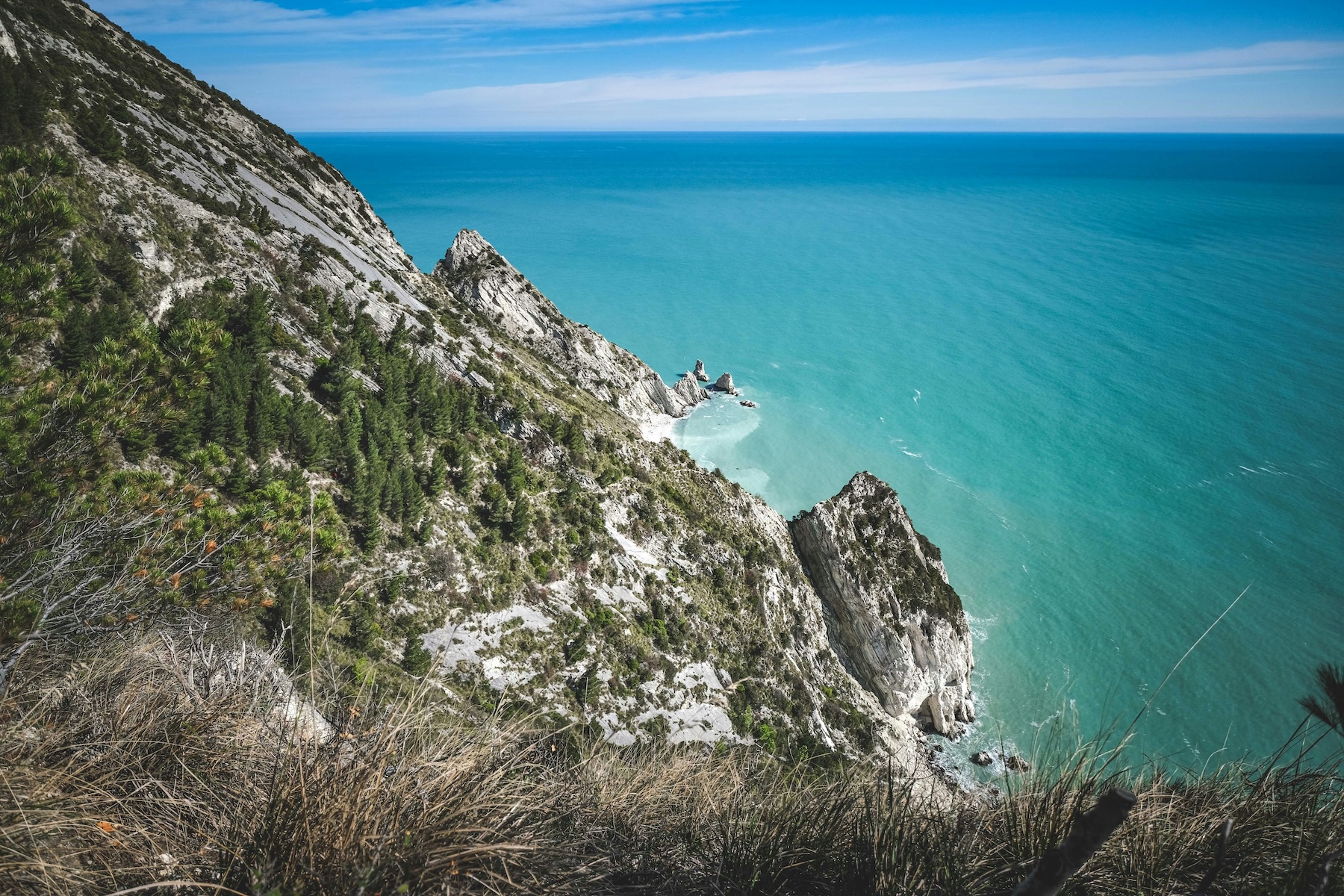
South of the city, the Riviera del Conero is where the geology turns theatrical. Limestone cliffs fall sheer into brilliantly clear water, and the small towns of Sirolo and Numana sit above coves of the sort that reward visitors who arrive without a selfie stick and depart with a very different understanding of what an Italian coastline can be. This is also where you drink Verdicchio dei Castelli di Jesi: pale, mineral, flinty and quietly extraordinary, it is one of Italy's great white wines and remains, inexplicably, underappreciated beyond the region's own borders. Its loss is very much your gain.
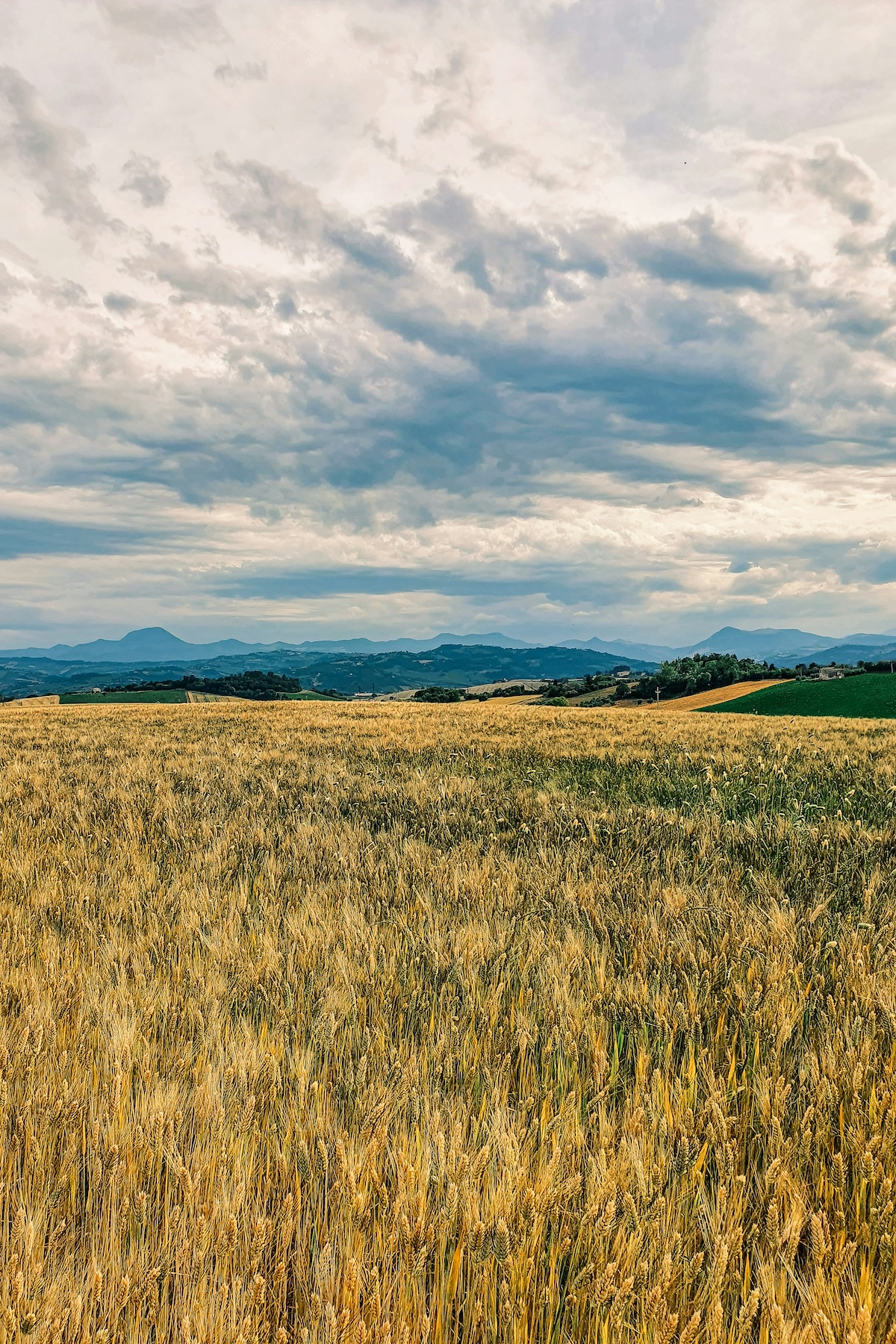
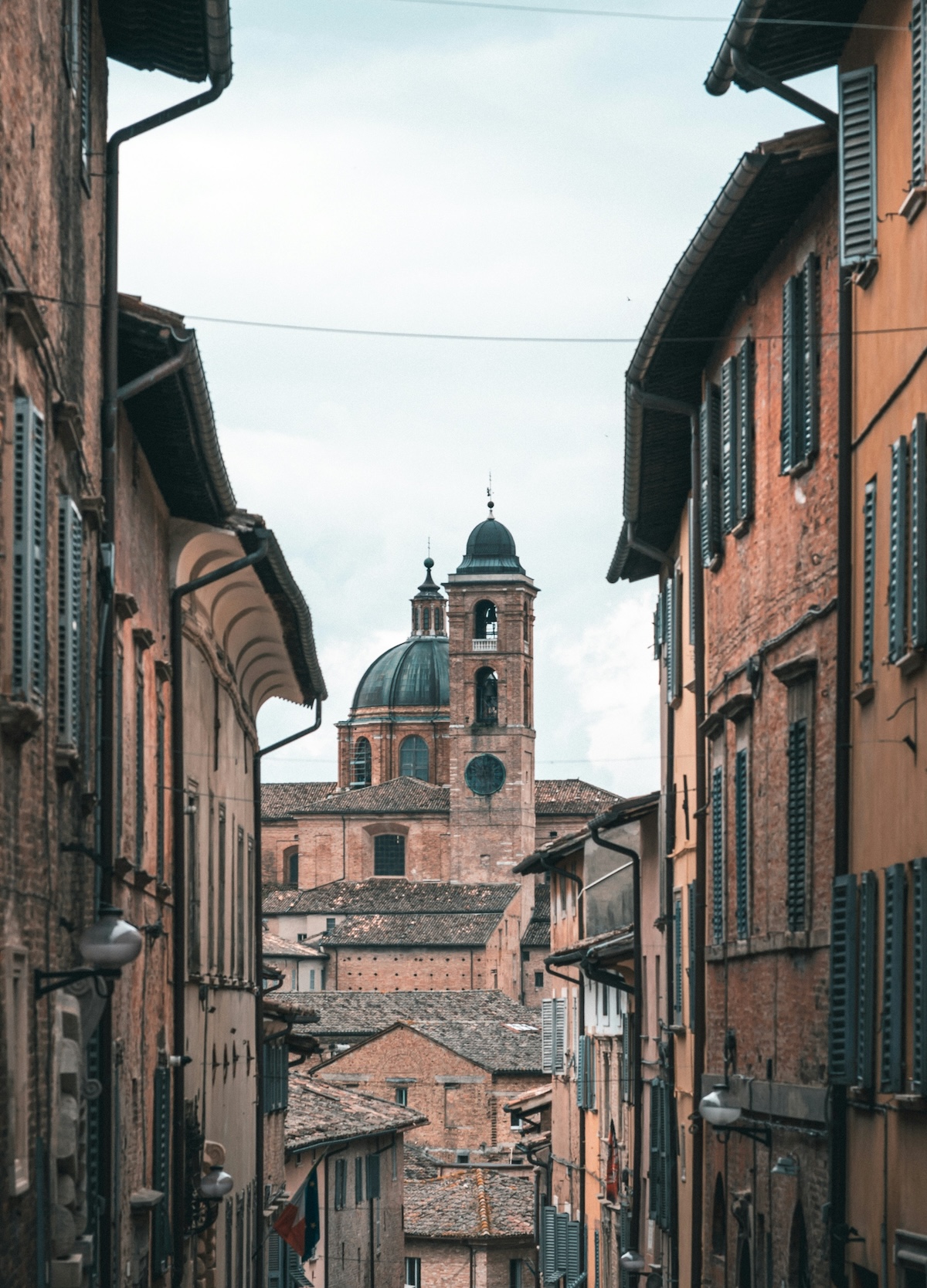
Inland, the hills fold and roll in a manner the Renaissance painters understood intuitively. This is, after all, the landscape that produced Raphael, born in Urbino in 1483. Urbino itself is a UNESCO World Heritage Site of understated magnificence, its Ducal Palace among the finest examples of Renaissance architecture anywhere in Italy, built for Federico da Montefeltro as a monument to humanist ambition and exceptional taste. It is one of Italy's greatest and least visited cultural destinations: a city that feels, remarkably, like a place still being lived in rather than curated for consumption.
Pesaro, on the Adriatic coast to the north, adds another cultural register: the birthplace of Gioachino Rossini, it carries its musical heritage with easy pride. The Rossini Opera Festival each August draws serious audiences from across Europe, while the town's brodetto, a saffron-scented seafood stew of considerable depth, makes a compelling argument for lingering well beyond the concert programme.
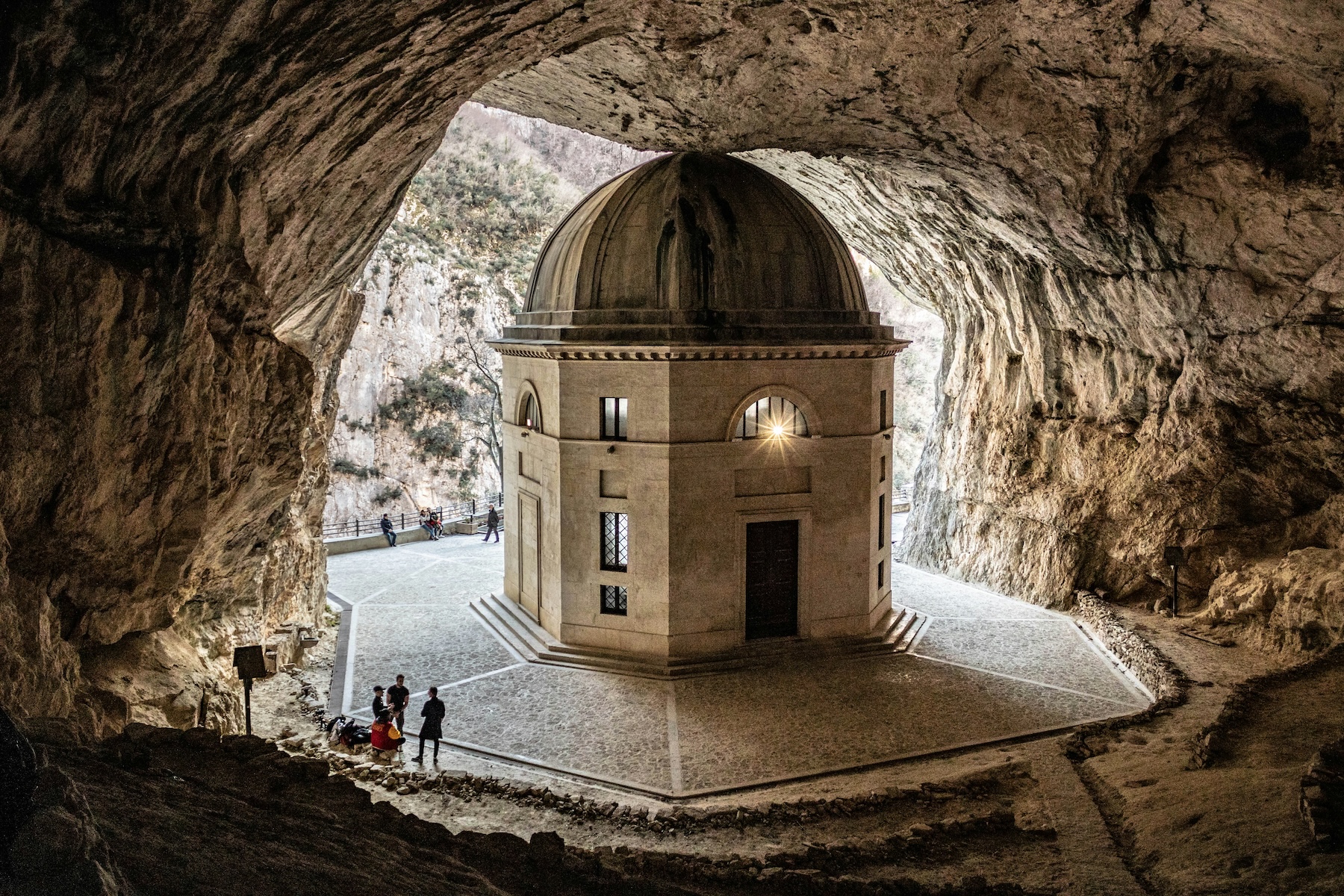
Further south, the Monti Sibillini National Park is where things turn properly elemental. Wolves move through beech forests. Medieval hilltop villages cling to ridges above valleys that bloom, in late spring, with wildflowers of almost hallucinatory intensity. The mythical Sibyl, the prophetess said to inhabit a cave deep in these mountains and consulted by pilgrims from across medieval Europe, seems, in such a landscape, not entirely implausible. This is slow travel Italy in its most compelling form: wild, layered, and genuinely unlike anywhere else.
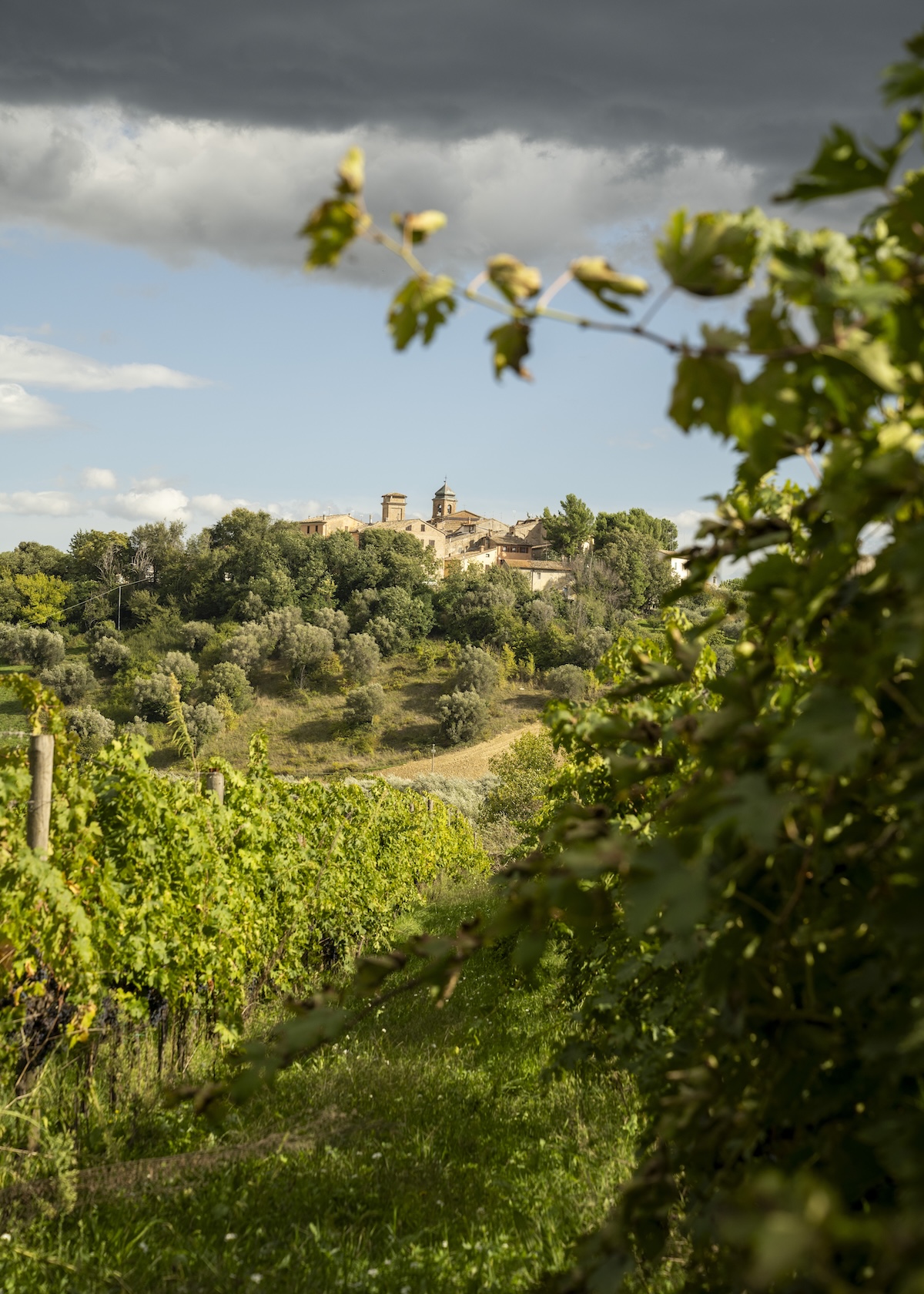
And then there is the wine of Morro d'Alba. Lacrima di Morro d'Alba, produced from a grape variety found almost nowhere else on earth, is a red of haunting, violet-scented depth. It is the kind of wine that demands good company, no rush, and a considered approach to the rest of the evening.
Le Marche does not court the casual visitor. It asks for patience, curiosity, and a willingness to leave the obvious Italian itinerary behind in favour of something altogether more rewarding. The boutique hotels here are discreet and genuinely personal. The landscapes are extraordinary and largely unbothered. The food and wine are among the finest expressions of Italian regional cooking you will encounter anywhere on the peninsula.
Italy has been hiding Le Marche in plain sight for rather too long. The sensible response, clearly, is to go immediately.
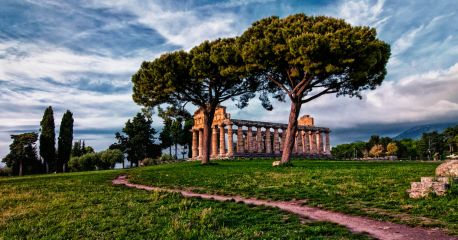
Paestum Temples in Southern Italy is one of those ancient antiquities that you have to visit – this UNESCO World Heritage Site in Cilento Campania is a treasure trove of ancient Greece including three of the world’s best-preserved temples.
read more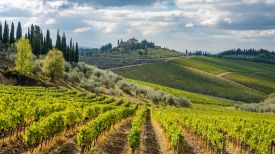
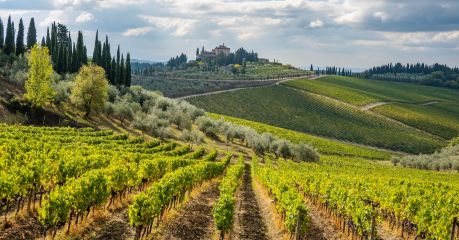
John Voigtmann of legend, La Bandita Townhouse in Pienza picks out his favourite Tuscan wineries from the Val d'Orcia: Brunello to Chianti Classico, his buddy vineyards to explore in Italy.
read more
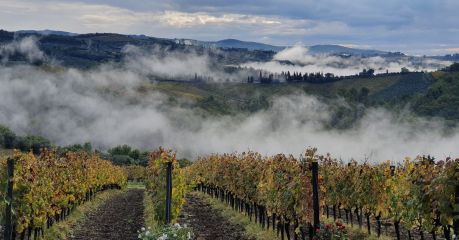
Fabio Firli, owner of the fabulous Follonico, reveals his favourite four wine producers in Tuscany close to his sweet little guesthouse - Uccelliera, Podere Le Ripi, Capitoni Marco and Talosa from Montepulciano.
read more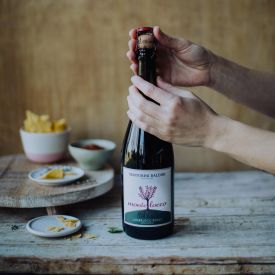
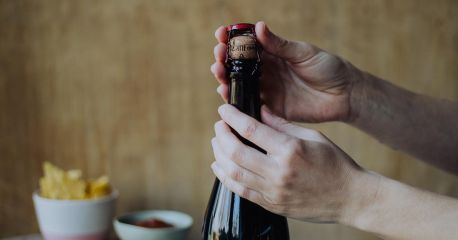
Eight varieties, one maligned region and a generation of producers quietly making the case. Lambrusco is no longer the 1980s punchline. It never deserved to be.
read more
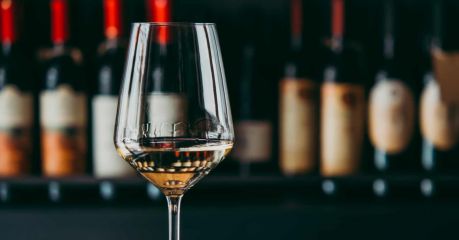
Crisp Verdicchio from the Adriatic hills. Aromatic Lacrima from Morro d'Alba. A sparkling red wine mentioned by Dante. Le Marche is Italy's most rewarding wine region and almost nobody knows it yet.
read more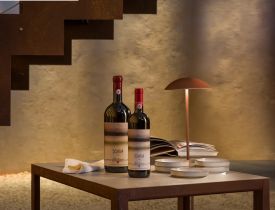
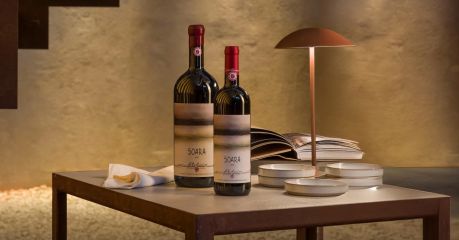
Violet. Rose. Turkish delight. Bramble fruit. Chalky tannins. Lacrima di Morro d'Alba is unlike any Italian red you have tried before. We meet the producers bringing it back from near extinction.
read more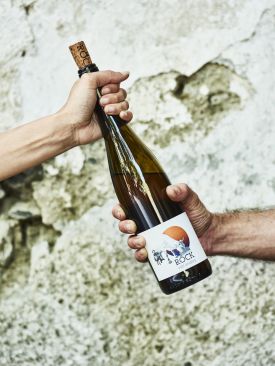
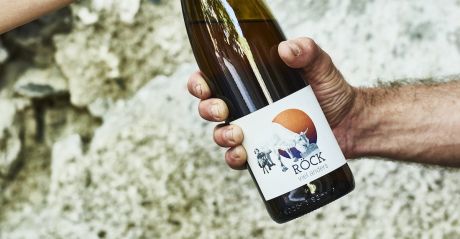
A 400-year family legacy, a vertical slope at the edge of viticulture, and two siblings intent on stripping winemaking back to the bone. The Röck story, from Villanders.
read more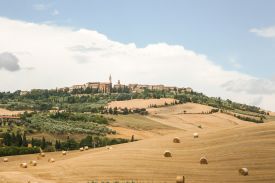
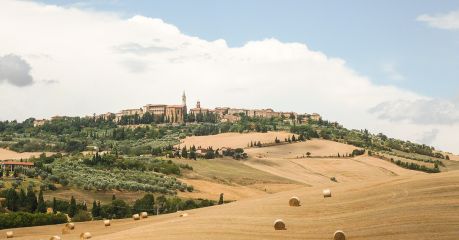
Pienza is a Renaissance experiment that never finished – and that’s what makes it perfect. Golden piazzas, sweeping Val d’Orcia views, and pecorino-fuelled indulgence – this is Tuscany’s dreamscape, frozen in time.
read more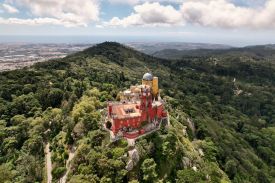
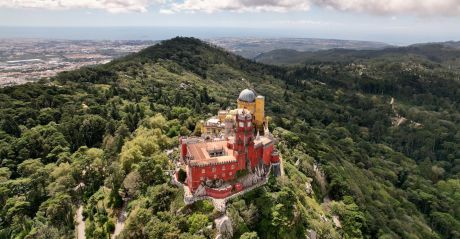
Travel to Portugal's fairytale den of Sintra, just outside Lisbon, for a world full of rolling hills and castles, once referred to by Byron as "glorious Eden".
read more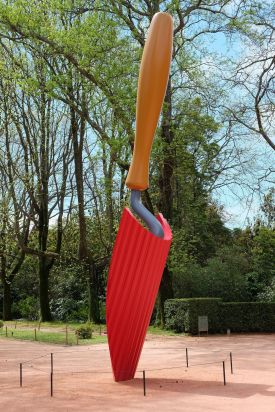
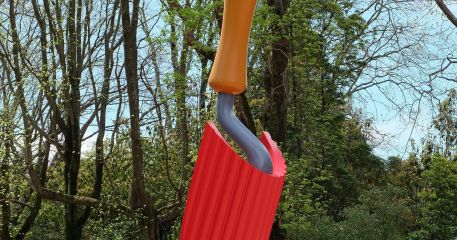
Porto for culture seekers - we explore the Serralves Foundation comprising of a dusty pink 1930-40s’s Art Deco villa designed by Porto architect José Marques da Silva, a landscape-specific contemporary museum designed by Álvaro Siza.
read more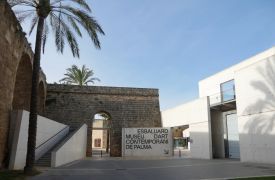
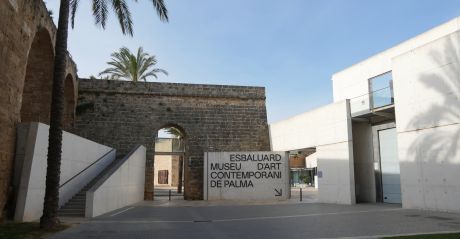
Es Baluard holds more than nine hundred works inside Palma's Renaissance walls, from Anglada-Camarasa to Miró and Barceló, with the bay laid out below.
read more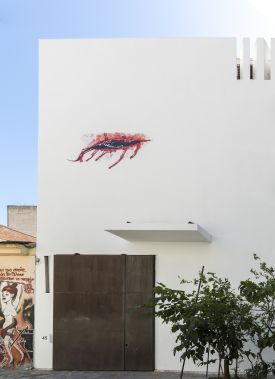
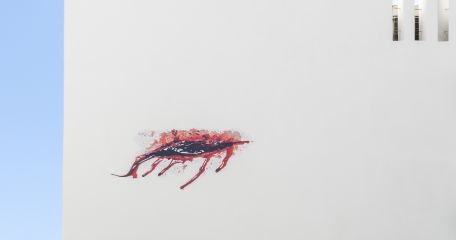
Radical, sometimes political and always on the pulse of Athens’ ever-evolving art scene, The Breeder Gallery is housed in an old ice cream factory, redesigned by architect Aris Zambicos.
Get the insider news and lowdown on what we've been up to, where we've been, and who we've met along the way. Be the first to discover new places and get the scoop on our favourites.