JOIN the AFICIONADOS
Get the insider news and lowdown on what we've been up to, where we've been, and who we've met along the way. Be the first to discover new places and get the scoop on our favourites.

At Ansitz Steinbock, a 15th-century South Tyrolean castle above the vines of Villandro, a gifted young chef and a 6-metre-deep wine cellar are rewriting what Alpine dining can be at restaurant La Lumosa.
There is a moment, arriving at Ansitz Steinbock on the sunlit plateau above the artists' town of Klausen, when you wonder whether you have taken a wrong turning somewhere between the present and the past. The castle rises from the slope with the particular authority of a building that has never once doubted its place in the world: glacial grey, Gothic in bearing, frescoed coat of arms above the entrance, cobbled inner courtyard utterly unchanged since the 15th century. And then you step inside, and the geometry of expectation shifts entirely.
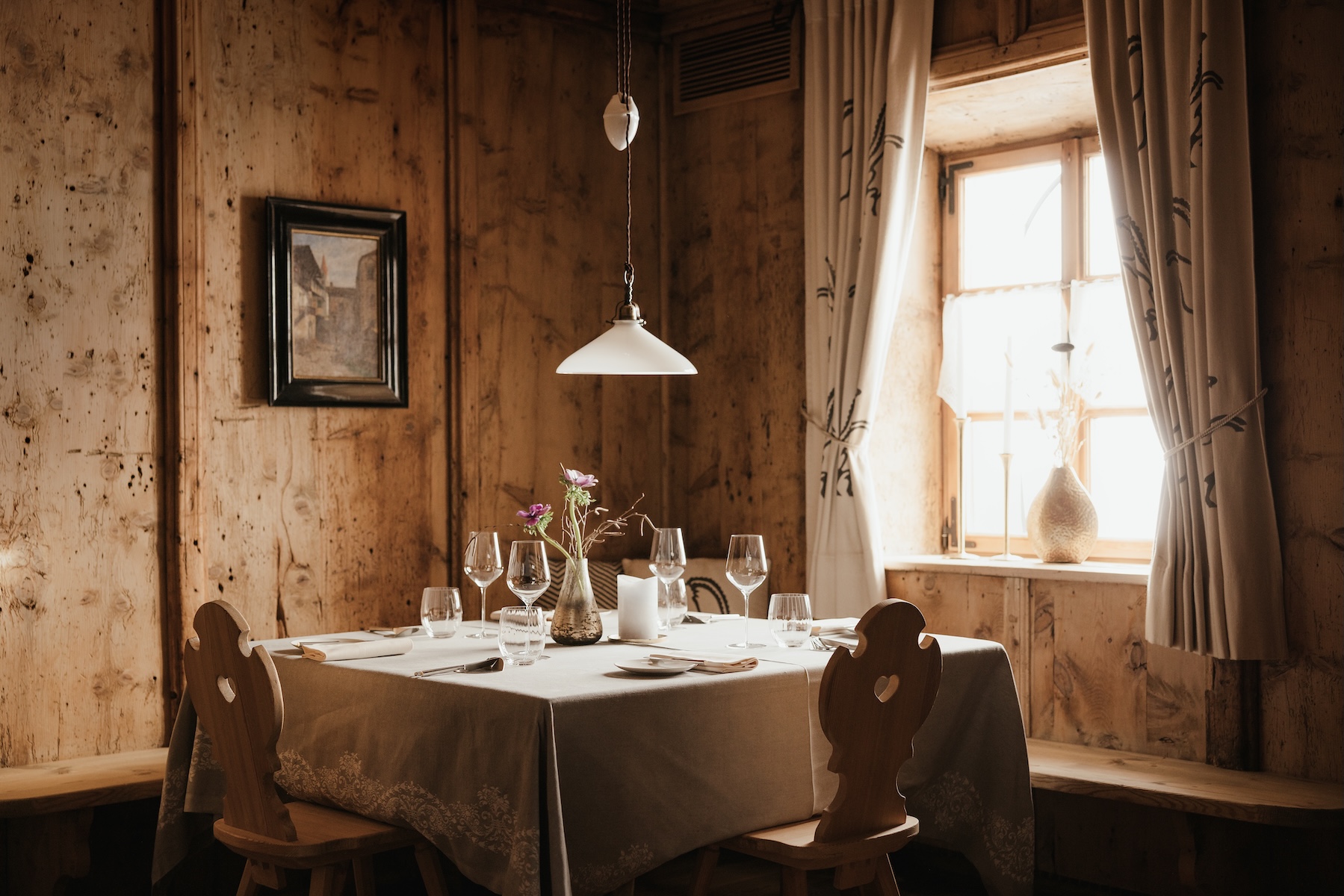
Within the old stone walls, Ansitz Steinbock is something else altogether: warm, considered, almost tenderly assembled. Original spruce floors, loam-plastered walls, smoked oak, cast iron and local pine, set against a palette of charcoal grey and white marl. The twelve suites are named for the legends and local luminaries who once walked these slopes. The saunas are Finnish, the baths are deep and freestanding, and Elisabeth, who took over the Steinbock at the age of twenty and has run it with fierce devotion ever since, greets each arrival with the particular ease of someone utterly at home in their world.
But it is at the table that the Steinbock makes its most emphatic declaration.
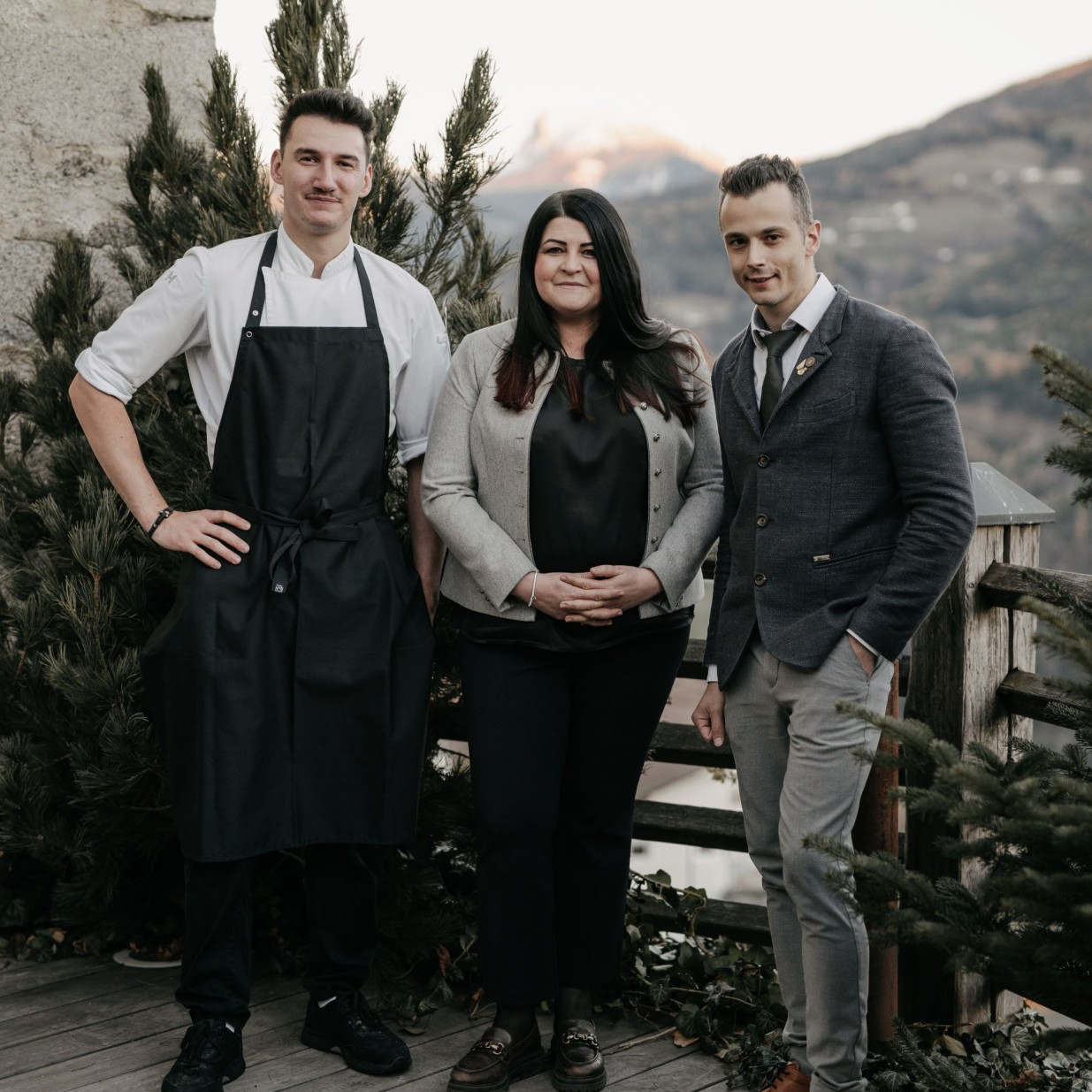
The hotel has been feeding guests since 1750, which is either a point of heritage pride or an extraordinary burden depending on which side of the kitchen pass you stand. René Tschager, who has been head chef here since October 2024, appears unbothered by either reading. Still in his mid-twenties, born and raised in nearby Völs, he won against the best apprentices in the country at WorldSkills Italy 2020 in Bolzano before going on to hone a cooking philosophy that is, in his own words, as personal as it is precise. The philosophy runs something like: be better today than yesterday, and better tomorrow than today. His cooking runs something like that too.
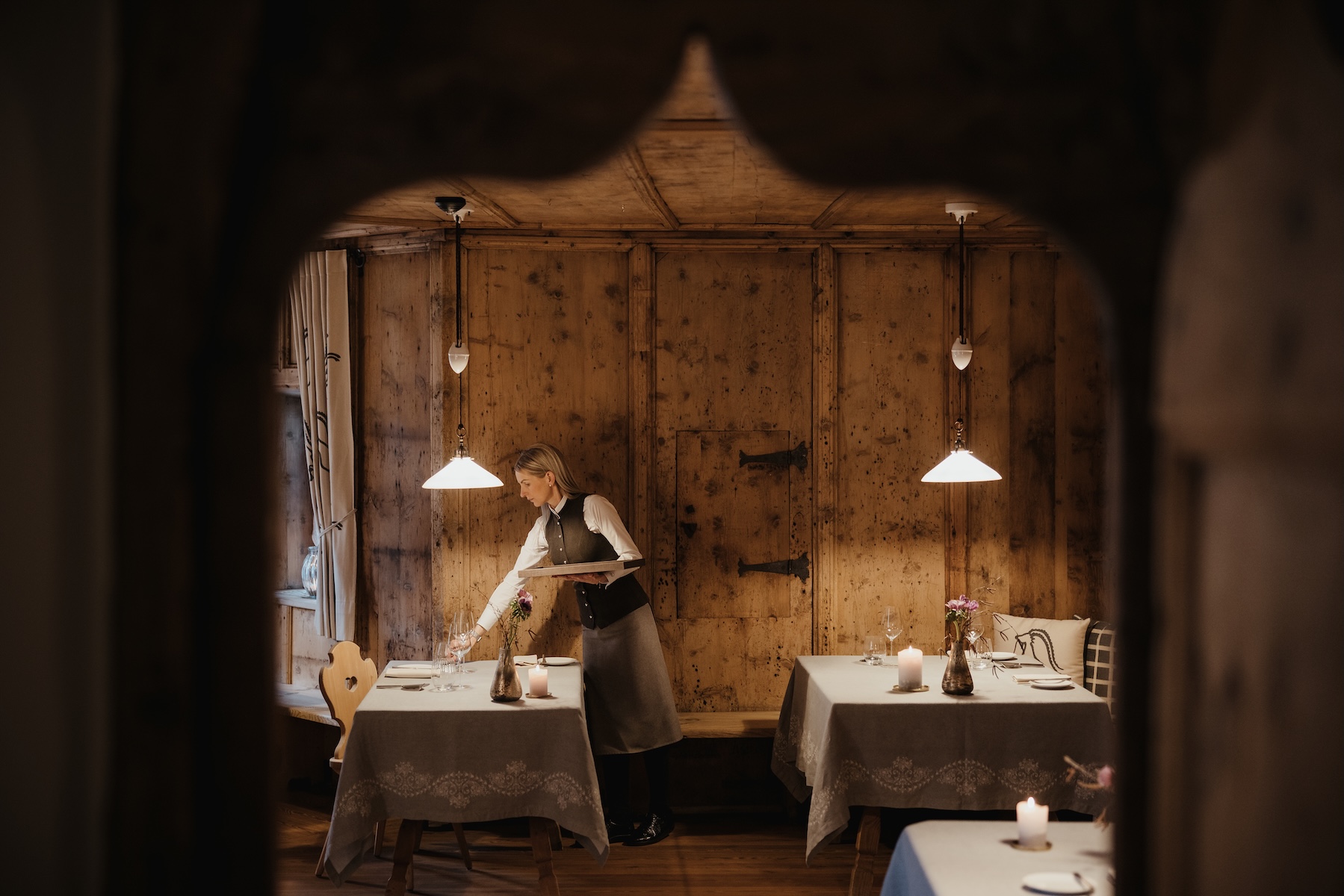
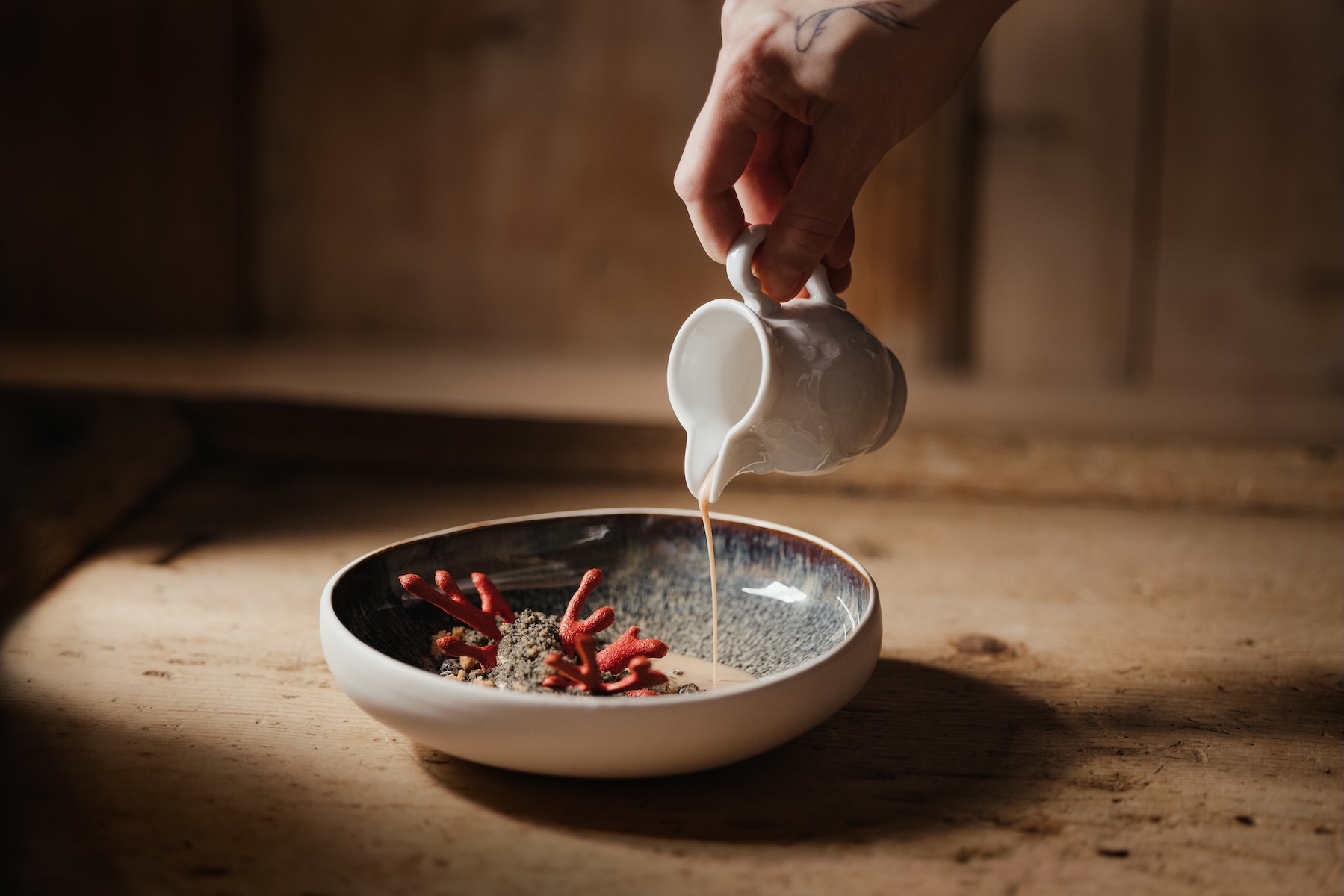
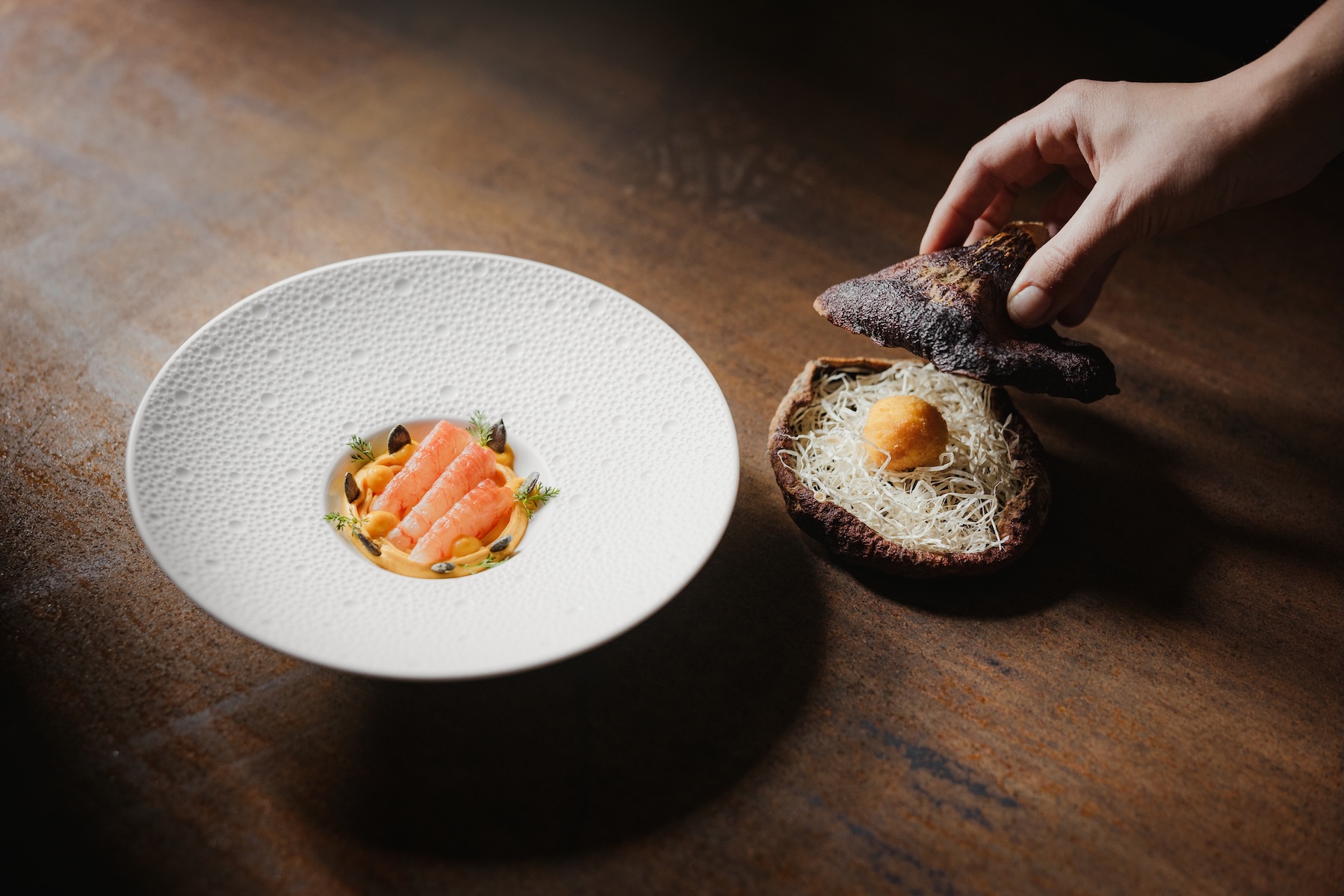
La Lumosa, the fine dining room reserved for just four tables and listed in the Michelin Guide, creates a menu in five or seven courses, which is the most precise expression of his thinking. Tschager's compass points north as much as it does south: Nordic in its clarity, South Tyrolean in its soul, and informed throughout by a respect for forgotten ingredients and the kind of traditional preparation methods that produce flavours most kitchens no longer remember how to find. There is nothing theatrical here, no truffle-shaving ceremony, no smoke and mirrors. Just the concentrated pleasure of one extraordinary dish arriving quietly after another, in a room of ancient stone walls that lend the whole experience a weight it frankly does not need.
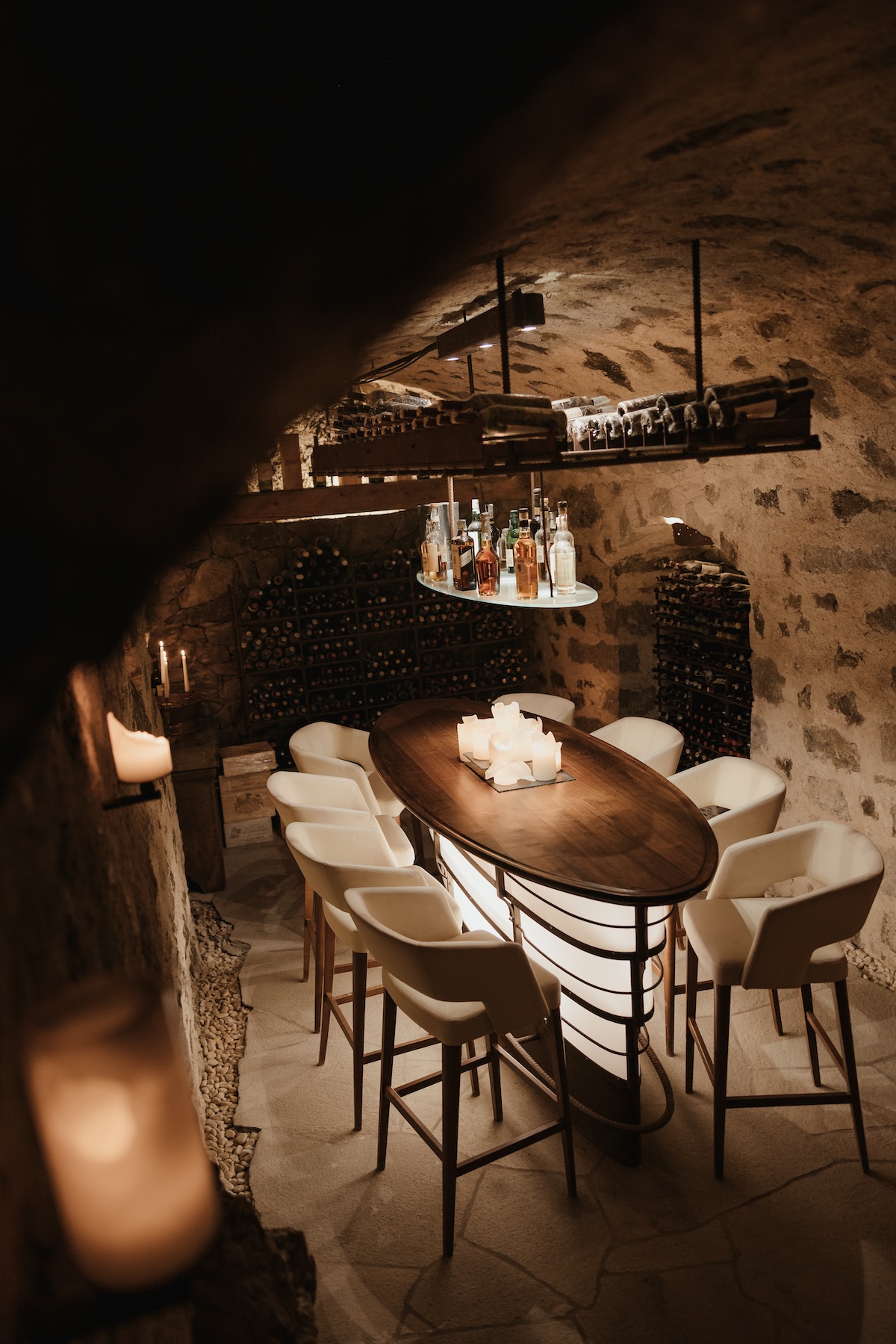
On the floor, the wine programme is in the hands of Bastian and Sonja, sommeliers whose knowledge of the six-metre-deep Gothic vaulted cellar, and its eight hundred labels, is both encyclopaedic and personal. The cellar runs deep into the rock beneath the castle, stocked with rare South Tyrolean finds alongside bottles from Burgundy, Franciacorta and the Wachau. They are generous with their knowledge, and generous with the glass.
The Steinbock's other dining modes offer their own distinct pleasures. The five-course Alpine dinner served in the Courthouse Stube draws on produce from the family's own farm: seasonal vegetables, garden herbs, tomatoes ripened slowly in the mountain sun. And the Stain, youngest and most convivial of the three concepts, has been keeping the Wirtsstubetradition alive since that original 1750 opening: canederli bread dumplings, handmade pasta, freshwater alpine fish, and Villnösser Brillenschaf, a Slow Food Presidium sheep breed raised on the hotel's own herd, which arrives at the table with the quiet confidence of something genuinely irreplaceable.
In an era when the word "authentic" is deployed so freely it has lost most of its meaning, there is something properly moved about sitting in this candlelit parlour-stube, eight tables, wood-panelled walls, the smell of good wine in the air, and knowing that the kitchen has been lit here, more or less continuously, for two hundred and seventy-five years. René Tschagerdidn't inherit that legacy. He chose to inhabit it, then quietly began to make it his own.
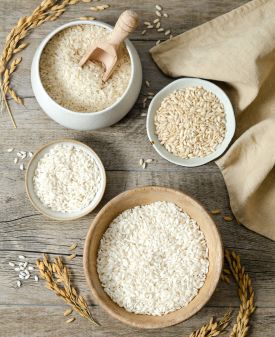
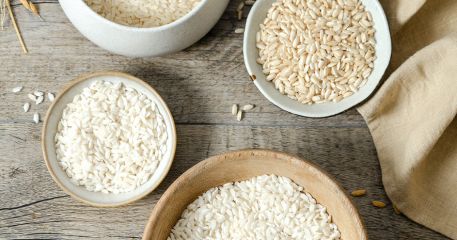
Ariane was living in New York as a lobbyist for sustainable and organic farmers when she felt the pull of her family’s farm in Tuscany. With her experience in sustainable agriculture, she decided to begin the journey to organic certification for her rice farm.
read more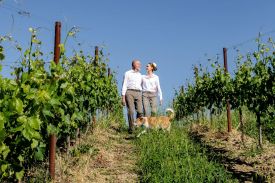
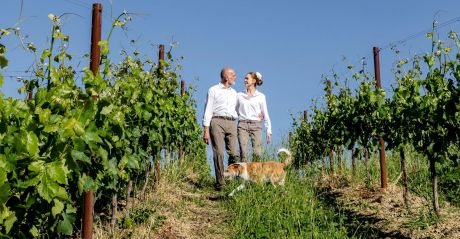
Experience Italy’s golden autumn at Filodivino, a vineyard hotel in Le Marche where harvest fills the air, truffles tempt the palate and Verdicchio flows with soulful charm.
read more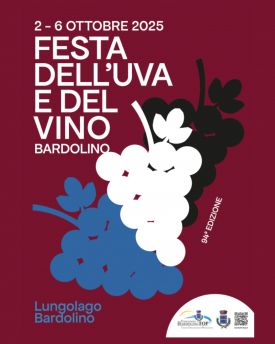
The Bardolino Wine Festival, or Festa Dell’Uva to locals, is found on the eastern shore of Italy’s beautiful Lake Garda, and is truly an oenophile’s dream, enjoying cult status in the wine world.
read more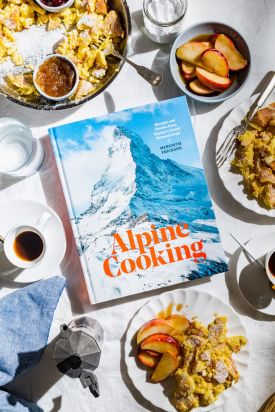
Food writer Meredith Erickson has travelled the wintry peaks and picturesque trails of the alpine region of France, Italy, Switzerland and Austria.
read more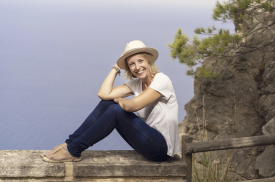
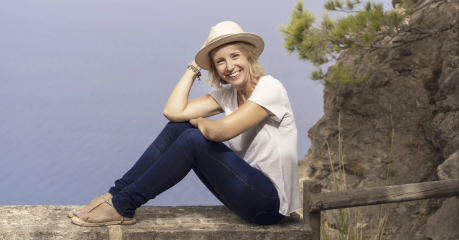
Dive into Europe's most thrilling luxury adventures! From vineyard cycling through Spanish serene trails - where adventure and indulgence meet.
read more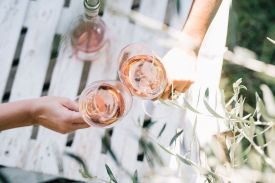
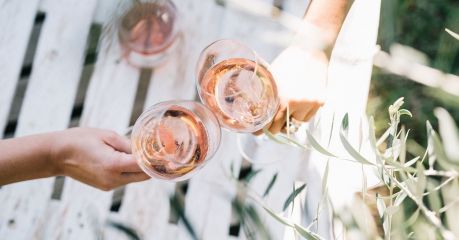
The first organic certified vineyard in Emilia-Romagna with 130-hectares of land cradled between Parma and Reggio Emilia. The hilly area, ideal microclimate and verdant encircling forest was deemed the perfect spot for growing grapes.
read more
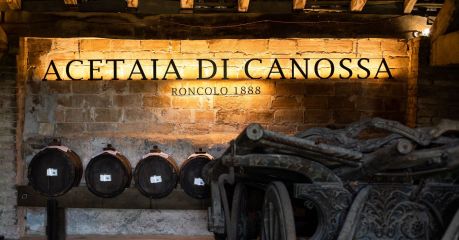
The making of balsamic is said to have been created as far back as 1046, when Henry III, Holy Roman Emperor, requested a gift of vinegar from the Tuscan marquis Bonifacio, father of Matilde di Canossa.
read more
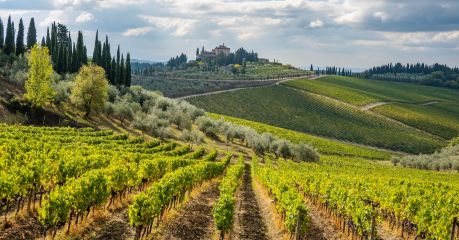
John Voigtmann of legend, La Bandita Townhouse in Pienza picks out his favourite Tuscan wineries from the Val d'Orcia: Brunello to Chianti Classico, his buddy vineyards to explore in Italy.
read more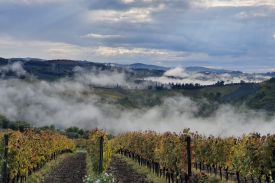
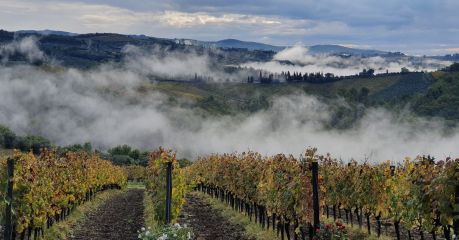
Fabio Firli, owner of the fabulous Follonico, reveals his favourite four wine producers in Tuscany close to his sweet little guesthouse - Uccelliera, Podere Le Ripi, Capitoni Marco and Talosa from Montepulciano.
read more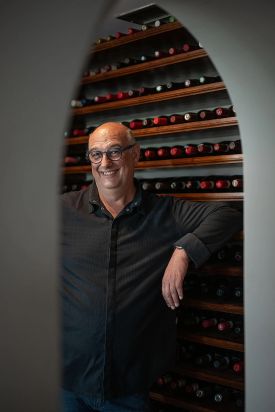
A culinary tale woven with passion, history, and flair, this is a journey through the flavours, memories, and artistry that have made one family’s name a cornerstone of Merano’s dining scene.
read more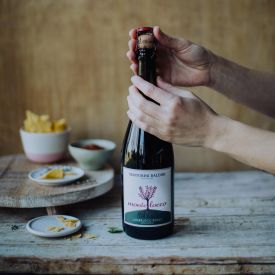
Eight varieties, one maligned region and a generation of producers quietly making the case. Lambrusco is no longer the 1980s punchline. It never deserved to be.
read more
Crisp Verdicchio from the Adriatic hills. Aromatic Lacrima from Morro d'Alba. A sparkling red wine mentioned by Dante. Le Marche is Italy's most rewarding wine region and almost nobody knows it yet.
read more
Get the insider news and lowdown on what we've been up to, where we've been, and who we've met along the way. Be the first to discover new places and get the scoop on our favourites.