JOIN the AFICIONADOS
Get the insider news and lowdown on what we've been up to, where we've been, and who we've met along the way. Be the first to discover new places and get the scoop on our favourites.

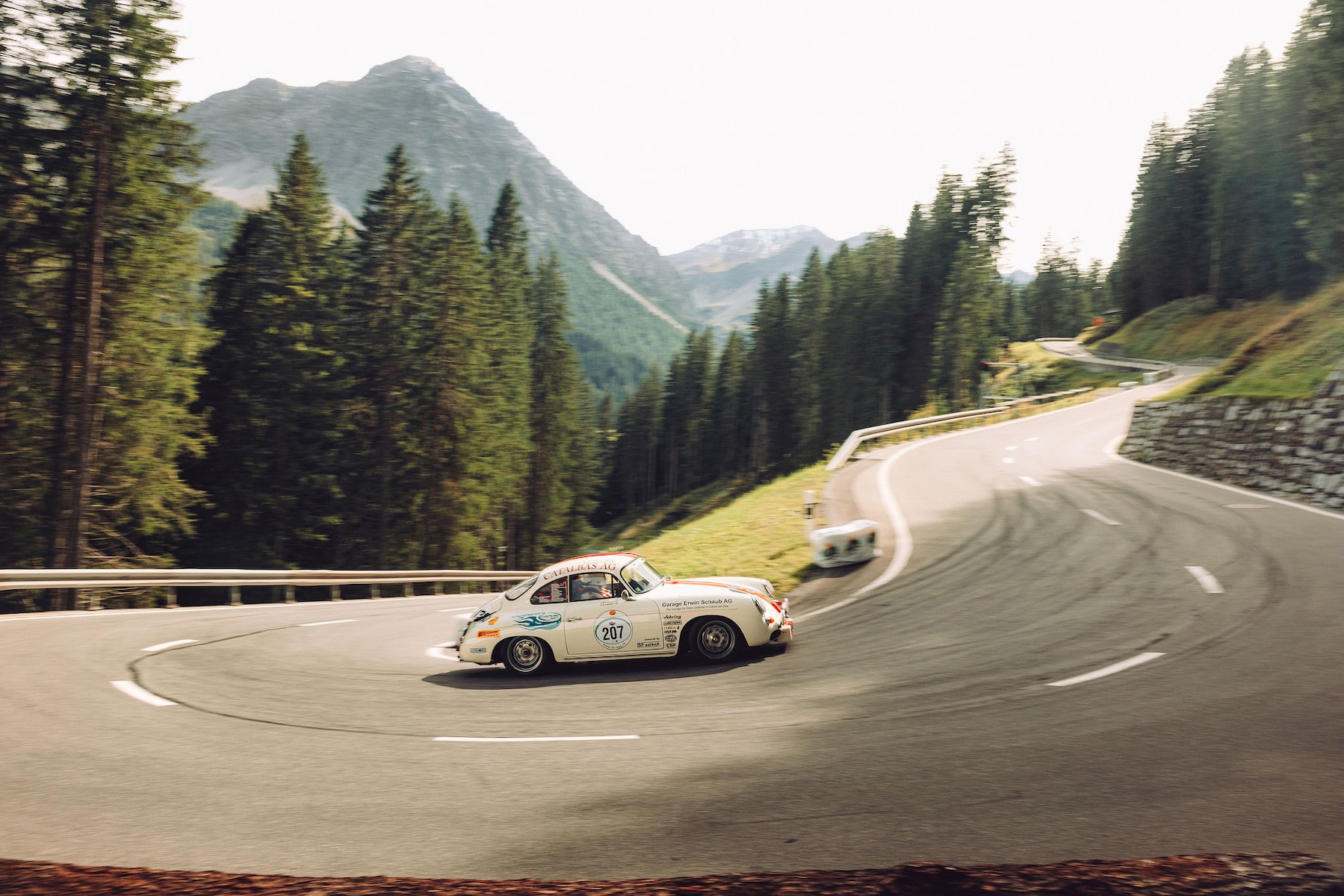
The twenty-second Arosa ClassicCar drew roughly 220 entries for 180 places. From 3 to 6 September 2026, nearly a century of racing machinery climbs the Schanfigg.
Somewhere in the Grisons there is a stretch of mountain road that more people want to drive than it can possibly hold, which is, when you think about it, the most flattering problem a motor race can have. This year's Arosa ClassicCar attracted around 220 entries for a grid capped at 180, so a good number of drivers will spend the summer studying a waiting list rather than a rev counter.
"We are delighted by the response and by the sustained interest in the Arosa ClassicCar," says organising committee president Markus Markwalder. "It shows the standing our event has reached within the international classic-car and motorsport scene." Hard to argue, given that the entry list reads less like a start sheet and more like a curated exhibition that happens to move at speed.
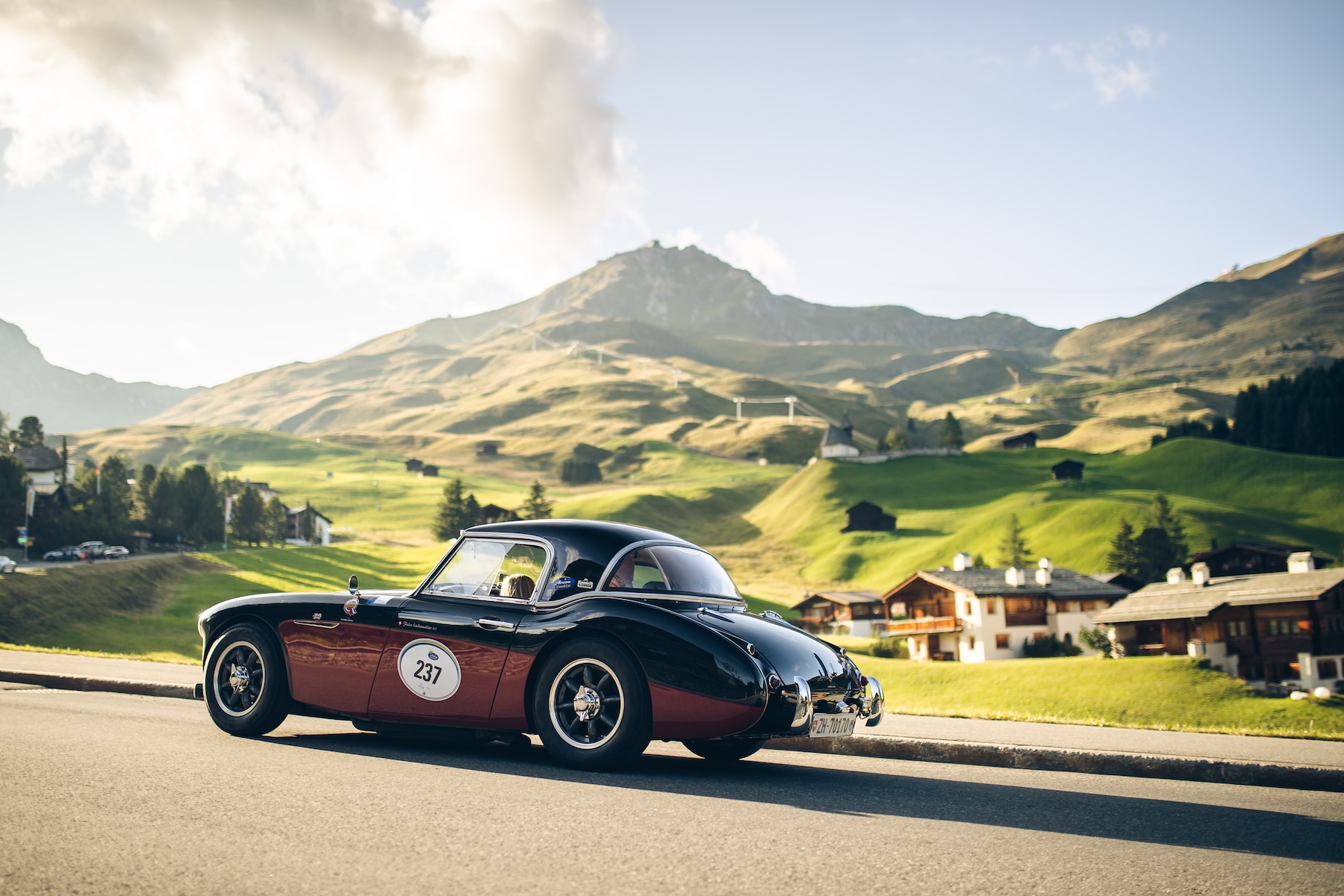
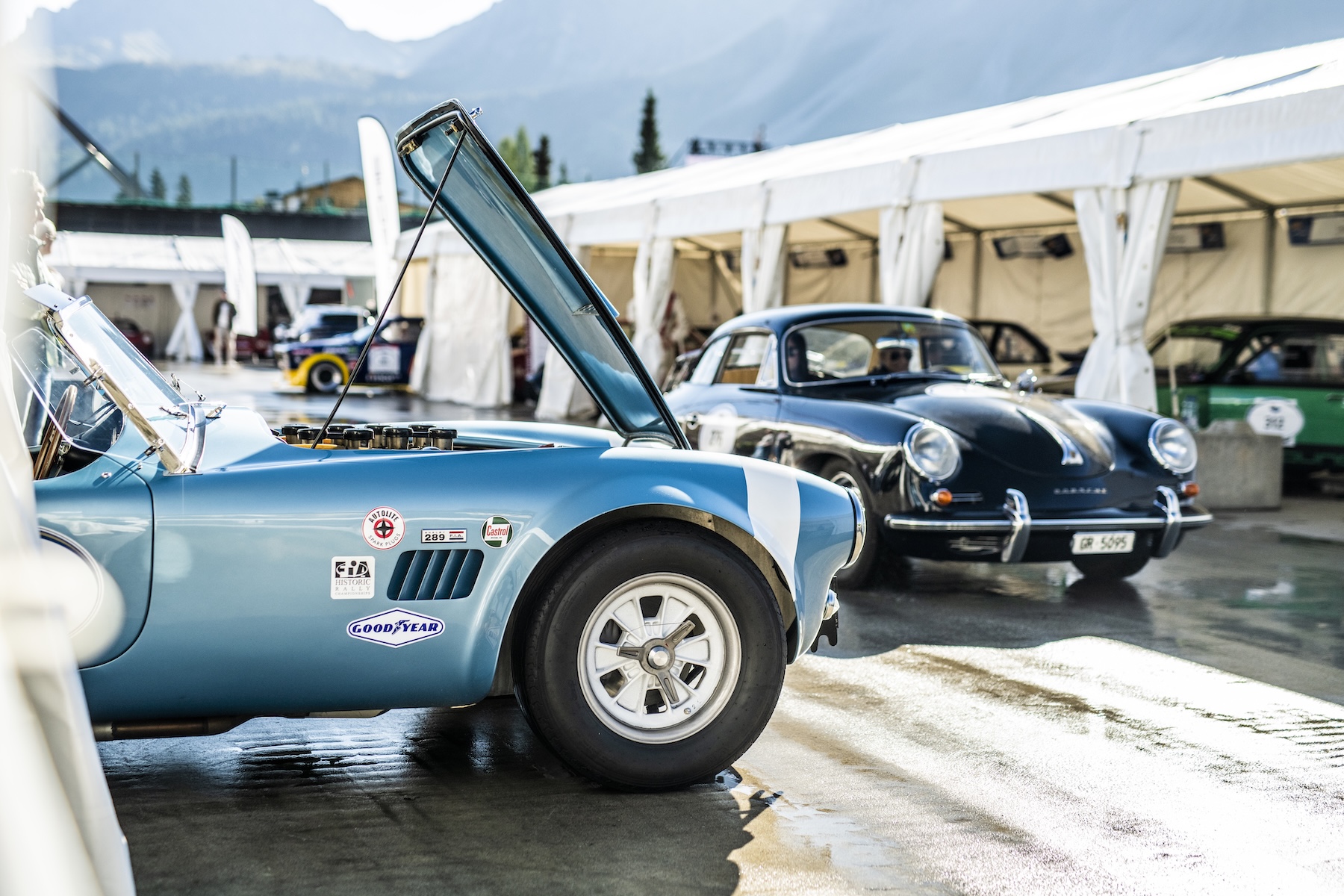
The headline arrivals make the case on their own. Urs Furter brings a rare Shelby Cobra Daytona Coupé from 1965 to Arosa for the first time, a car of which only a handful were ever made. Serge Endress counters with the Audi Quattro S1, among the most theatrical rally machines ever built and a guaranteed hairdryer for the spine.
After a long absence, Albert Dobler returns to the hill with his BMW M3 E30 DTM. The Appenzeller started here ten times between 2008 and 2018, and remains one of the recognisable faces of the Swiss motorsport scene, the sort of competitor regulars greet by first name.
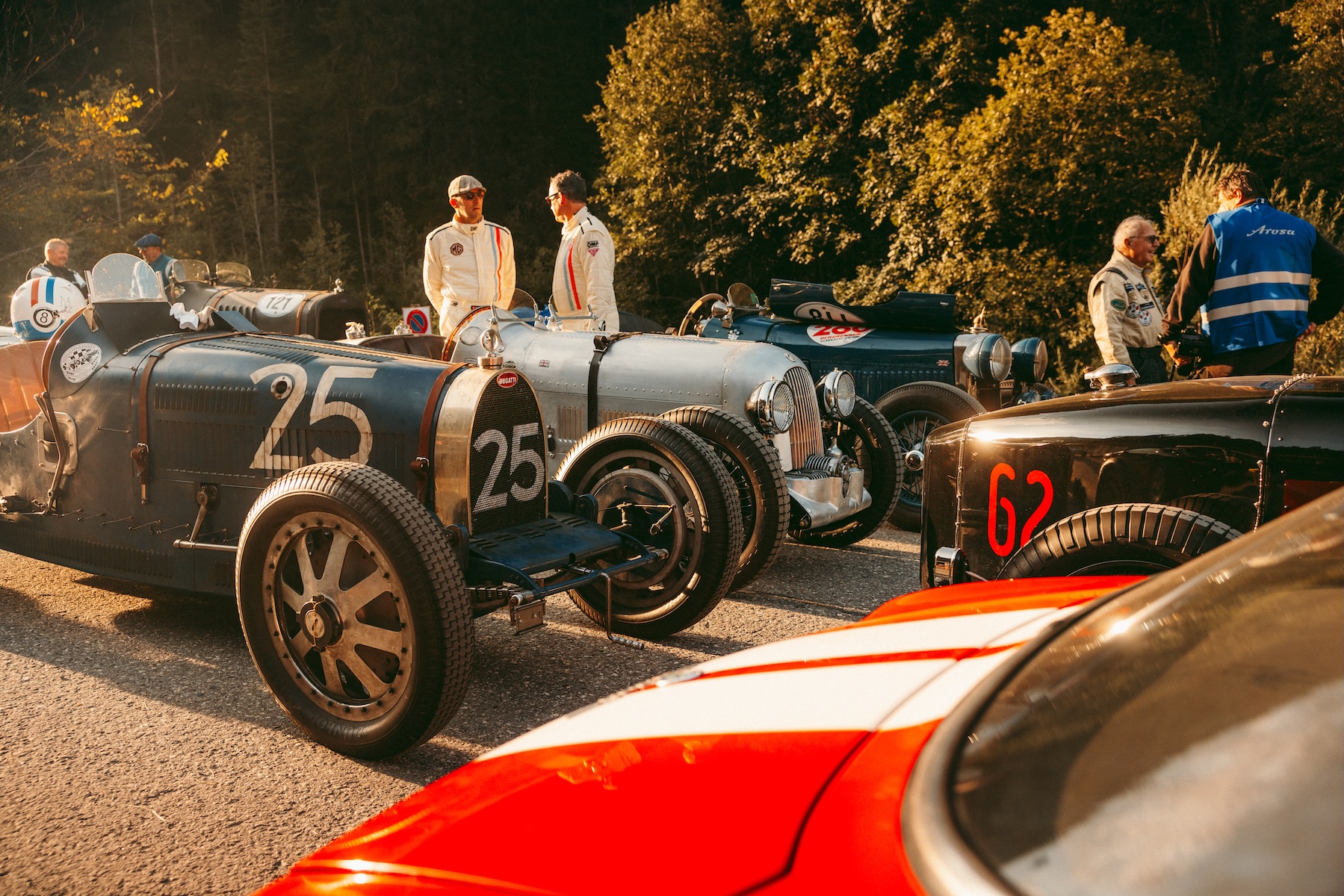
The pre-war machines get their due, too, largely thanks to Daniel Sonderegger, who has spent months lobbying to give these automotive eyewitnesses greater prominence at the event. He arrives in a 1927 Bugatti 37/35B, which is less a car than a moving argument for why any of this matters in the first place.
Then there is the Sauber C3 of Erich Schellinger, and here the story does the heavy lifting. Built in 1973, it was the last of just three C3s made at Sauber in Hinwil, an early racing chapter of a Swiss company the world now knows rather well. After spells in Switzerland, Germany and Canada, the car came home in 2021. Schellinger will pilot it at Arosa for the very first time.
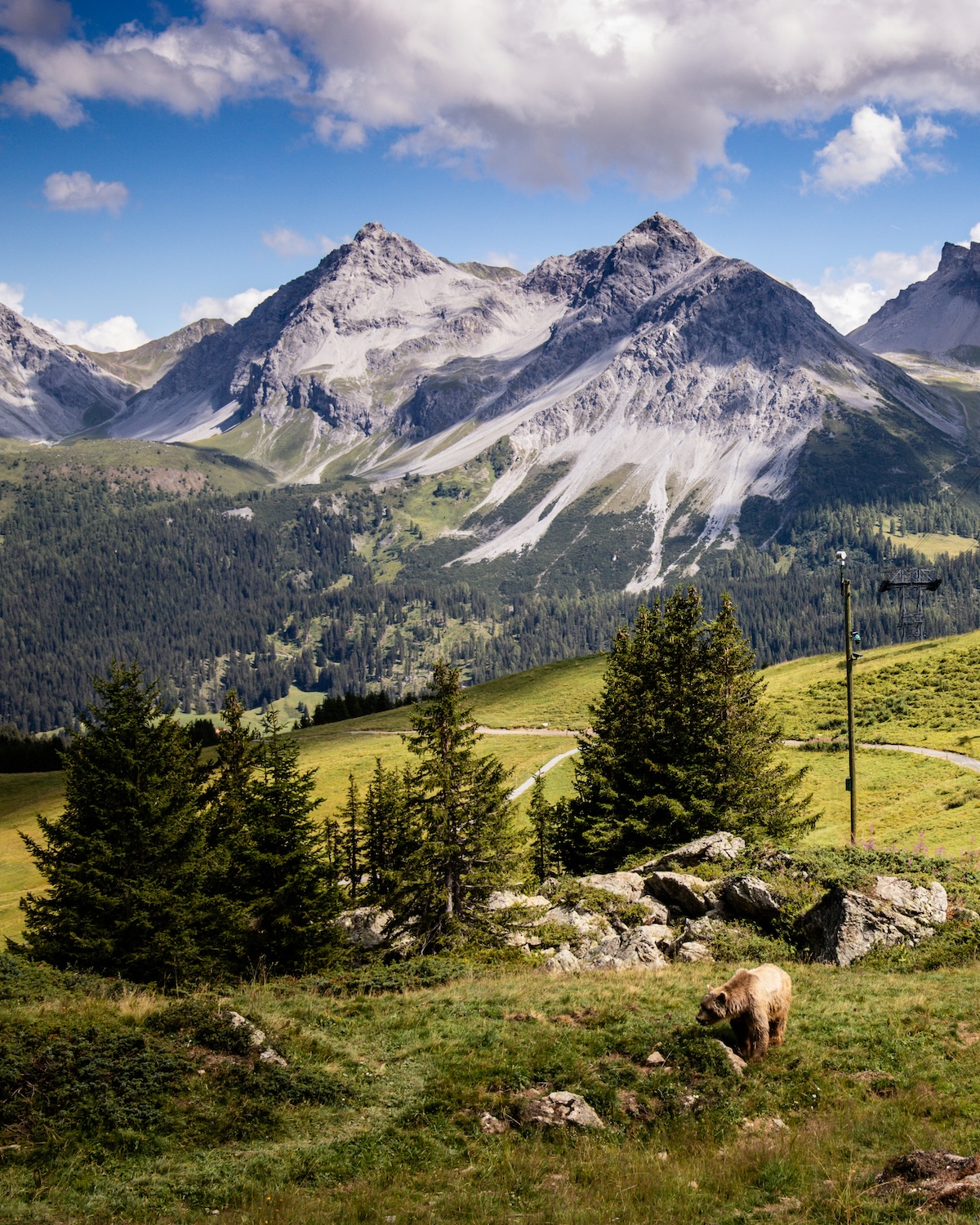
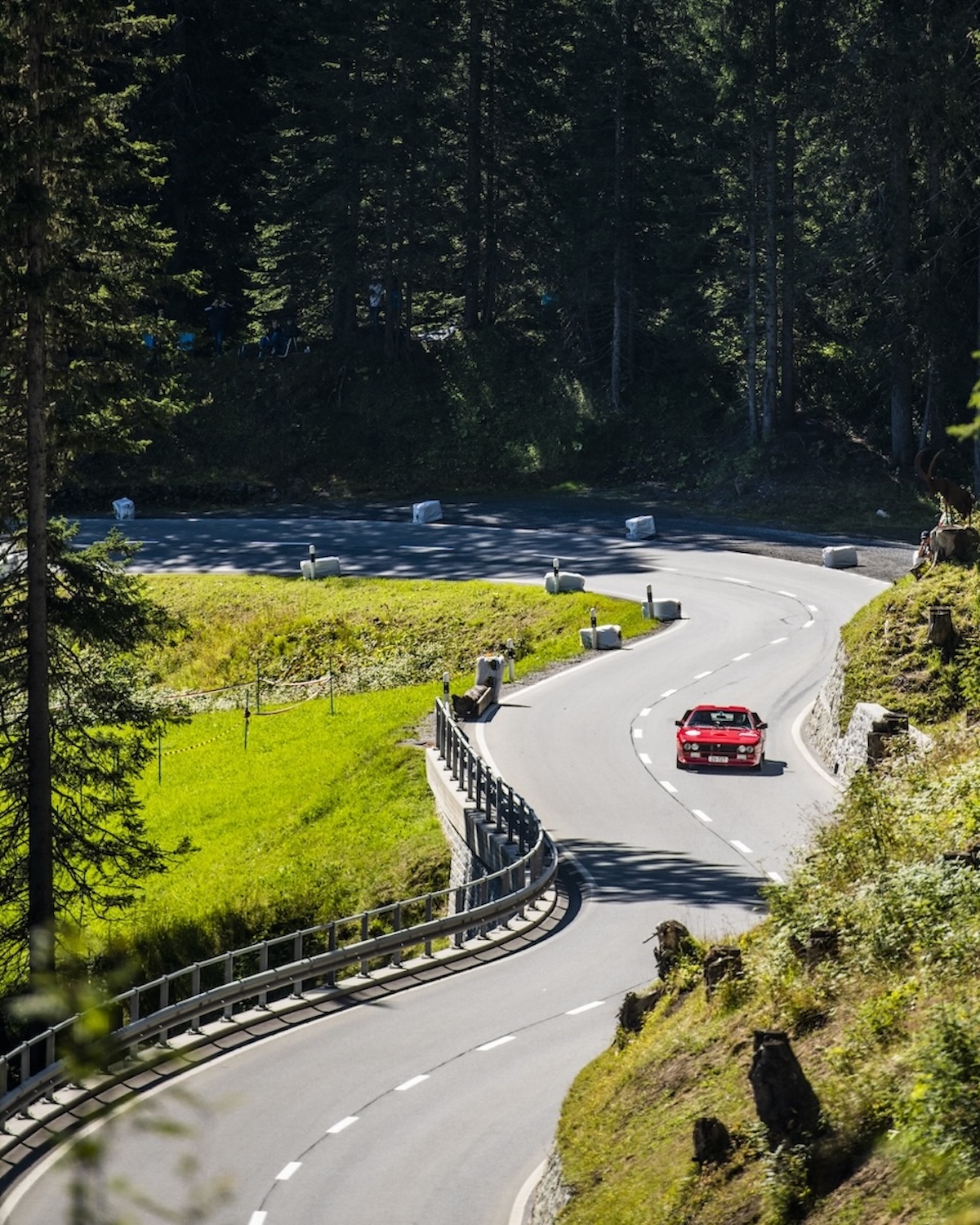
For those who would rather feel the thing than photograph it, the waiting list for the popular race-taxi runs is already open, and with a little luck you can experience the legendary climb from the passenger seat of a competition car. The course between Langwies and Arosa is, by any measure, a serious piece of road: 7.3 kilometres, 76 corners and 422 metres of vertical gain, which earns it a place among the most spectacular hill climbs in Europe.
Arosa ClassicCar continues, with some conviction, down its chosen path on sustainable mobility. E-fuels will again play a central role in 2026, with partners from the automotive and energy sectors demonstrating how historic cars can keep running responsibly rather than apologetically. Porsche Schweiz remains the main sponsor and Car Partner, lending weight to the marriage of tradition and innovation. Further details on this year's e-fuel activities will follow closer to the event.
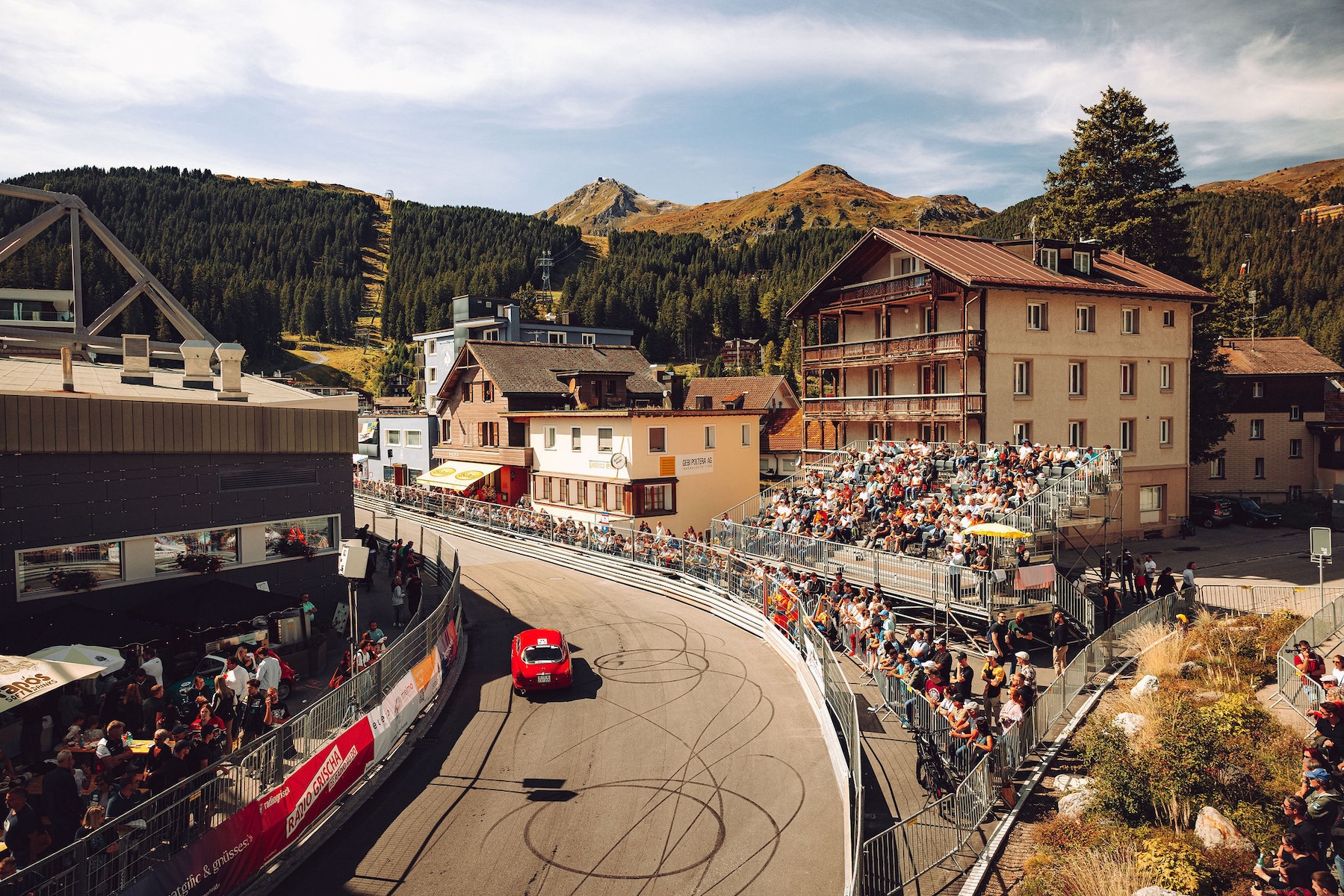
Visitors travelling within Switzerland who buy a ticket in advance receive 50 per cent off return public transport travel, a quiet nudge towards arriving in Schanfigg the civilised way. The weekend itself opens on the Thursday evening with the traditional vehicle parade through the village, after which racing runs live trackside from Friday to Sunday. Large screens and food await at both the start in Langwies and the finish in Arosa, and both paddocks are open free of charge across all four days, machinery within touching distance. The full programme, tickets and VIP packages live at arosaclassiccar.ch.
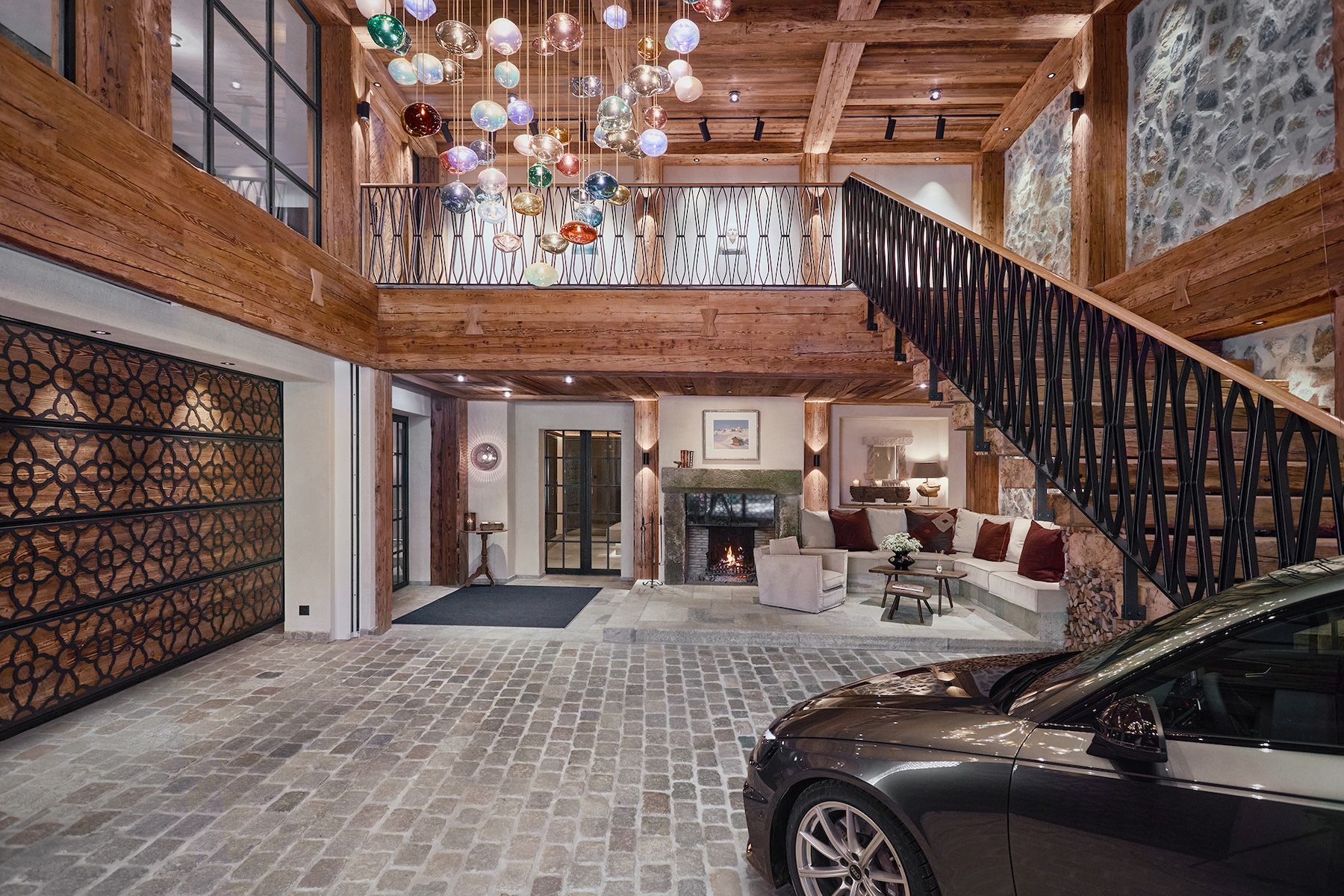
Base yourself at BelArosa Chalet, which takes the old idea of the cosy ski lodge and rethinks it as something quieter and considerably rarer. Built in 2024 it gathers just ten self-contained chalet-apartments under one roof of reclaimed spruce and 200-year-old hand-hewn oak, perched on a south-facing rise at 1,800 metres with the village and its mirror-still lakes laid out below. Five of the suites have their own Sky Infinity Pool, two of them with glass floors, cantilevered out over the Arosa landscape.
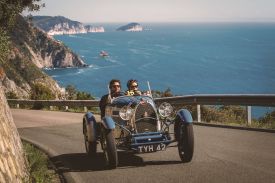

A 600km cavalcade of classic cars roaring through Italy’s Motor Valley, Tuscan hills, and coastal gems – Terre di Canossa is where motoring nostalgia meets Michelin-starred indulgence and la dolce vita.
read more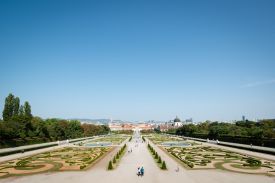
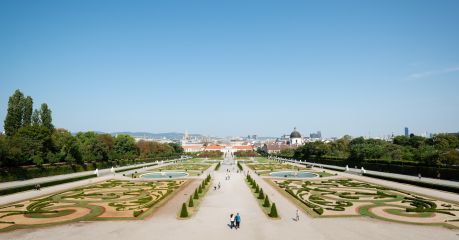
Founded in 1754 by Empress Maria Theresa, the oldest area, the medicinal garden, is replete with poisonous plants and the sultry tropical house is home to orchids, cacti and carnivorous plants.
read more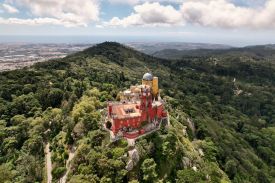
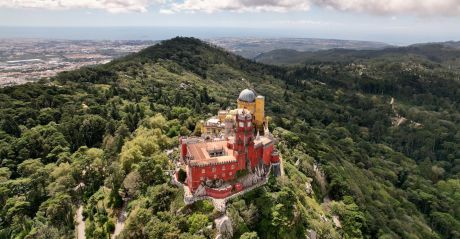
Travel to Portugal's fairytale den of Sintra, just outside Lisbon, for a world full of rolling hills and castles, once referred to by Byron as "glorious Eden".
read more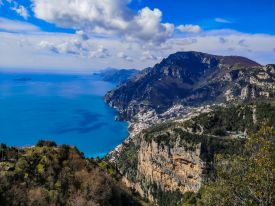
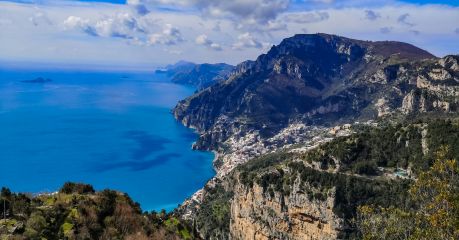
Amalfi and the Path of the Gods - Sentiero degli Dei is magical, an easy, two-hour amble for mortals like us, spy the Amalfi Coast’s breath-taking UNESCO World Heritage site in all its glory from a lofty, God-like height, tracking the path from Agerola’s Bomerano near Amalfi to Positano’s pause-worthy Nocelle.
read more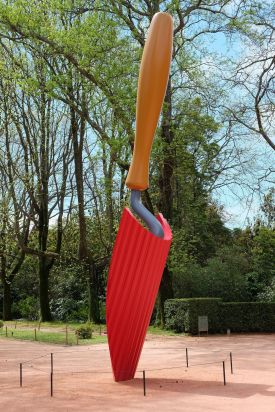
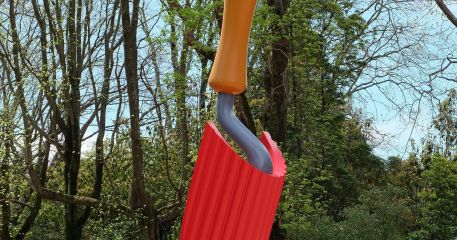
Porto for culture seekers - we explore the Serralves Foundation comprising of a dusty pink 1930-40s’s Art Deco villa designed by Porto architect José Marques da Silva, a landscape-specific contemporary museum designed by Álvaro Siza.
read more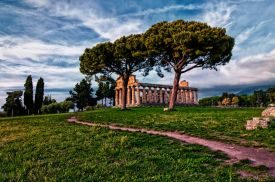
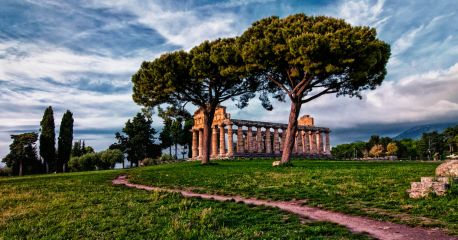
Paestum Temples in Southern Italy is one of those ancient antiquities that you have to visit – this UNESCO World Heritage Site in Cilento Campania is a treasure trove of ancient Greece including three of the world’s best-preserved temples.
read more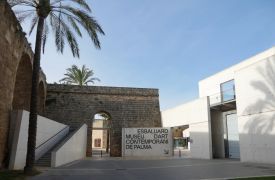
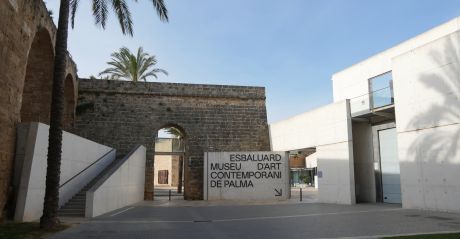
Es Baluard holds more than nine hundred works inside Palma's Renaissance walls, from Anglada-Camarasa to Miró and Barceló, with the bay laid out below.
read more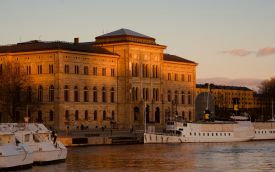
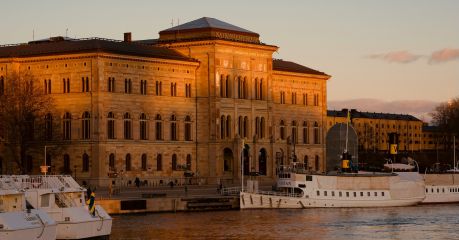
Stockholm - Culture fans are set to be thrilled when Stockholm's Nationalmuseum finally re-opens this Autumn after a 5 -year renovation. Founded in 1792 by a very generous King Gustav III, Stockholm’s Nationalmuseum is one of the oldest public museums in the world, and their booty spans hundreds of years of European art.
read more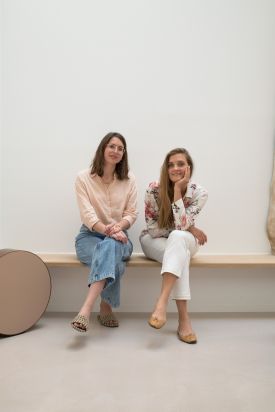
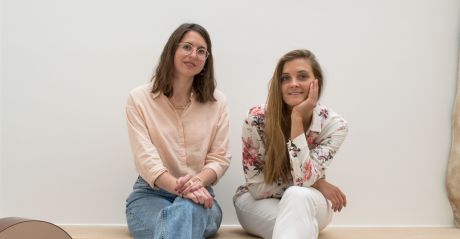
Just off Rue des Martyrs in Paris, in the 9th arrondissement, Zeuxis Contemporary Art Gallery created by Amélie du Chalard is the Maison d'Art Amelie - a showcase for paintings, engravings, sculptures, photographs, videos and works of art set within a magnificent apartment.
read more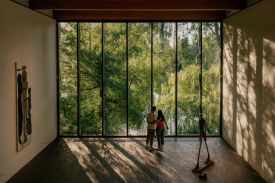
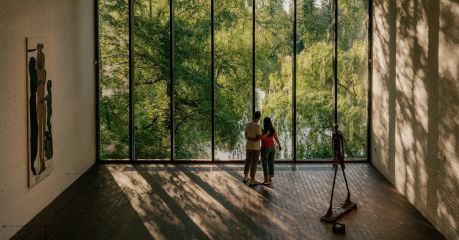
Where modern art meets coastline and clarity, Louisiana Museum of Modern Art turns a museum visit into a coastal walk, framing global creativity through architecture, light and landscape.
read more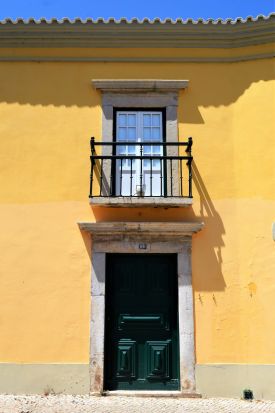
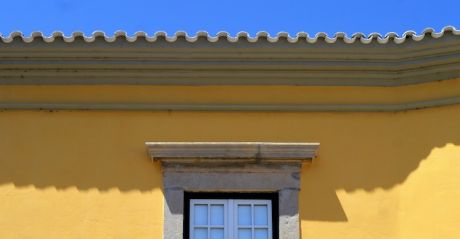
Faro is the gateway to Portugal's Algarve but don't be tempted not to visit this wonderful medieval port and culture stuffed city dating back to the 8th Century.
read more
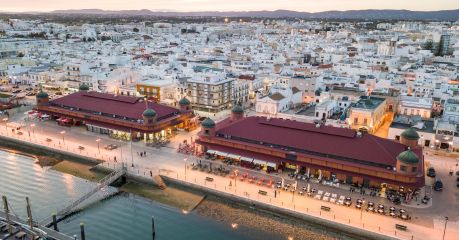
The small port of Olhão, in the unspoilt eastern backwaters of the Algarve, has been famed for fishing since Medieval times, but these days the charming, sun-faded town close to Faro attracts a bohemian crowd for its slow pace of life and fabulous natural beached islands.
read more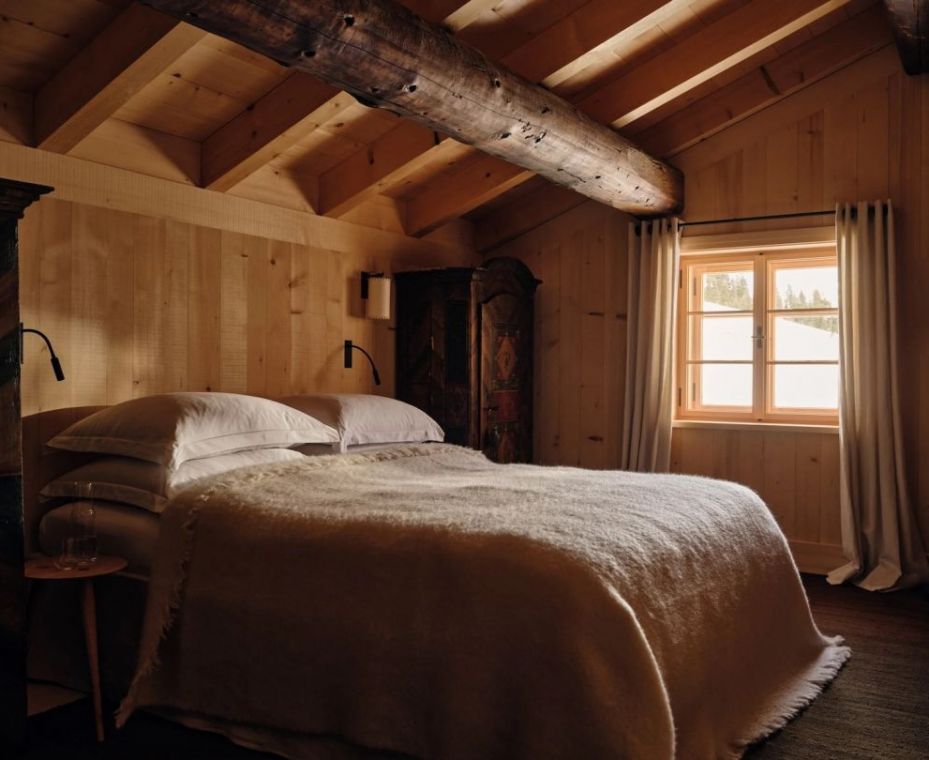
Get the insider news and lowdown on what we've been up to, where we've been, and who we've met along the way. Be the first to discover new places and get the scoop on our favourites.