JOIN the AFICIONADOS
Get the insider news and lowdown on what we've been up to, where we've been, and who we've met along the way. Be the first to discover new places and get the scoop on our favourites.

The natural skincare makers we actually use: six founder-led, plant-first houses, from a Somerset farmhouse to a Tuscan estate, that the best boutique hotels stock and we keep on our own shelves.
Six makers, six countries, one shared refusal to choose between what works and what is good for the planet. Commune in Somerset, Soeder in Zurich, Seed to Skin in Tuscany, Red Flower in New York and Vinoble in the Austrian vineyards. Each is independent and founder-led, each formulates between 98 and 100 per cent naturally, each treats the packaging as seriously as the product, and each has earned its place in the spas and suites of the hotels we cover. The bathroom shelf is the last honest room in the house. These are the names we keep there.

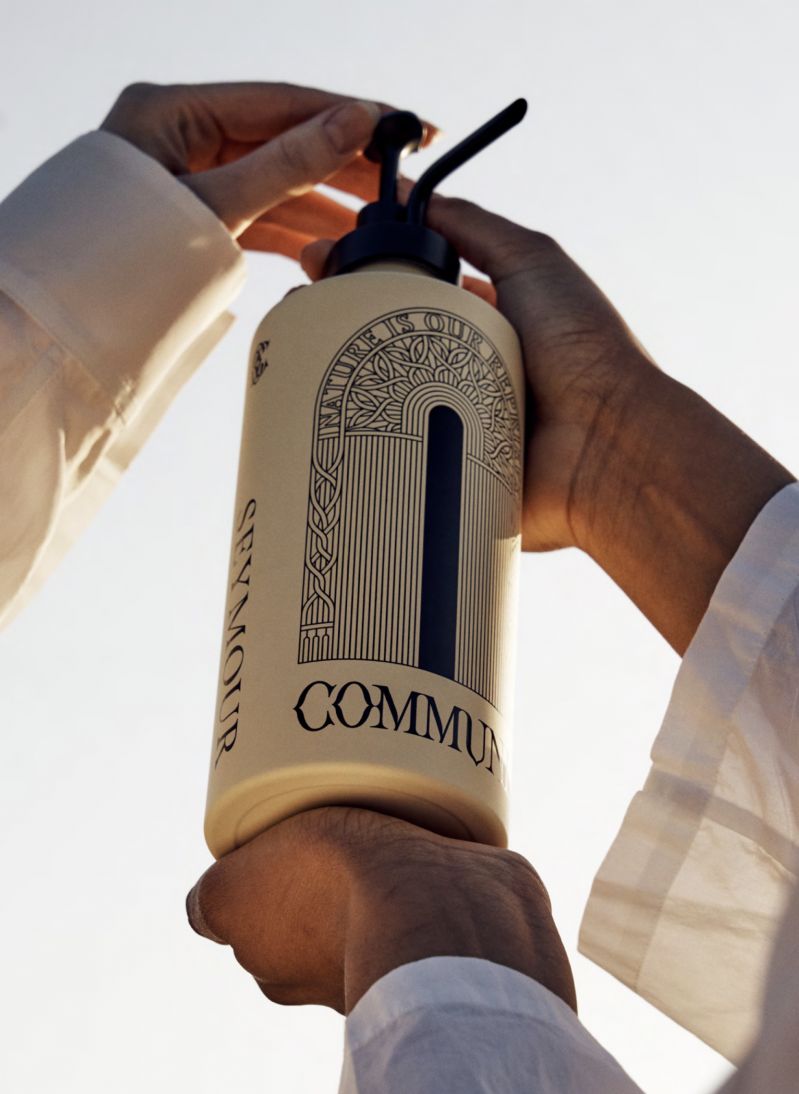
Bruton has galleries where it once had only fields, and Commune fits the new Somerset to perfection: a husband-and-wife house (Kate Neal, late of luxury fashion and natural perfumery; Rémi Paringaux, of creative direction and publishing) making body and hand care that is 99 per cent naturally derived and made in the UK. The signature scent, Seymour, opens with grapefruit and lemongrass, then settles into hiba wood and cypress. Everything arrives in endlessly recyclable aluminium with a reusable pump, the sort of detail that reads as restraint rather than gimmick. Stocked at Harrods, SSENSE, Goop and Estelle Manor, and best met in person at the Bruton flagship. Read the full Commune story.
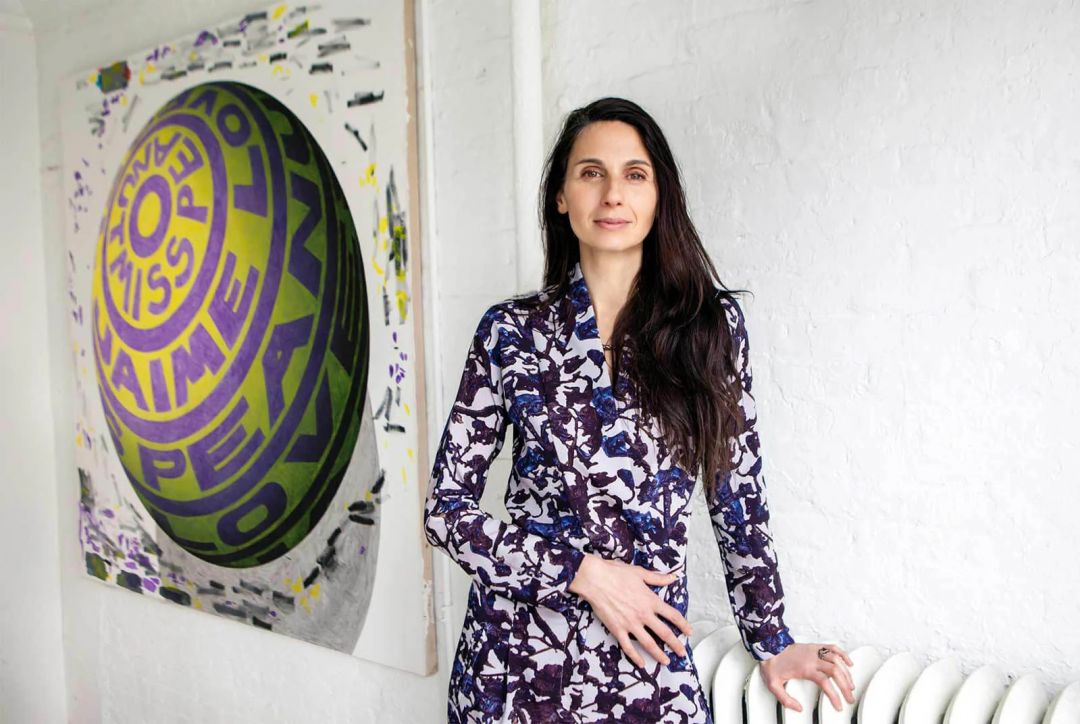
The original slow-beauty house. Yael Alkalay founded Red Flower in New York in 1999, long before clean beauty had a marketing department, and still makes everything in small batches at her Tribeca facility: triple-milled bar soaps, velvety body balms and concentrated botanical serums built on Icelandic moonflower, French lavender and Japanese peony. The ingredients are biodegradable, biocompatible and all-natural; the philosophy is patience over instant gratification. The new Around-the-Clock collection (Gamma Vapor Mist, Night Flower Butter Balm, Aromatherapeutic Midnight Oil) runs from morning to night. If the scent feels familiar, you may have met it already in the showers of The Greenwich Hotel, where it is woven into the fabric of the place. Read the full Red Flower story.
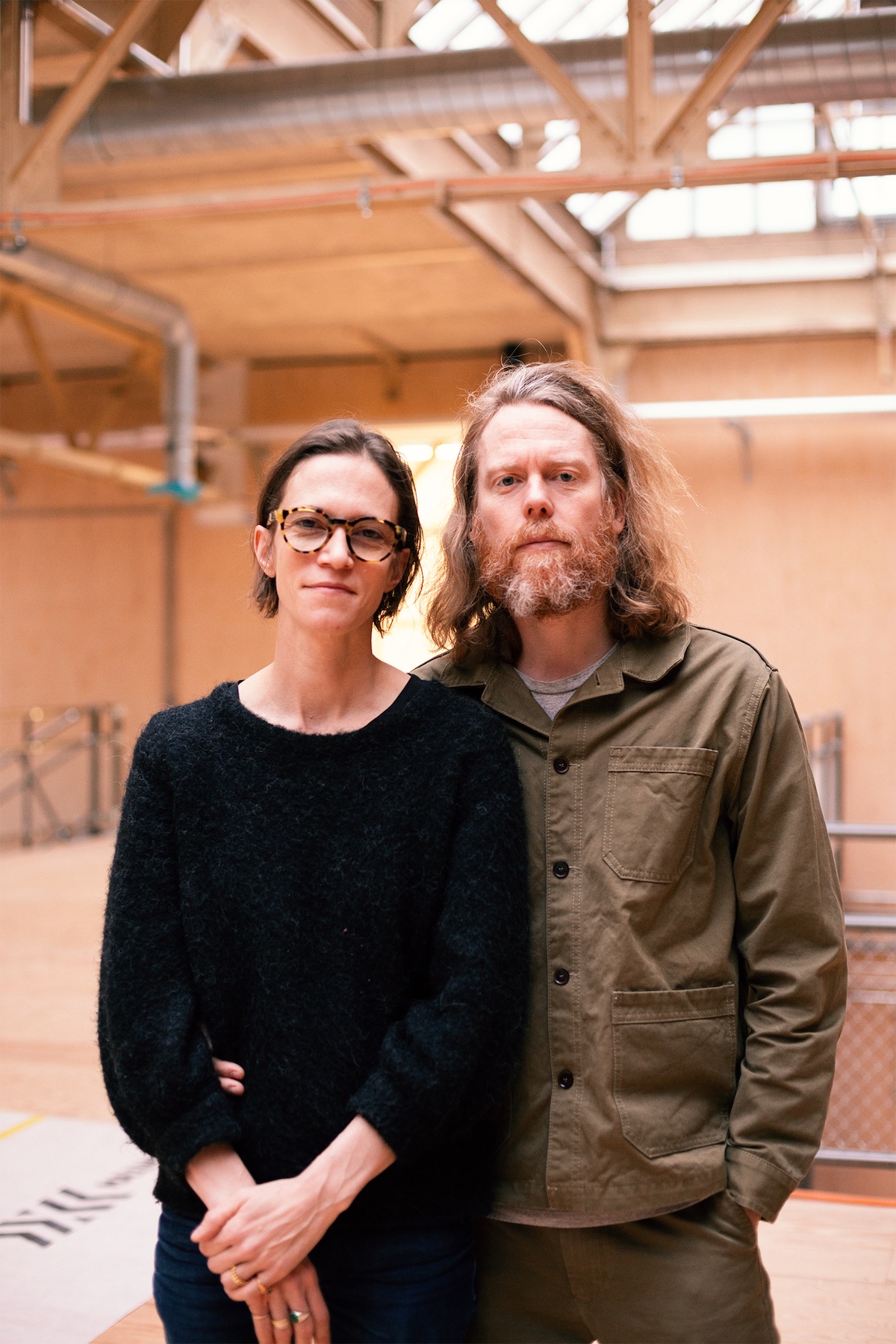
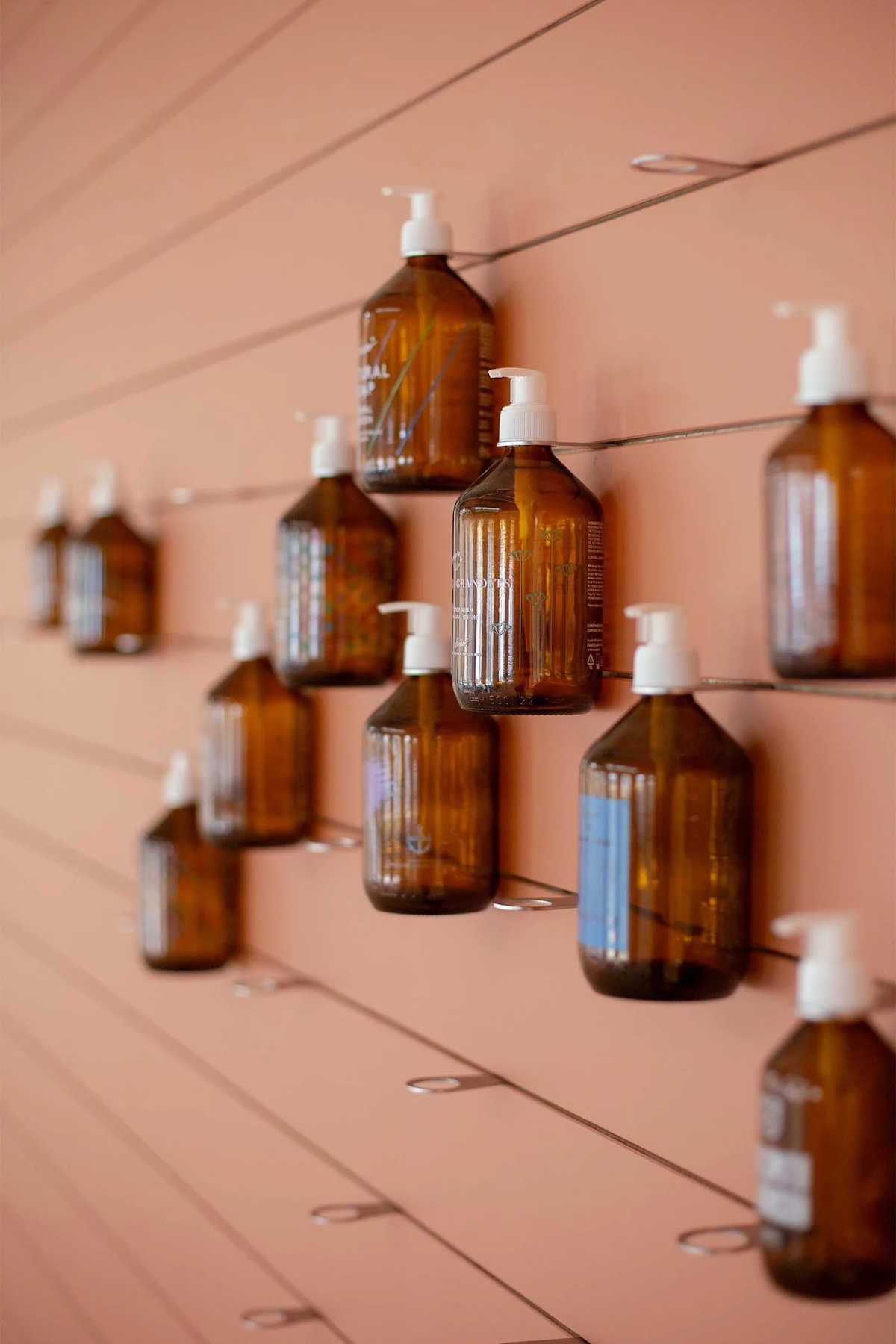
The most fun you will ever have reading an ingredients list. Founded in 2013 by Hanna and Johan, simply because the soap they wanted did not exist, Soeder now makes everything by hand at Halle Q, a former railway workshop in Zurich, from 100 per cent natural ingredients: Swiss honey, wheat protein, cold-pressed oils. It is biodegradable, refillable at more than 130 stations across Switzerland, and when plastic is unavoidable, the bottle is made from 60 per cent recycled marine waste. The scents run from Herbal Garden to Black Pine. There is a soap vat affectionately named Monster. You can watch your shampoo being made through the window, which tells you everything about how little they have to hide. Read the full Soeder story.
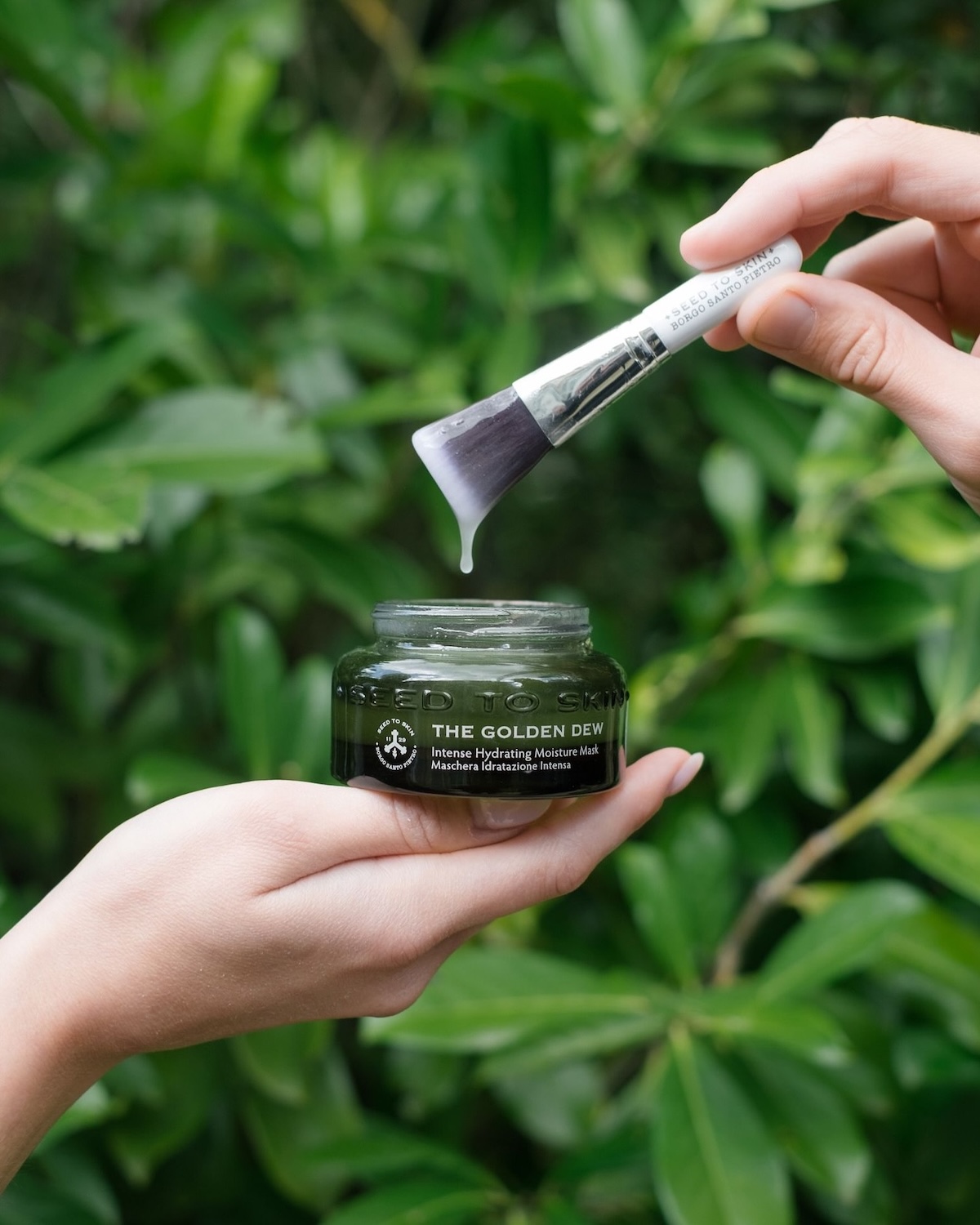
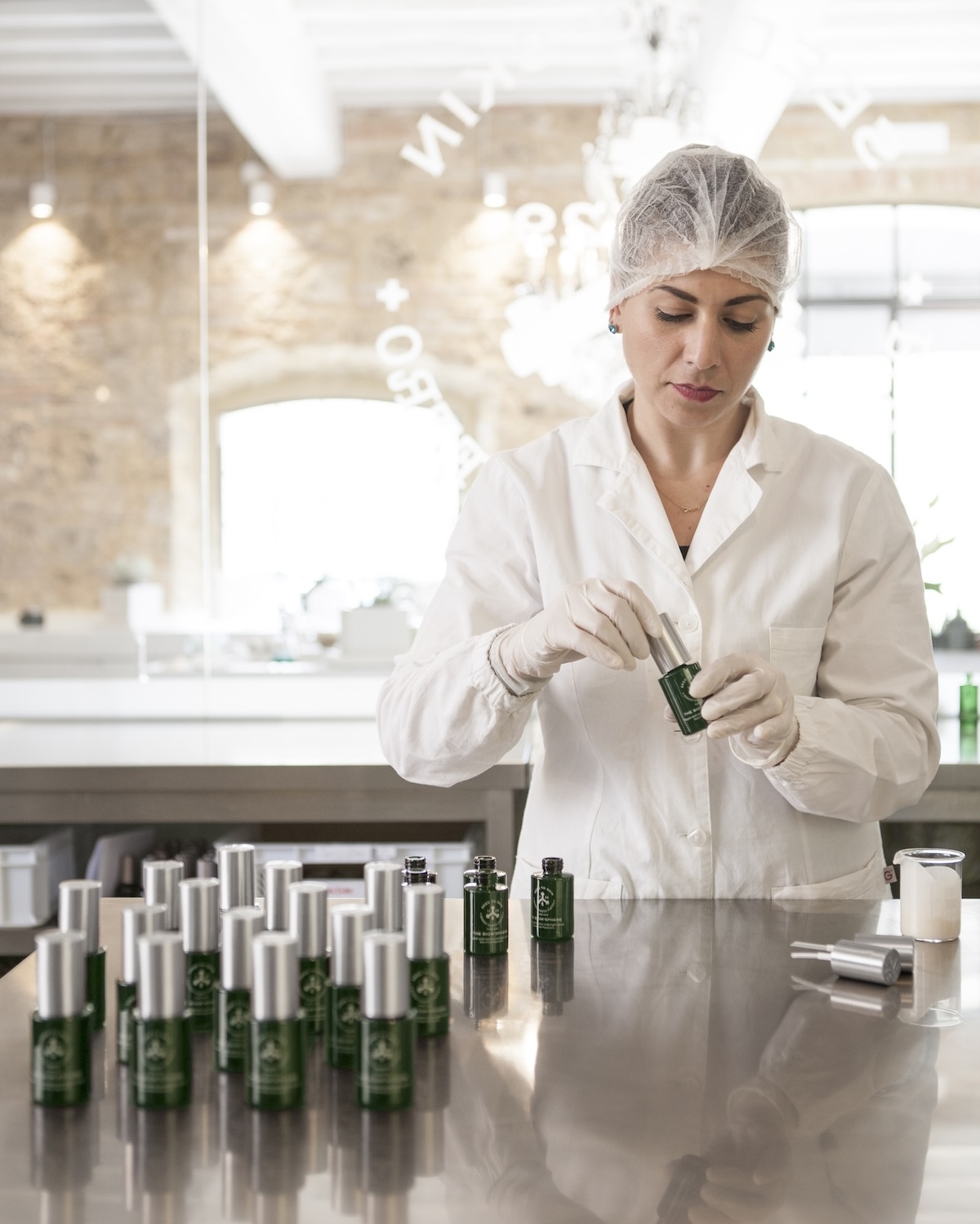
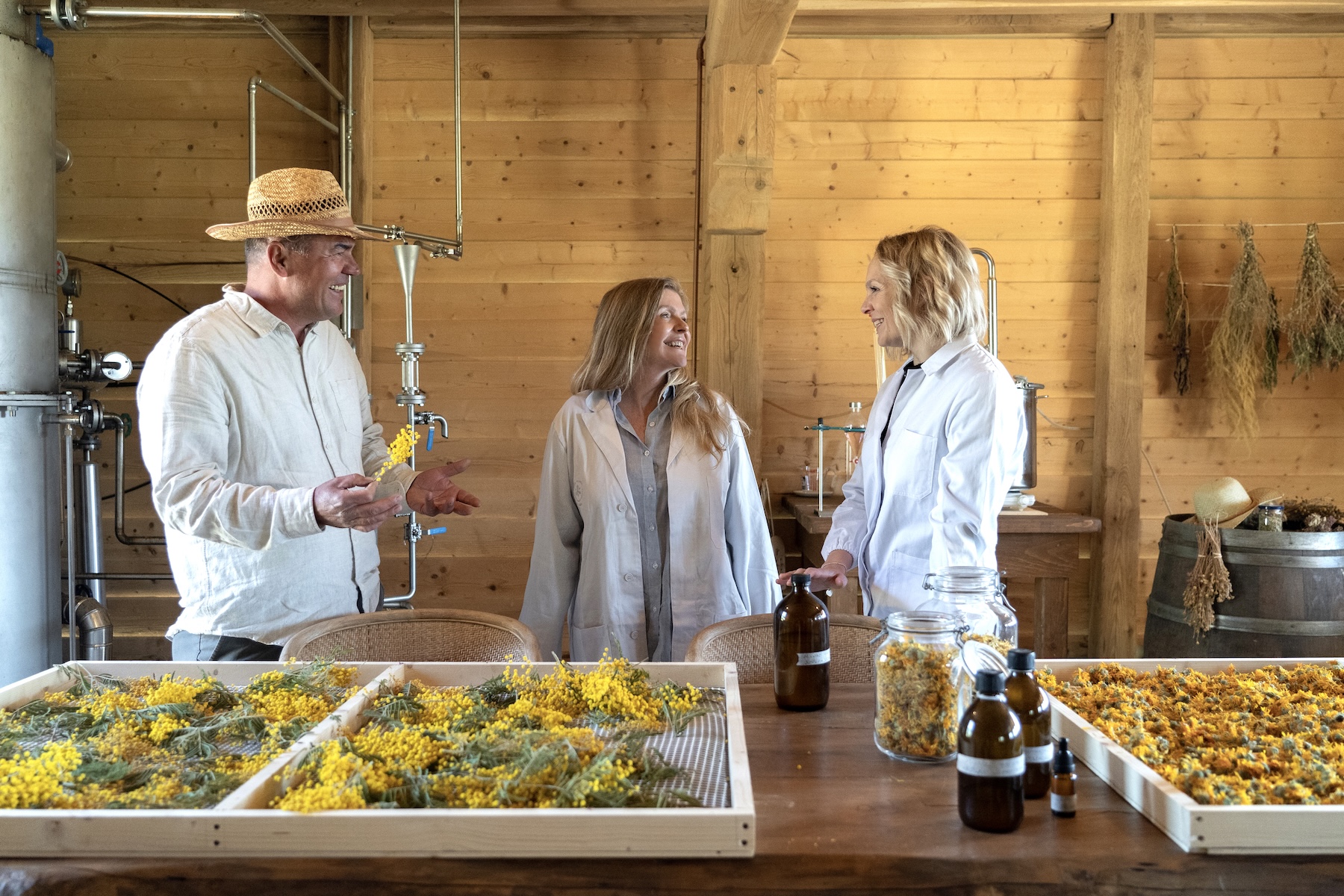
The rigorous one. On a 300-acre organic estate at Chiusdino in the Sienese hills, the Danish former fashion designer Jeanette Grøn Thottrup grows the brand before she formulates it: lavender cut at first light, marigold, wild mint, a stillhouse drawing oils from petals the slow way. Her scientific partner, Dr Anna Buonocore (Pharmacy and Cosmetic Science, University of Siena), turns all of it into what they call Green Molecular Science, using fermentation and micro-encapsulation so that each ingredient reaches the skin in its most bioavailable form. Everything is handmade on-site and assigned its own batch number. The Black Magic mask smells improbably of chocolate; the Midnight Miracle oil does its quiet work overnight. Found in the spas of Mandarin Oriental and Passalacqua, which is the company it keeps. Read the full Seed to Skin story.
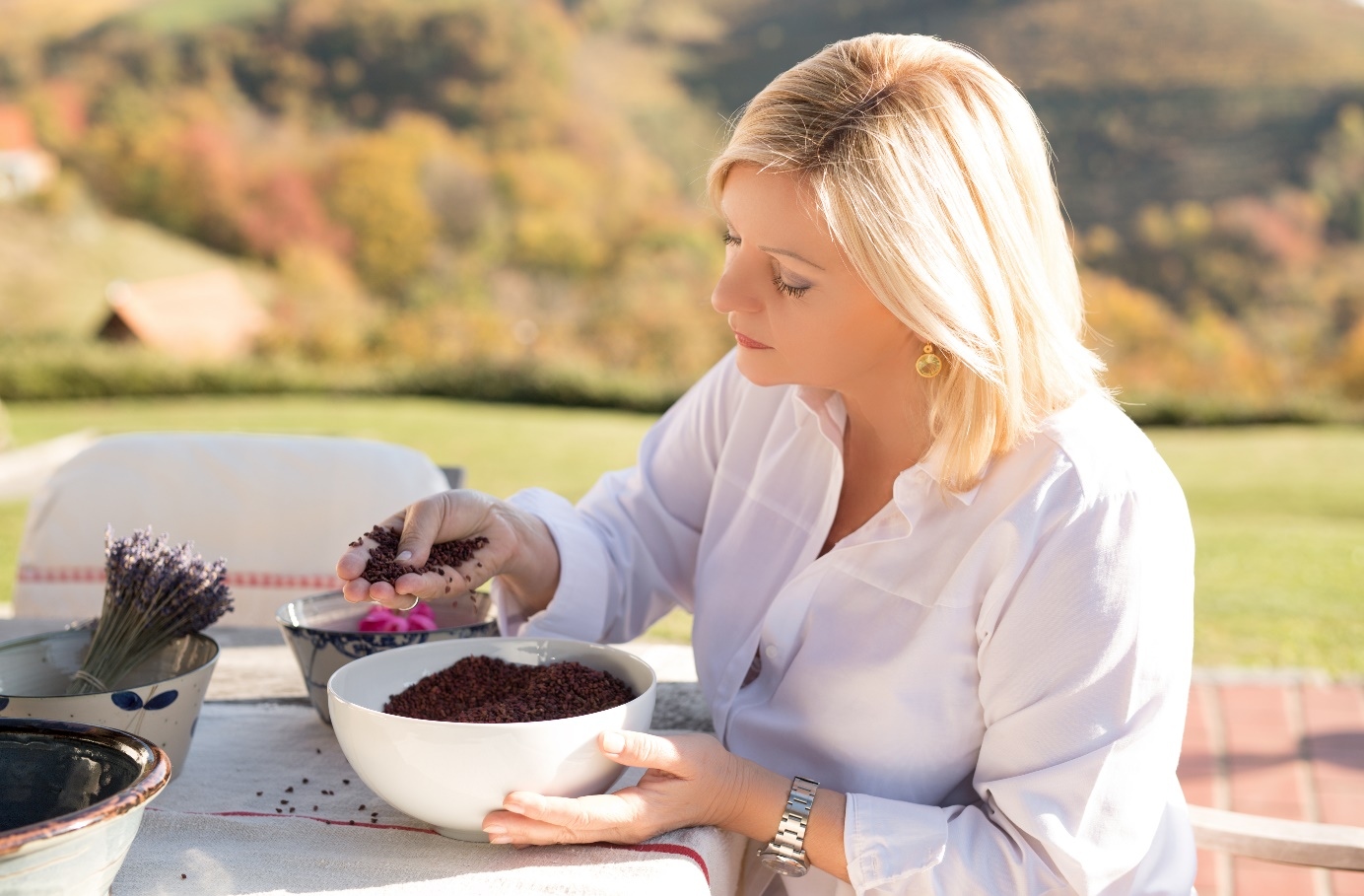
Vinotherapy, done properly. Luise Köfer founded Vinoble in 2003 in the Austrian vineyards, reasoning that the grape, all polyphenols and antioxidants, was a powerhouse for the skin as much as for the cellar. The brand pairs those botanical extracts with skincare science, grape stem cells among them, and the now-expected credentials: ingredients sourced with integrity, cruelty-free across the board, low-impact packaging. The luxury spas found it quickly, the L'AND Hotel & Spa in Portugal's Alentejo among them. Beauty, the argument runs, need never come at the planet's expense. Read the full Vinoble story.
What binds them is not a scent or a season but a position: that a thing can be beautiful, effective and responsible at once, and that the proof belongs on the skin rather than on the label. Stock all six and your bathroom starts to read like a small, well-edited cellar.
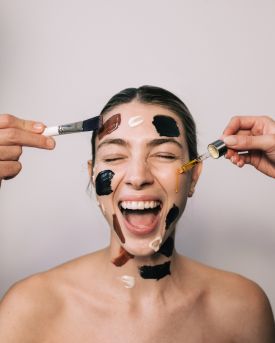
A 300-acre Tuscan wilderness of herbs, fauna and thermal soil. A woman who believed nature, properly understood, could outperform anything a laboratory could invent alone. This is Seed to Skin.
read more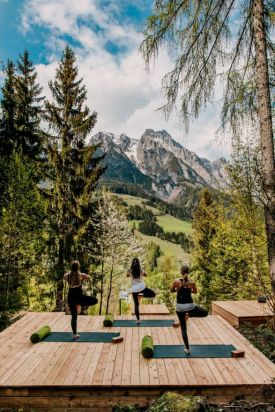
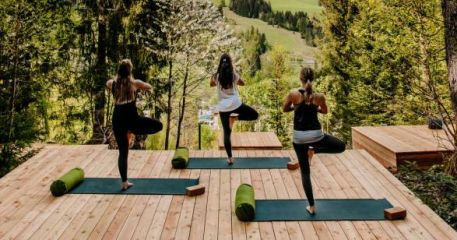
Six spruce yoga shalas built deep in the forest, mountain views and pine silence in place of a soundtrack. Inside Forsthofgut's forest yoga, from Sun Salutations to snow-lit Yin.
read more
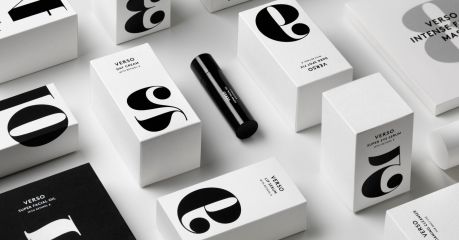
Lars Fredriksson was no stranger to innovative skincare when he developed Verso, a brand that was launched in 2013. Minimising skin exposure to unnecessary ingredients, Verso’s products are high quality and add easily to everyday life.
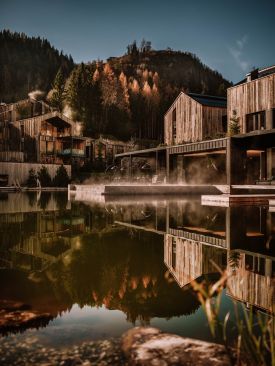
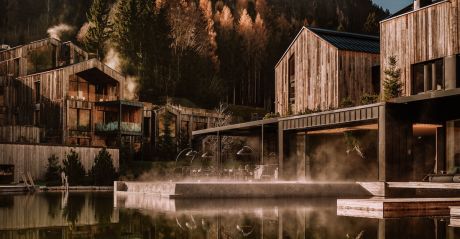
Wellness and the Alps have always been inextricably linked due to the abundance of fresh mountain air, crystal clear water and the proximity of nose-tingling pine forests.
read more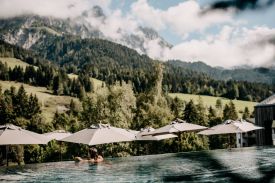
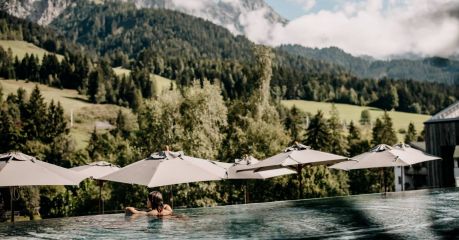
The perfect summer pairing must be spa and hike – and where better to indulge than in a luxury retreat hotel clasped in the alpine mountains framed by snow-dusted peaks.
read more

Natural beauty guru Yael Alkalay founded Red Flower in NYC in 1999, an environmentally and socially responsible beauty product, infused with aromatherapy and botanicals.
read more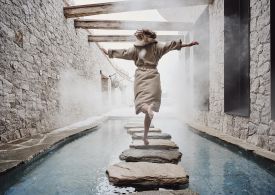
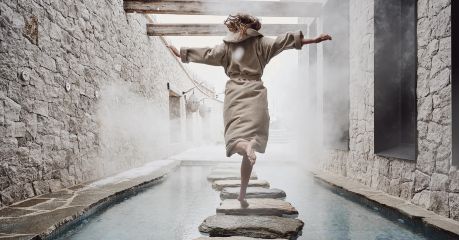
Driftwood, spring water and elemental heat. Engel Spa is a raw Alpine hideaway where design restores and nature recalibrates. This is wellness with altitude and intention.
read more
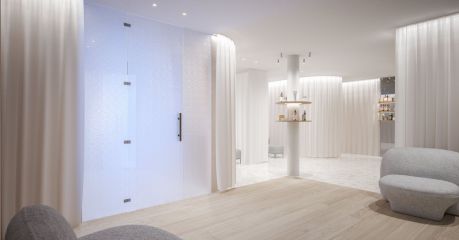
Cryotherapy at minus 110°C, metabolic diagnostics and breathwork in the pine groves. Inside waldSPA Health, Naturhotel Forsthofgut's new longevity concept, built on four pillars: Roots, Strength, Breath, Mind.
read more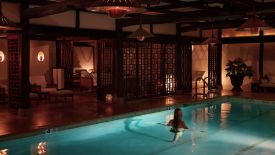
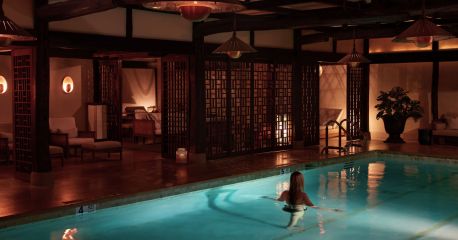
Manhattan goes minimalist. Hidden in The Greenwich Hotel, Shibui Spa channels Japanese Onsen rituals, ancient bodywork and luxury healing in a space built from 250-year-old temple wood.
read more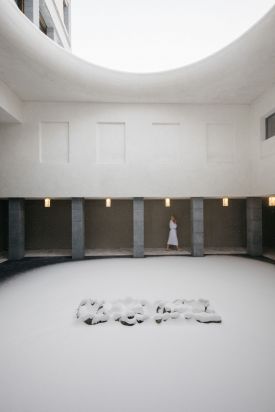

A spa sanctuary of raw architecture and rooted calm — MAISTRA 160 in Pontresina cocoons guests in an elemental world of stone, steam and alpine air, where design becomes a healing ritual.
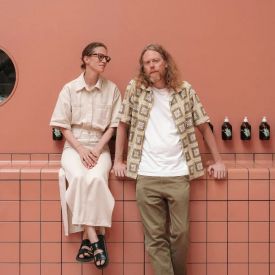

Soap gets sexy in Zurich. Soeder’s factory is all sunshine, terracotta and stainless steel, where natural ingredients and serious design go hand in hand. Skin-loving, soul-filling, refill-ready.
read more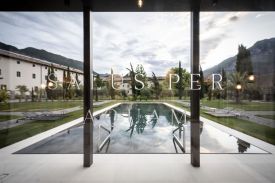
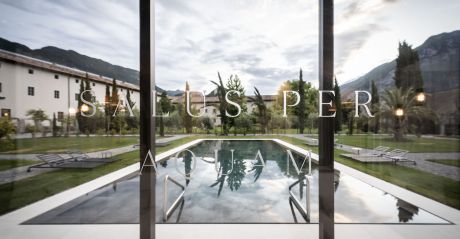
A design-led spa near Lake Garda, where monastic calm, minimalist architecture and garden rituals converge within the cloistered sanctuary of Monastero Arx Vivendi in Arco, Trentino.
read more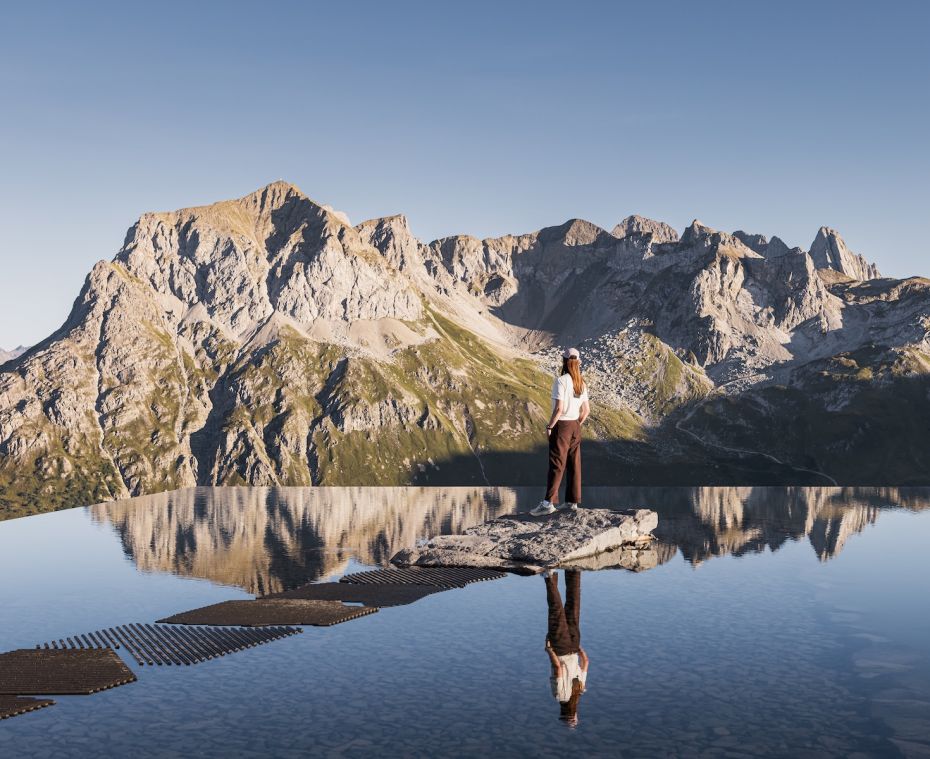
Get the insider news and lowdown on what we've been up to, where we've been, and who we've met along the way. Be the first to discover new places and get the scoop on our favourites.