JOIN the AFICIONADOS
Get the insider news and lowdown on what we've been up to, where we've been, and who we've met along the way. Be the first to discover new places and get the scoop on our favourites.

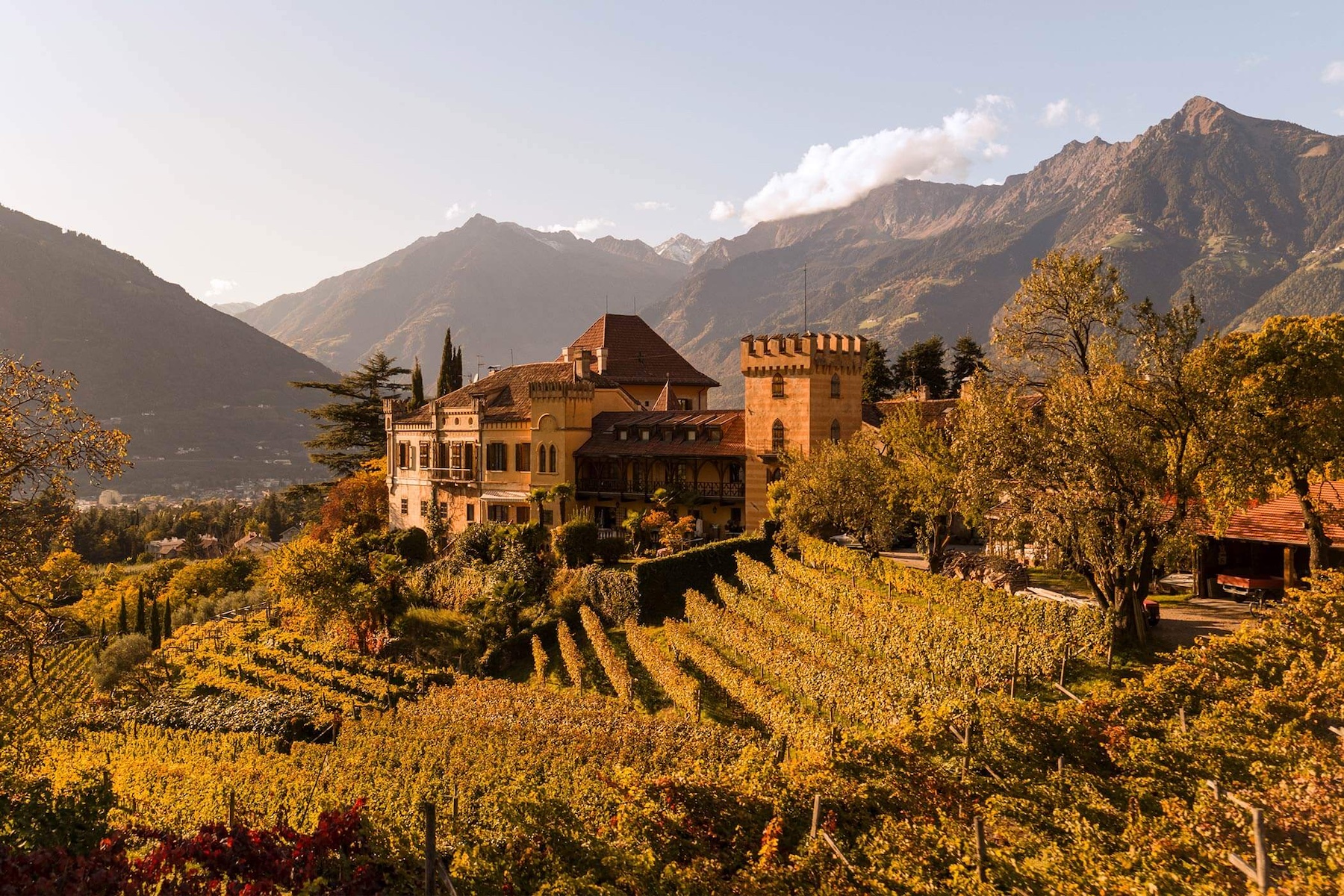
Merano – or Meran, as the locals in Südtirol would say – is a place where climates converse. Here, a subtropical breeze finds its way through Alpine passes, warming palm-lined promenades and coaxing wisteria into bloom against a backdrop of snow-tipped peaks. The light has a softness that belongs to the south, yet the air carries the clarity of the high mountains. Located at 325 m elevation, Merano sits in the Adige Valley and serves as the entrance to the Passeier and Vinschgau valleys, surrounded by mountains rising to 3335 m. It is a geography of contrasts, and an atmosphere that artists, aristocrats and aesthetes have sought for centuries.
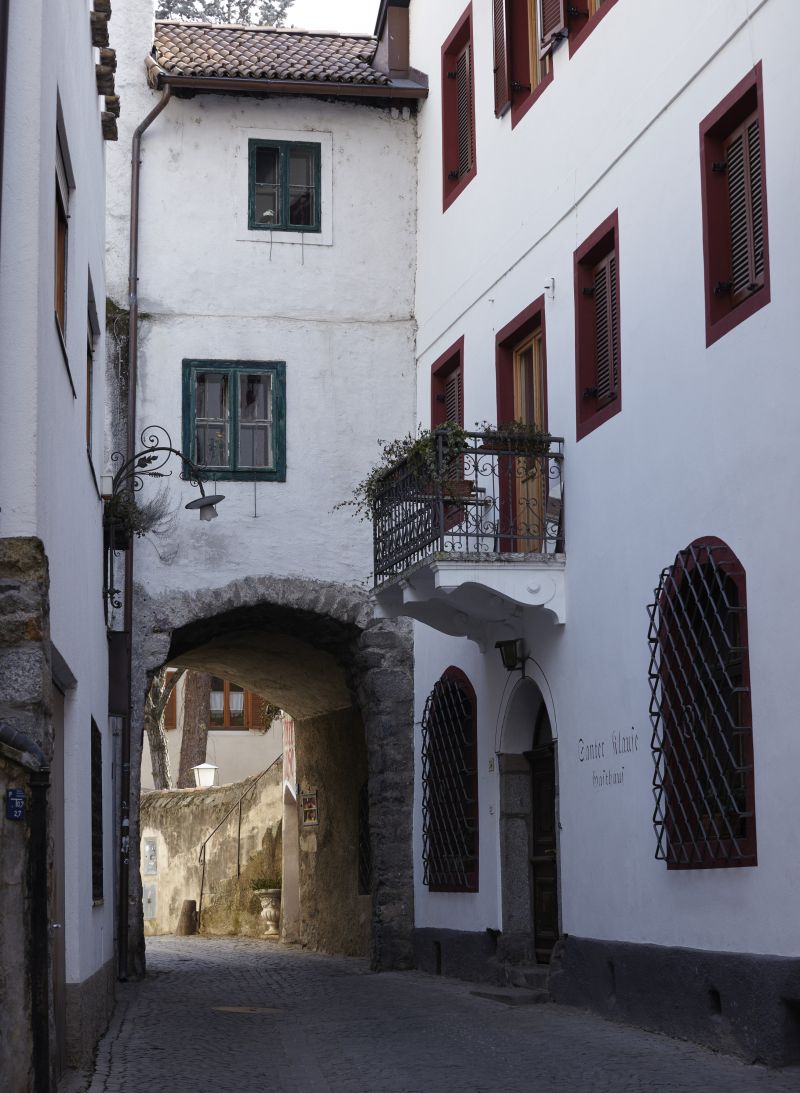
This is a city of many tongues and layers. Italian and German, Gothic and Jugendstil, medieval arcades and contemporary glass. Begin in the Via dei Portici / Laubengasse, a 400-metre ribbon of 13th-century arcades that shelters boutiques and bookshops. Here, facades shift in style and colour as you walk, ending at the Gothic presence of St Nicholas’ Church with its rose window and sundial tower. The medieval gates – Vinschgauer, Passeirer and Bozener – still stand as sentinels, each with its own coat of arms and whisper of the city’s past as the Tyrolean seat of power.
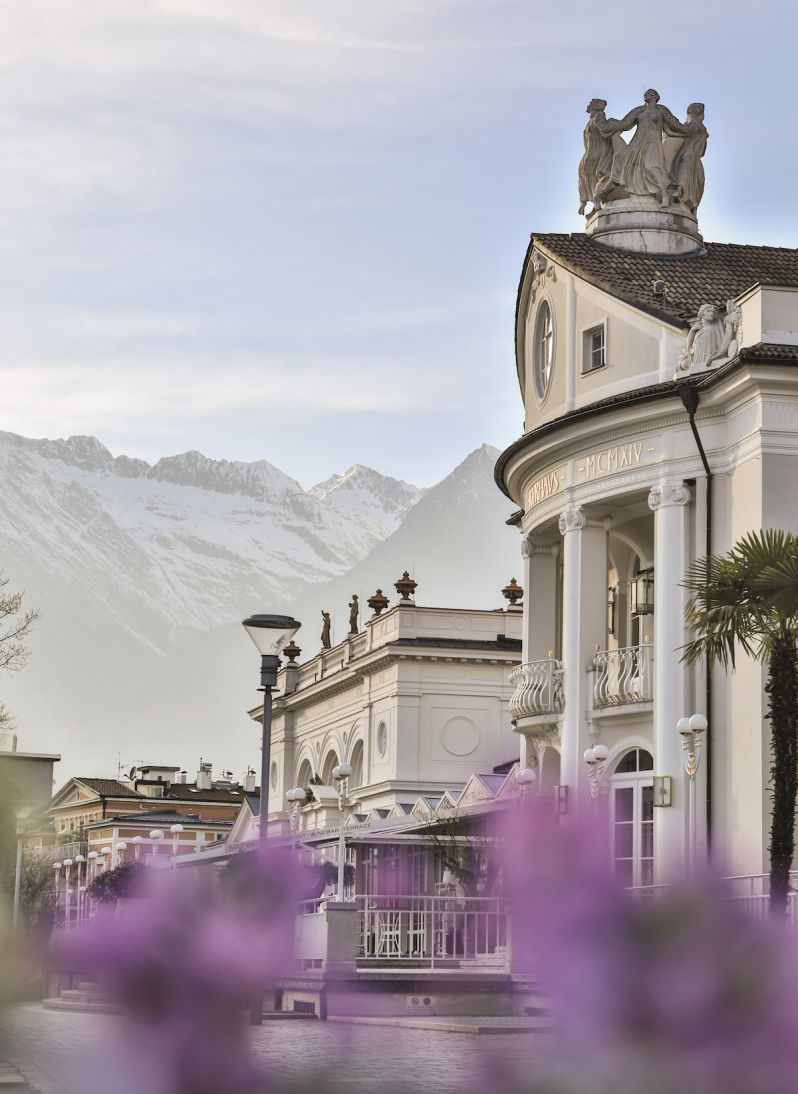
The Habsburg imprint remains vivid. When Empress Elisabeth of Austria made Merano her refuge in the late 19th century, the town bloomed into a Belle Époque spa resort. The Kurhaus, built in 1874 and expanded by Friedrich Ohmann in 1912, is its grandest inheritance – a neoclassical-meets-Art Nouveau confection of porticos, allegorical statuary and frescoed salons. Promenades like the Passer and Tappeinerweg were designed for the leisure of Europe’s aristocracy, weaving gardens, river and views into a daily ritual.
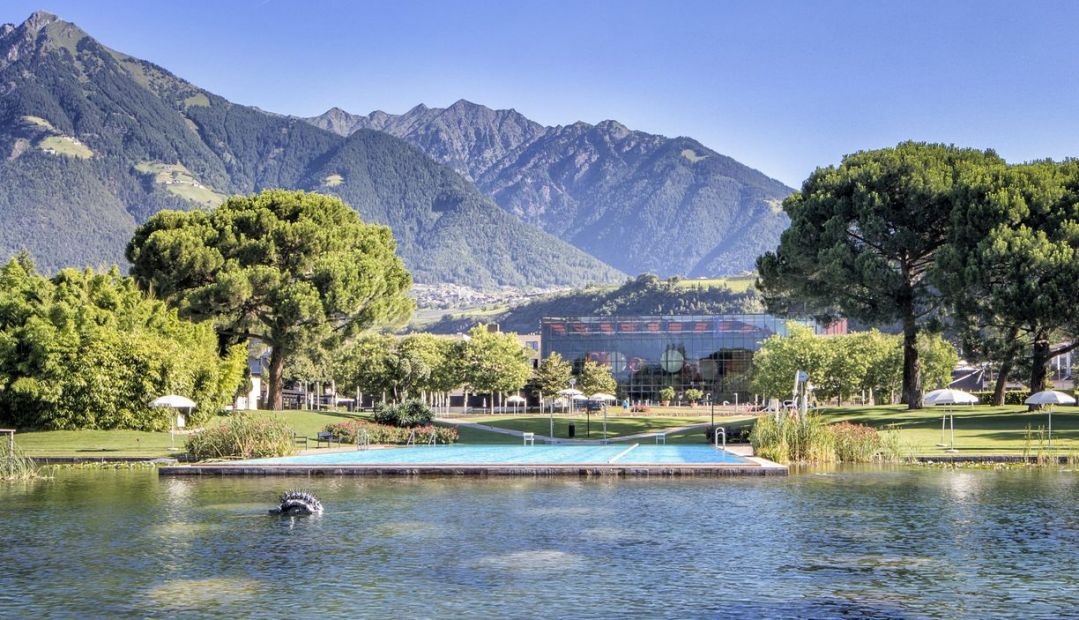
Yet Merano is no museum. Its contemporary layer is just as compelling. Terme Merano, with clean-lined modernist pavilions by Matteo Thun, reflects a South Tyrolean knack for combining wellness with architectural precision. Castel Trauttmansdorff’s botanical gardens extend from Mediterranean terraces to alpine slopes in an amphitheatre of global flora, linked by the Sissi Walk back into town.
Beyond the walls, vineyards and apple orchards ripple towards the valley floor. Wines like Meraner Leiten speak of sun and slope, while the region’s apples are crisp ambassadors of the land’s agricultural rhythm. In the evenings, cultural calendars brim: Asfaltart, MeranOJazz, the Meraner Musikwochen, and the Christmas markets that glow against the winter chill.
Stay awhile. Our own curated selection of the best places to stay in Merano and surrounds brings together riverside villas, heritage hotels and hillside retreats – spaces that carry the same quiet confidence and cultivated style as the city itself.
Merano is also a perfect springboard for its neighbouring gems:
Obermais / Maia Alta with leafy boulevards; the rustic quarters of Quarazze / Gratsch and Sinigo / Sinich; Nalles / Nalsand Naturno / Naturns with their vineyard slopes; and alpine hamlets that punctuate the approach to the Passeier and Vinschgau valleys.
Merano / Meran is a composition in climate, culture and craft – an Alpine town with a Mediterranean soul, best experienced at a walking pace, ideally with the light just beginning to change.
Villa Fluggi - a fabulous retro-design, five bedroom holiday home of smooth vintage in Merano, this design vacation-rental is gorgeous, a luxury haven dotted with thoughtful mid-century design pieces, layered with love.
Steinach Townhouse - for lovers of that perfectly curated menagerie of style, good taste, careful heritage and thought-provoking artwork, this is your soft urban pitstop of smart Dolce Vita.
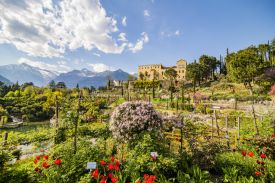
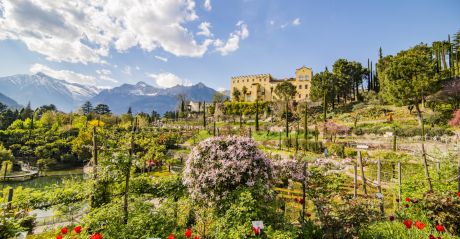
Dating back to the 13th century, Merano’s botanical gardens at Trauttmansdorff Castle explore the Mediterranean and Alpine garden, including a Sun Garden with olive groves (including a 700-year-old Sardinian specimen), fig trees, citrus trees and a semi-desert cacti garden.
read more
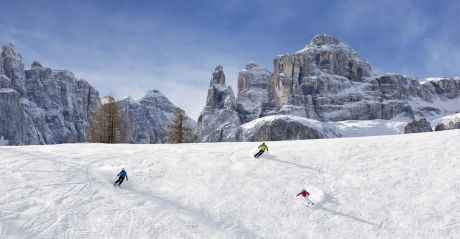
As The New York Times, The Guardian, and international travel sections begin to fill up with articles about winter getaways, we’re going to throw our recommendation into the mix. Tried and true, Alta Badia, on the border of Austria and Italy, offers unparalleled winter sports, relaxation, and cuisine.
read more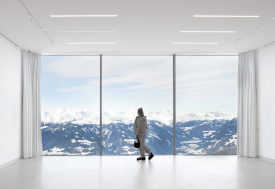
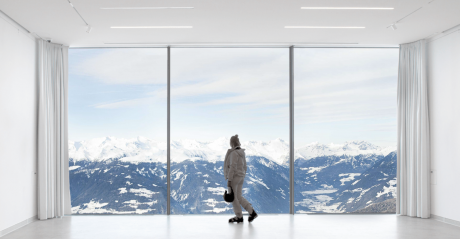
If you like your ski resort with a side serving of efficiency, you’ll love Kronplatz, also known as Plan de Corones, located in the breath-taking UNESCO World Heritage site of the Dolomites.
read more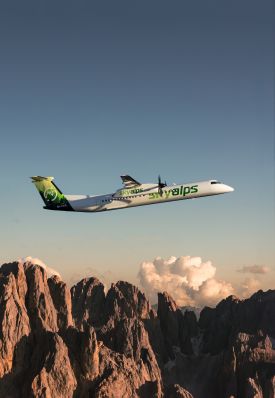

Get straight to the heart of the action with a new SkyAlps ski flight that lands directly from London, Antwerp, Billund, Copenhagen, Berlin, Dusseldorf, and Hamburg into Bolzano, the alpine capital of South Tyrol and perfectly placed for ski escapades in the UNESCO protected Dolomites.
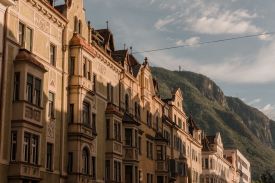
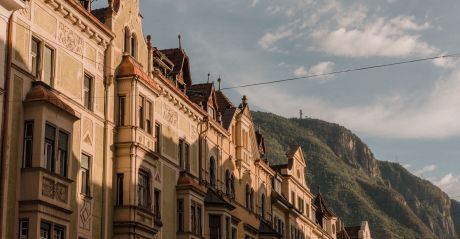
From its cultural heart to the altitudinous pleasures it offers, we put Bolzano in the headlights to explore its heritage core, architectural merit, stylish stays, foodie forays and more.
read more
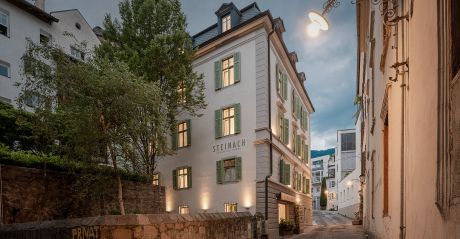
For lovers of that perfectly curated menagerie of style, good taste, careful heritage and thought-provoking artwork, this is your soft urban pitstop of smart Dolce Vita.
read more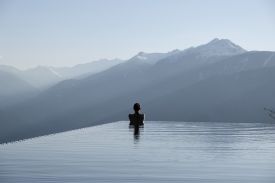
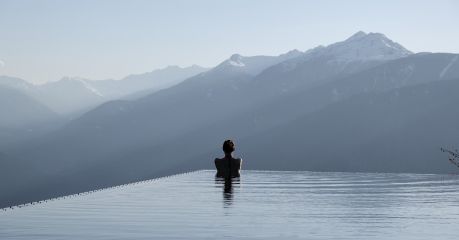
Perched above Merano, MIRAMONTI Hotel & Spa is a boutique Alpine retreat by Klaus and Carmen, where bold design meets South Tyrolean soul, panoramic views and a true sense of place.
read more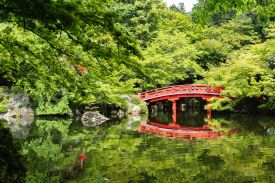
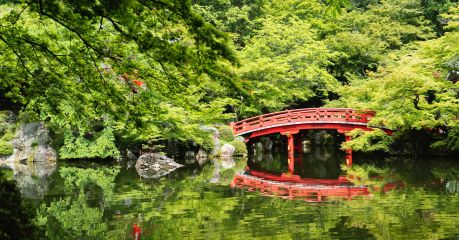
Palm house meandering, the tropics, lost species, history and the perfect green escape in the city - explore these botanical gardens inspired by royals and a love letter to science.
read more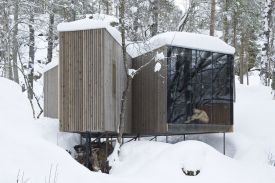
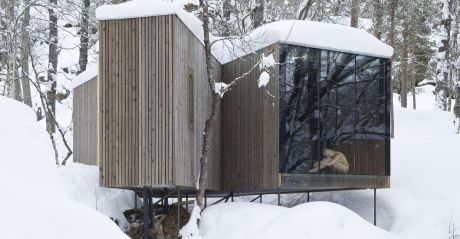
Four cute bastions of style and snuggle up in the duvet sentiments for winter, none of which are in France.
read more
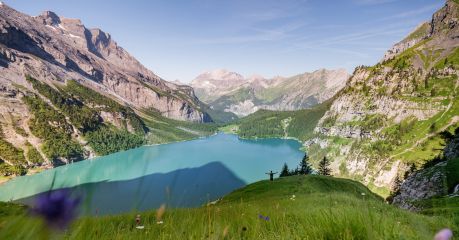
Lose yourself in the wild beauty of Oeschinensee—where glacial waters shimmer, cliffs rise like giants, and the Swiss Alps whisper secrets only the boldest travellers will hear.
read more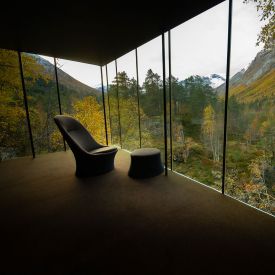
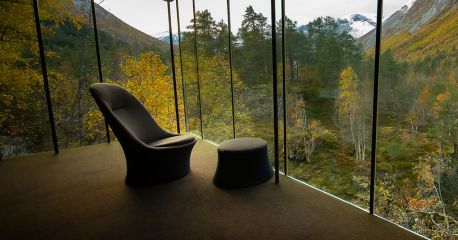
Where wilderness meets radical architecture, soulful stays and culture-led adventures – join us in chasing raw nature, good people and unapologetically beautiful escapes across the wild corners of the world.
read more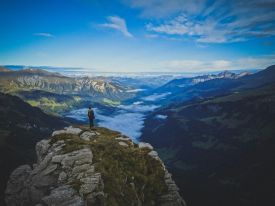
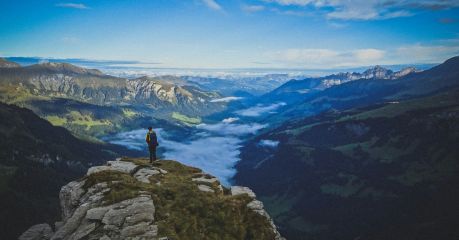
High above Adelboden, three peaks hold the line: Wildstrubel, Lohner and Bunderspitz. This is the Bernese Alps as pilgrimage — elemental, poetic and shaped by silence, not speed.
read more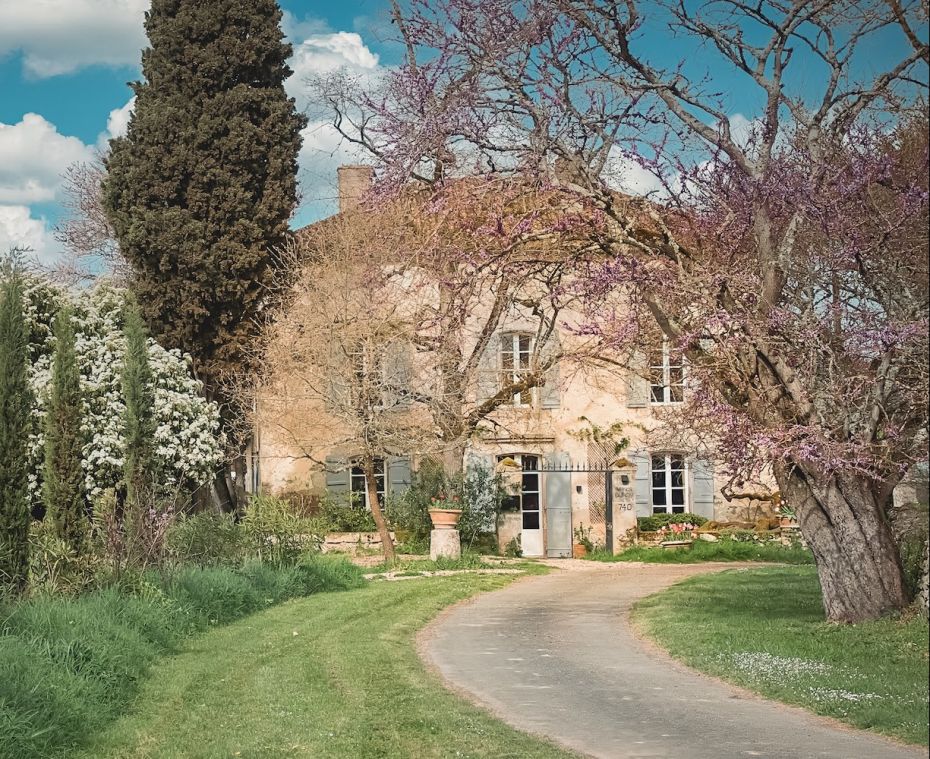
Get the insider news and lowdown on what we've been up to, where we've been, and who we've met along the way. Be the first to discover new places and get the scoop on our favourites.