JOIN the AFICIONADOS
Get the insider news and lowdown on what we've been up to, where we've been, and who we've met along the way. Be the first to discover new places and get the scoop on our favourites.

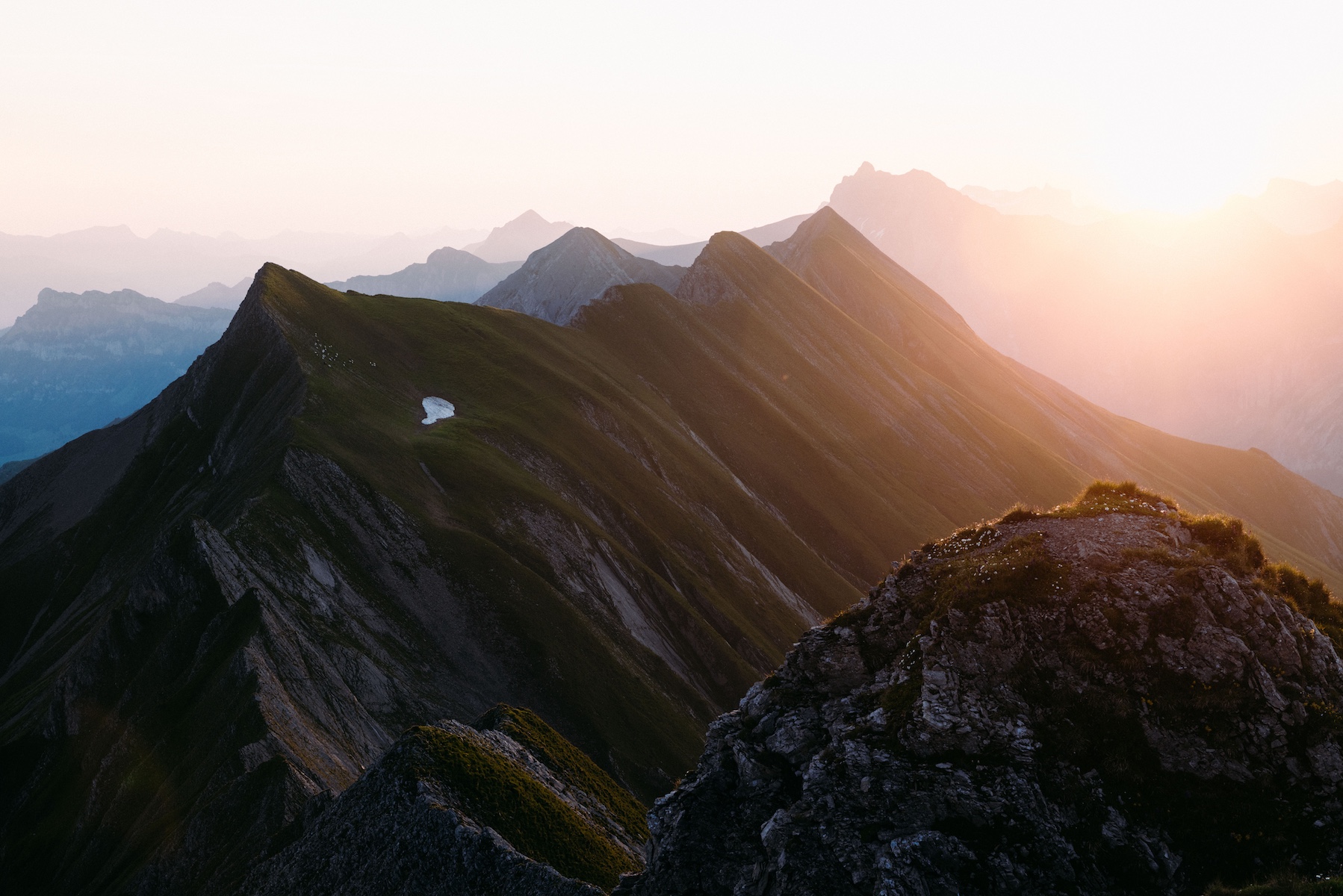
The Bernese Oberland is not short on grandeur. Peaks rise in regimented lines, valleys run deep with glacial memory, and silence feels like a substance rather than a sound. Above the quiet village of Adelboden, three summits mark the horizon in distinct relief: Wildstrubel, the Lohner massif and Bunderspitz. Together, they form a trinity of Alpine presence: vast, serrated and watchful.
Each has its own voice. Each holds a different kind of space. Yet together they define this highland region, offering not only elevation, but a deeper sense of perspective.
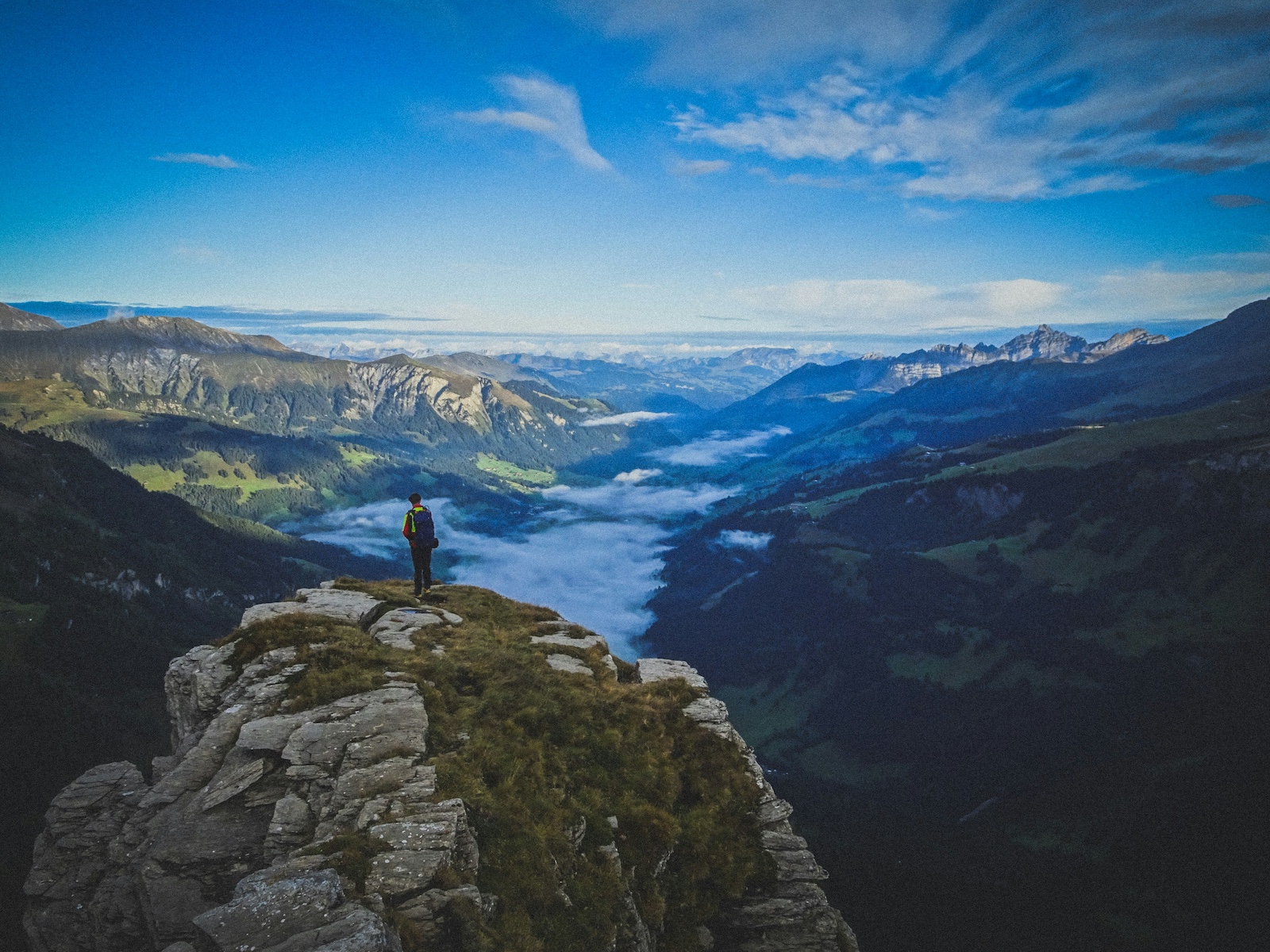
At 3,243 metres, Wildstrubel is the highest of the three. A sprawling mountain rather than a single spike, it spreads across the horizon like a sleeping giant, its crown marked by snowfields and slow-moving glaciers. The summit plateau holds an elemental quiet. Climbers who make the gradual ascent from Engstligenalp or Lenk find themselves walking through changing textures — alpine grass, shale, scree, then ice.
The views are enormous. Valais stretches to the south, the Bernese Alps to the north, and far below, Engstligenalp appears as a fleck of green in a landscape of stone. Wildstrubel does not dominate with sharp angles or jagged heights; it commands instead through breadth and calm. It is the kind of peak that asks you to stay a little longer, breathe a little slower.
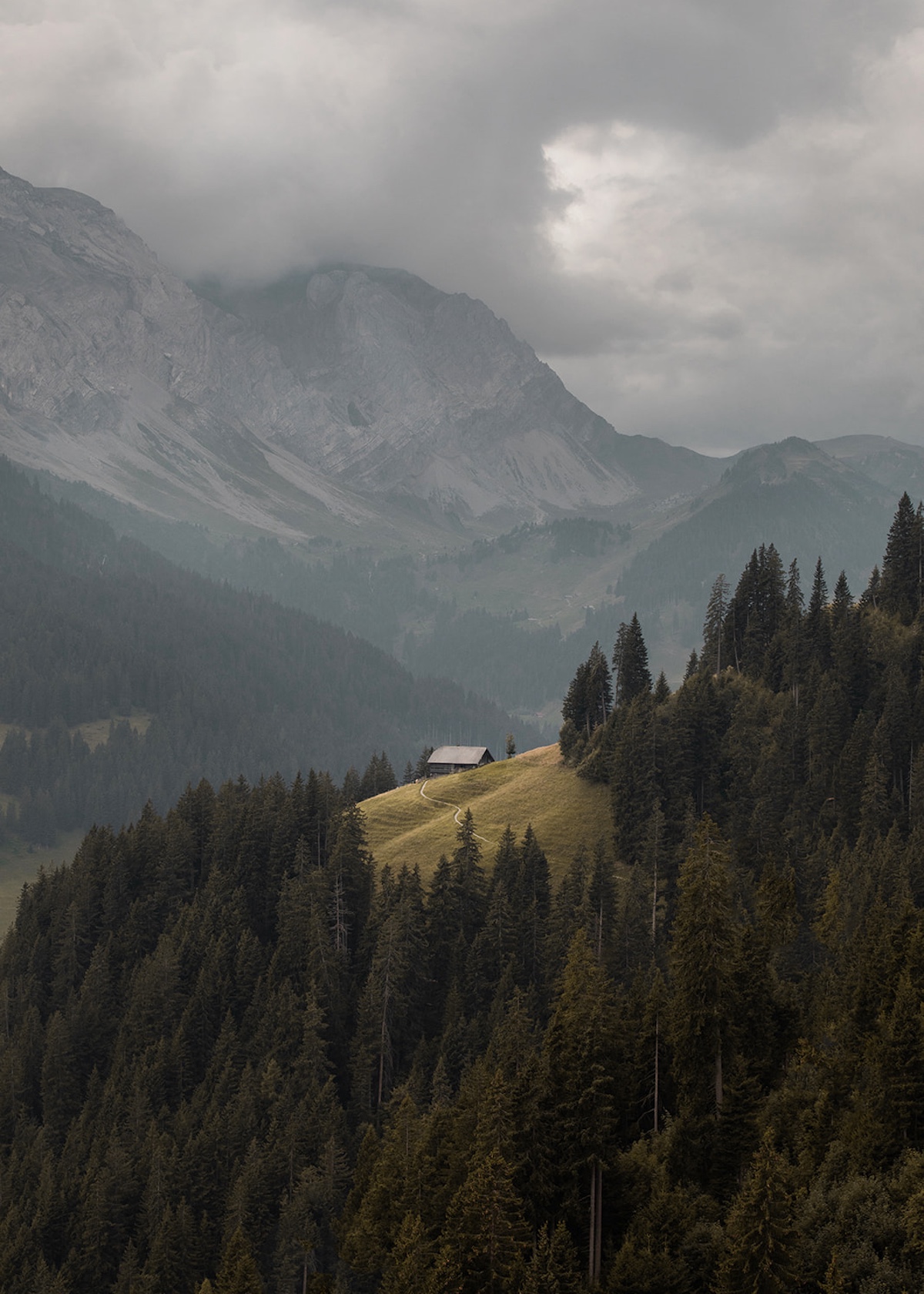
To the east, the Lohner massif cuts a harder silhouette. Its ridgelines are serrated, its faces sharp and fractured, as if shaped by tectonic tension rather than time. This is a peak for purists. There is no easy route, no gentle side. Approached from Adelboden or the Lohner hut, the massif demands focus and respect.
Its upper reaches offer drama in every direction. The cliffs drop steeply, and the wind carries nothing but the sound of rock. The summit looks down over valleys threaded with shadow and light. Few hikers pass this way. The Lohner speaks not in invitation, but in challenge — not aggressive, but unfiltered.
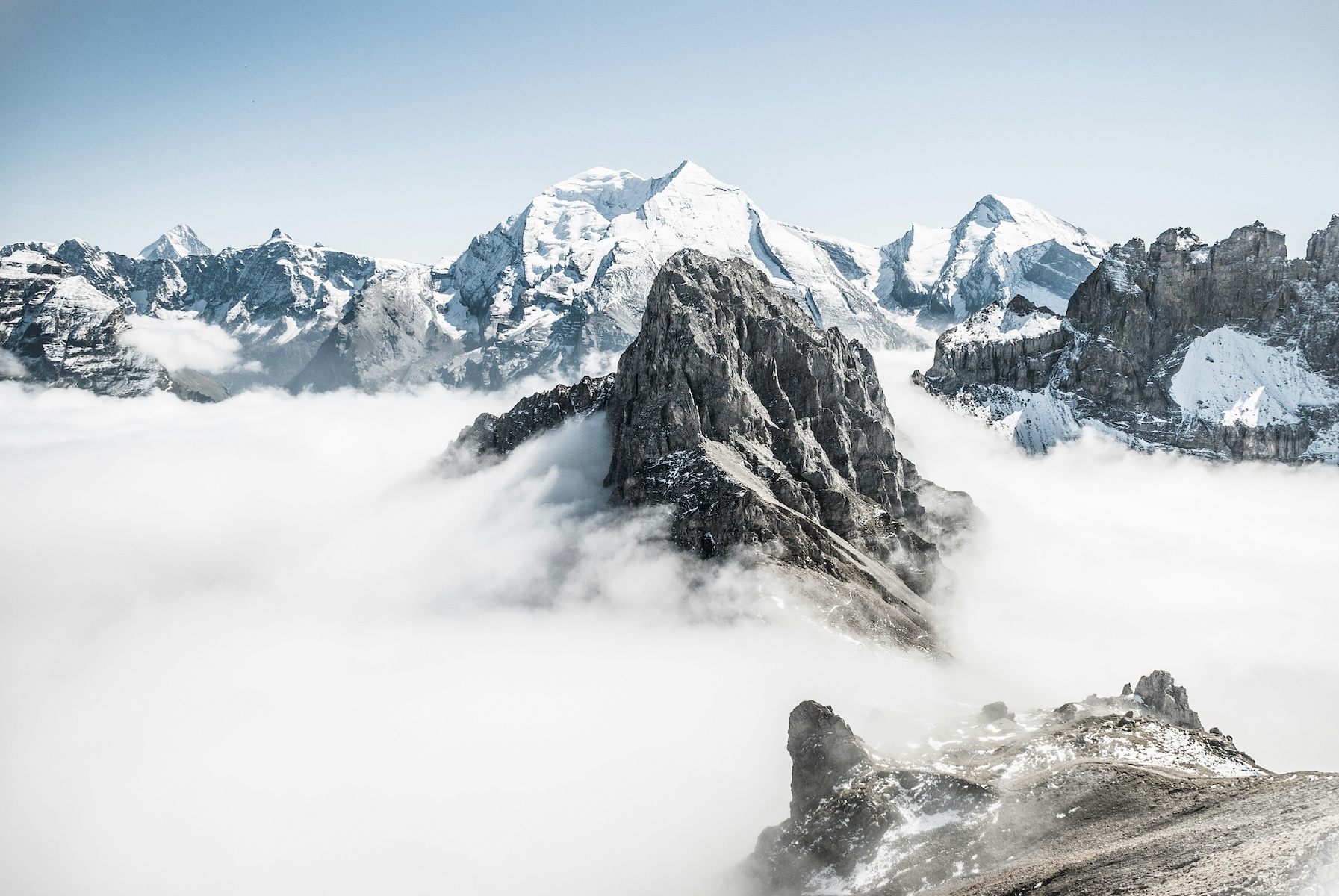
From the summit, the view stretches in every direction. Wildstrubel reveals its broad mass, the Lohner its jagged crown, and the Engstligen valley below lies still and golden in the afternoon light. Bunderspitz is a mountain for contemplation. It does not demand, but offers. To sit on this summit is to understand the shape of the land in a way few places allow.
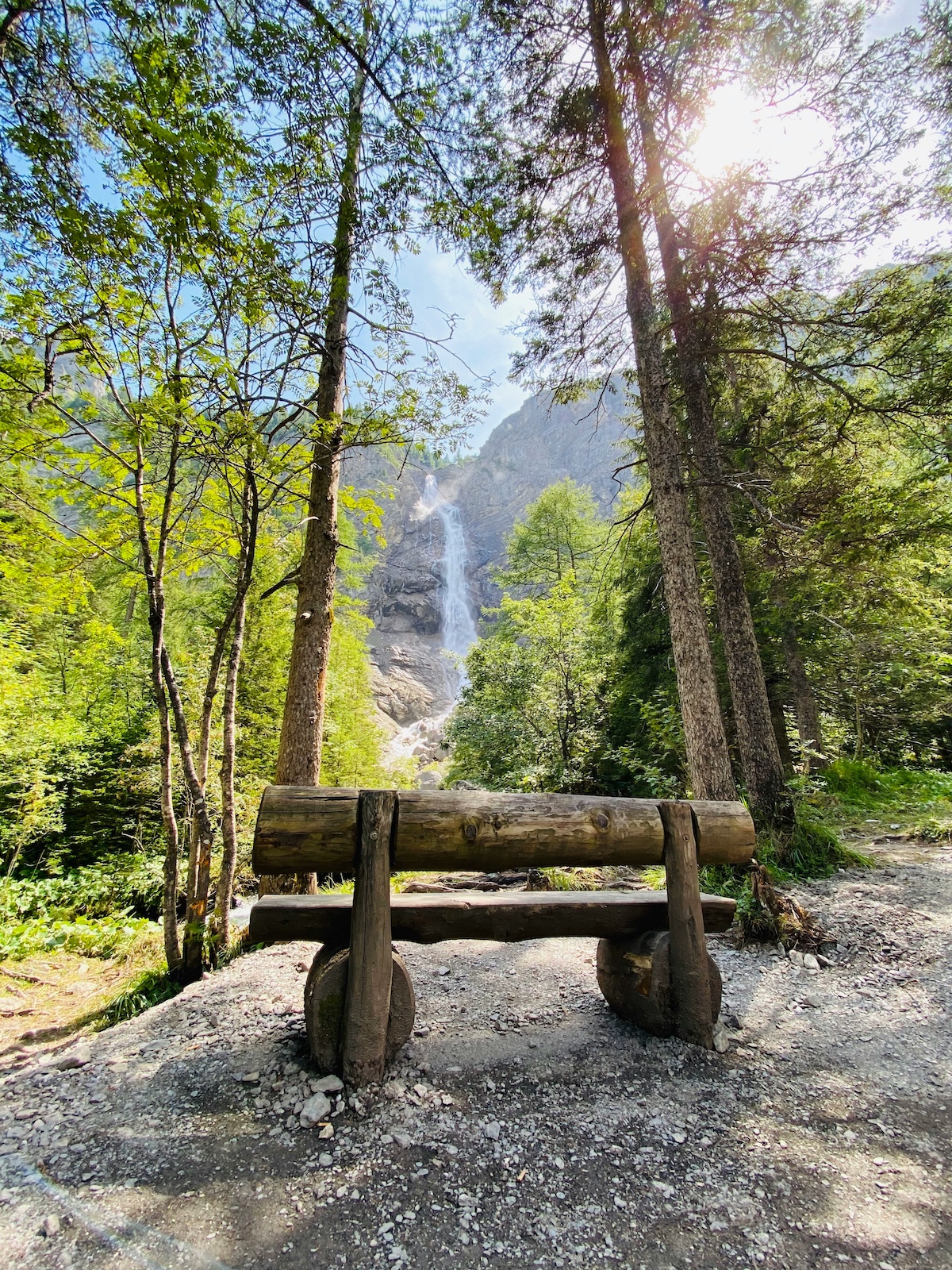
Between these peaks lies Engstligenalp, the vast plateau that holds them in quiet symmetry. This is more than a base for climbing; it is a space where the rhythm of the Alps continues as it always has. Herds move through pasture, cheesemakers stir copper pots, and trails extend in all directions without insistence. The air carries only the scent of stone and summer grass.
To experience this trinity of peaks is not to collect summits, but to move through a story told in height and horizon. Wildstrubel, Lohner and Bunderspitz are more than landmarks; they are companions in the landscape, each shaping a different facet of the high Alpine soul.
This is not a playground. It is a place of presence. One that changes you by asking nothing, except that you listen.
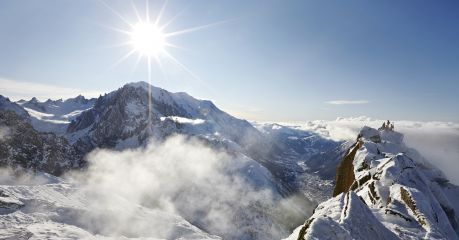
Peruse your ultimate ski holiday edit for a truly design-led breakdown of top winter destinations in the Alps (and what to wear while there, too).
read more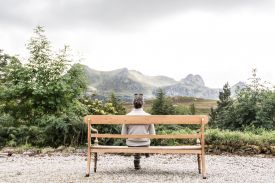
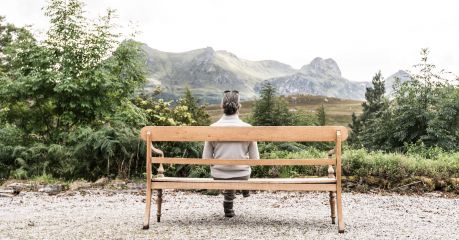
The ancient Caledonian forest and its temperate pines are still in evidence and here red deer, osprey, golden eagle and the native wolf can be seen. Sea cliffs, mirror-like lochs and peaty bogs reveal more diversity from guillemots, otters and seals.
read more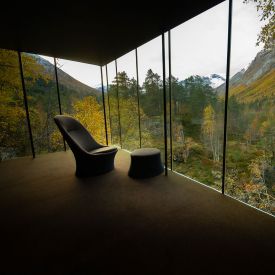
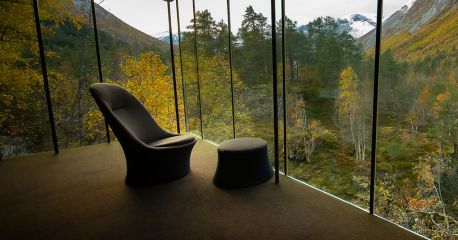
Where wilderness meets radical architecture, soulful stays and culture-led adventures – join us in chasing raw nature, good people and unapologetically beautiful escapes across the wild corners of the world.
read more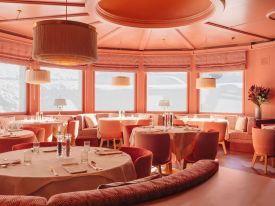
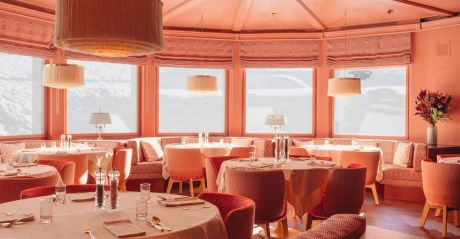
Detoxing on Peach Melba... Pantone, the Matterhorn, Alpino, a Candle and the Perfumer's Jam were just the beginning of this week's inspo for your Sunday Edit.
read more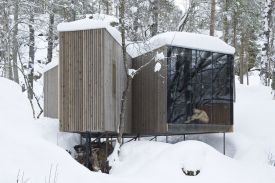
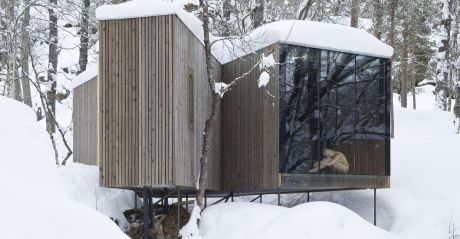
Four cute bastions of style and snuggle up in the duvet sentiments for winter, none of which are in France.
read more
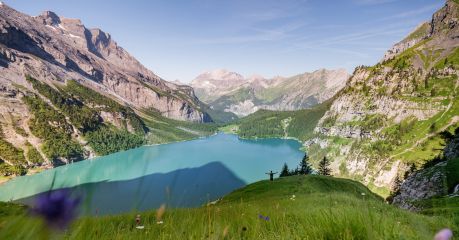
Lose yourself in the wild beauty of Oeschinensee—where glacial waters shimmer, cliffs rise like giants, and the Swiss Alps whisper secrets only the boldest travellers will hear.
read more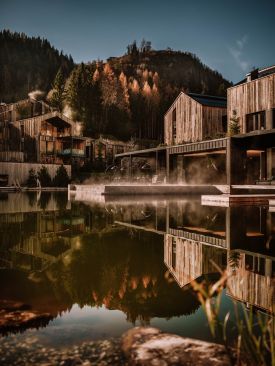
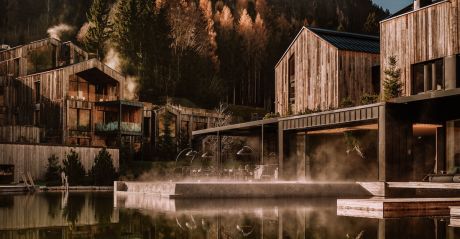
Wellness and the Alps have always been inextricably linked due to the abundance of fresh mountain air, crystal clear water and the proximity of nose-tingling pine forests.
read more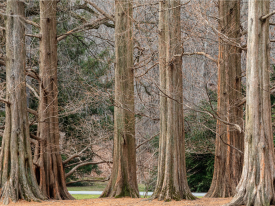
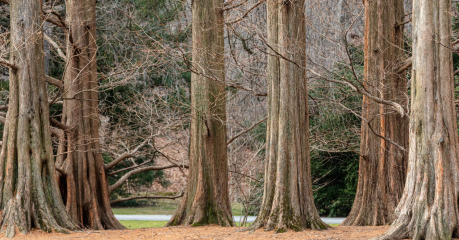
New York Botanical Garden, or the NYBG as it’s affectionately known, is a whopping 250 acres, landscaped with one million living plants, and located in the Bronx.
read more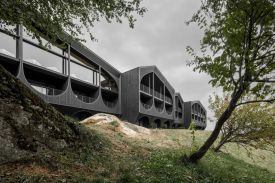
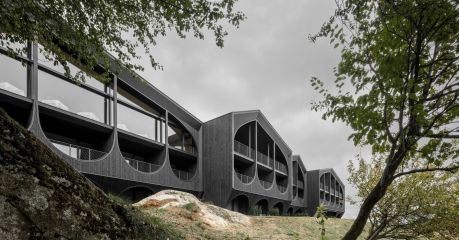
Rising up like delicate meringue-whipped peaks, mirroring the Dolomites panorama that surrounds it, the architecture and design of Hotel Milla Montis create an impact.
read more
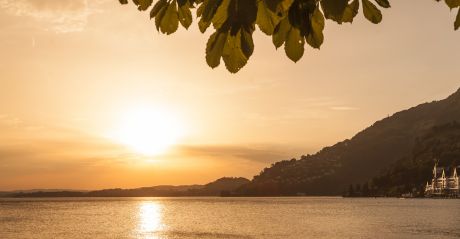
Meet the GOLD-BERGS, our Autumn line-up of Alpine Hotels dressed in the amber tones of Fall - from Italy, Austria, Germany and Switzerland – the scene is indeed magical, marking the start of the wonderful Alpine Indian Summer.
read more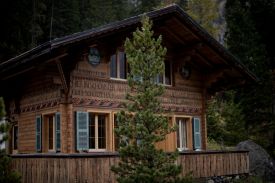
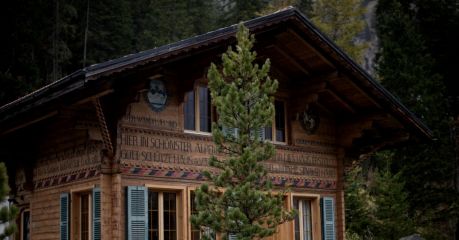
How do you get, in thought, from a theatrical backdrop of the UNESCO-listed lake hideaway in Switzerland and an Irish bolthole on a remote island to watching a vintage episode of The Waltons?
read more
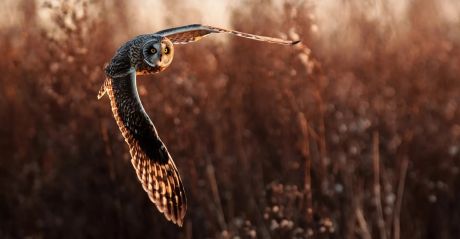
Remote, raw, and radical – Orkney’s conservation fight is rewriting the story of island survival with dogs, birds, and 6,000 stoats. Nature is taking back control.
read more
Get the insider news and lowdown on what we've been up to, where we've been, and who we've met along the way. Be the first to discover new places and get the scoop on our favourites.