JOIN the AFICIONADOS
Get the insider news and lowdown on what we've been up to, where we've been, and who we've met along the way. Be the first to discover new places and get the scoop on our favourites.

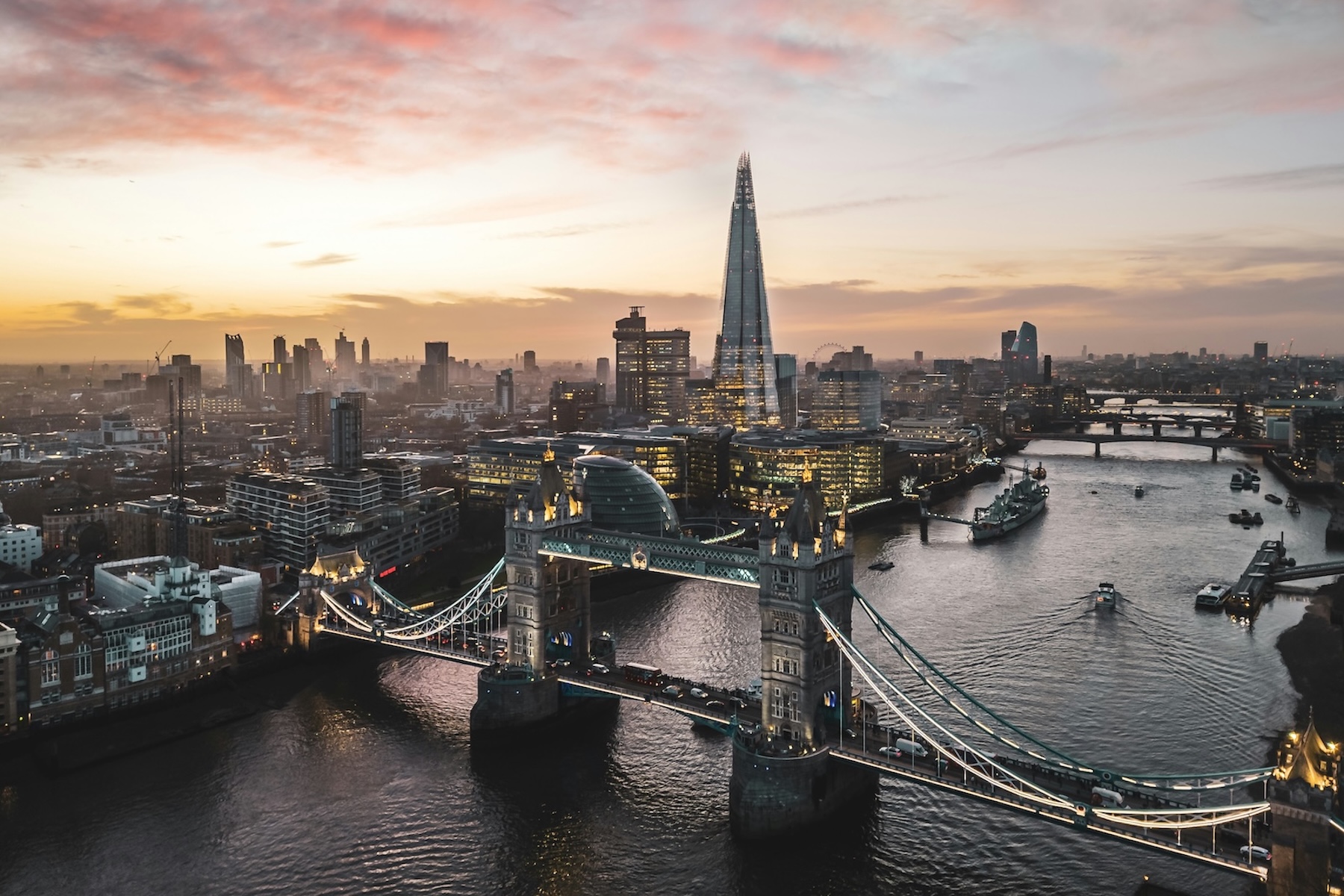
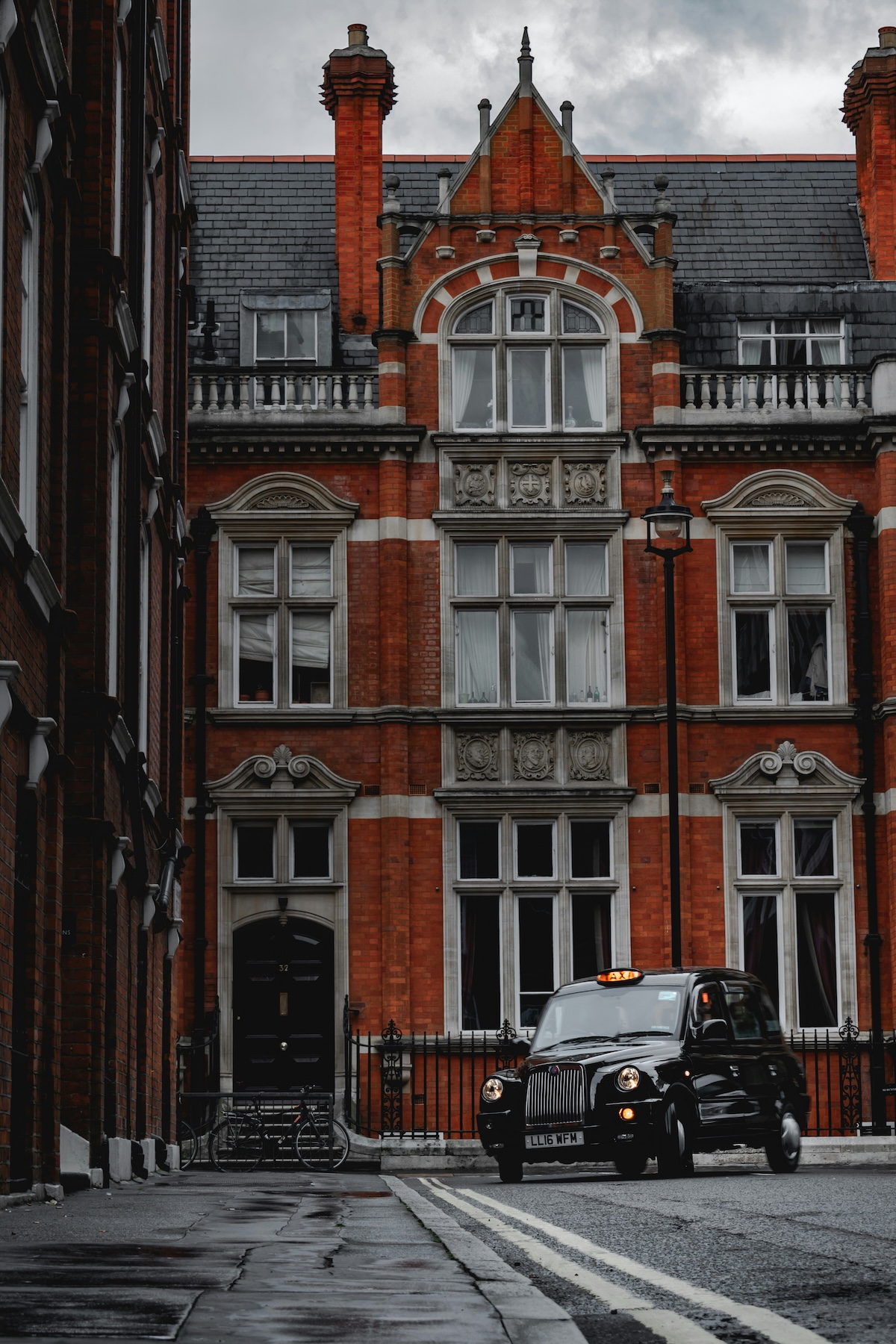
London is a city that encourages you to look up. All the beauty and fascination that is found at eye level is immediately magnified once you look up and notice the architecture standing grandly about you. Centuries are spanned in the London skyline as medieval churches are nestled snugly by modern skyscrapers. In fact, there is so much to see we haven’t spent a single day looking down in all our time living here – to tell you the truth, we couldn’t even tell you what colour the pavement is.
Nowhere, however, is the City’s dichotomy of design more relevant than at its epicentre - the eponymous city within a city, the City of London. More than just a borough, this square mile of land commands its own district in the heart of the capital. It stands as London’s financial hub as well as its historical centre, prompting glass and steel to grow shatteringly into the sky amid some of its oldest and most historic buildings.
Established by the Romans in about AD43, seven years or so after they first invaded, the City of London (Londinium) became an epicentre for life and trade. Sites still exist today where you can see Roman remains should you wish to seek them out – for example the remains of a Roman amphitheatre can be found under Guildhall Art Gallery. Historical remains have also found a more permanent existence in the origins of many of the City’s street names; Milk Street, Bread Street and Mason’s Avenues all refer to the different Guild’s that were once upon a time run and founded upon those very cobbles.
As the City of London grew, however, so did its establishments, and some organisations found in the business district today have their origins in a 17th century City. Coffee shops were introduced in the 1600’s and different premises attracted different trades, including some famous financial institutions. While the stock exchange first came to be in Jonathan’s coffee house in Change Alley, the Lloyd’s building has origins in Edward Lloyd’s premises on Tower Street. Humble beginnings and all that.
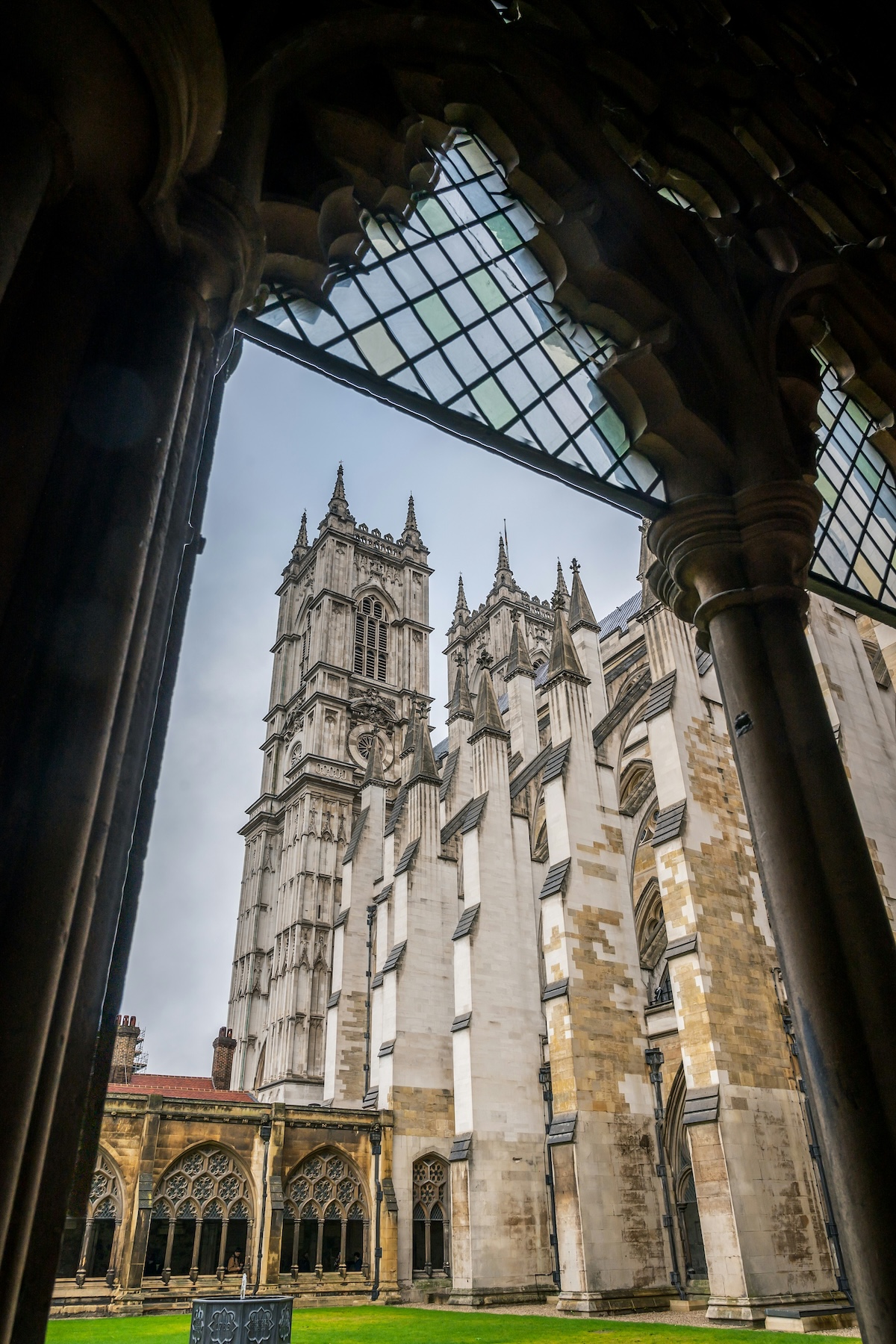
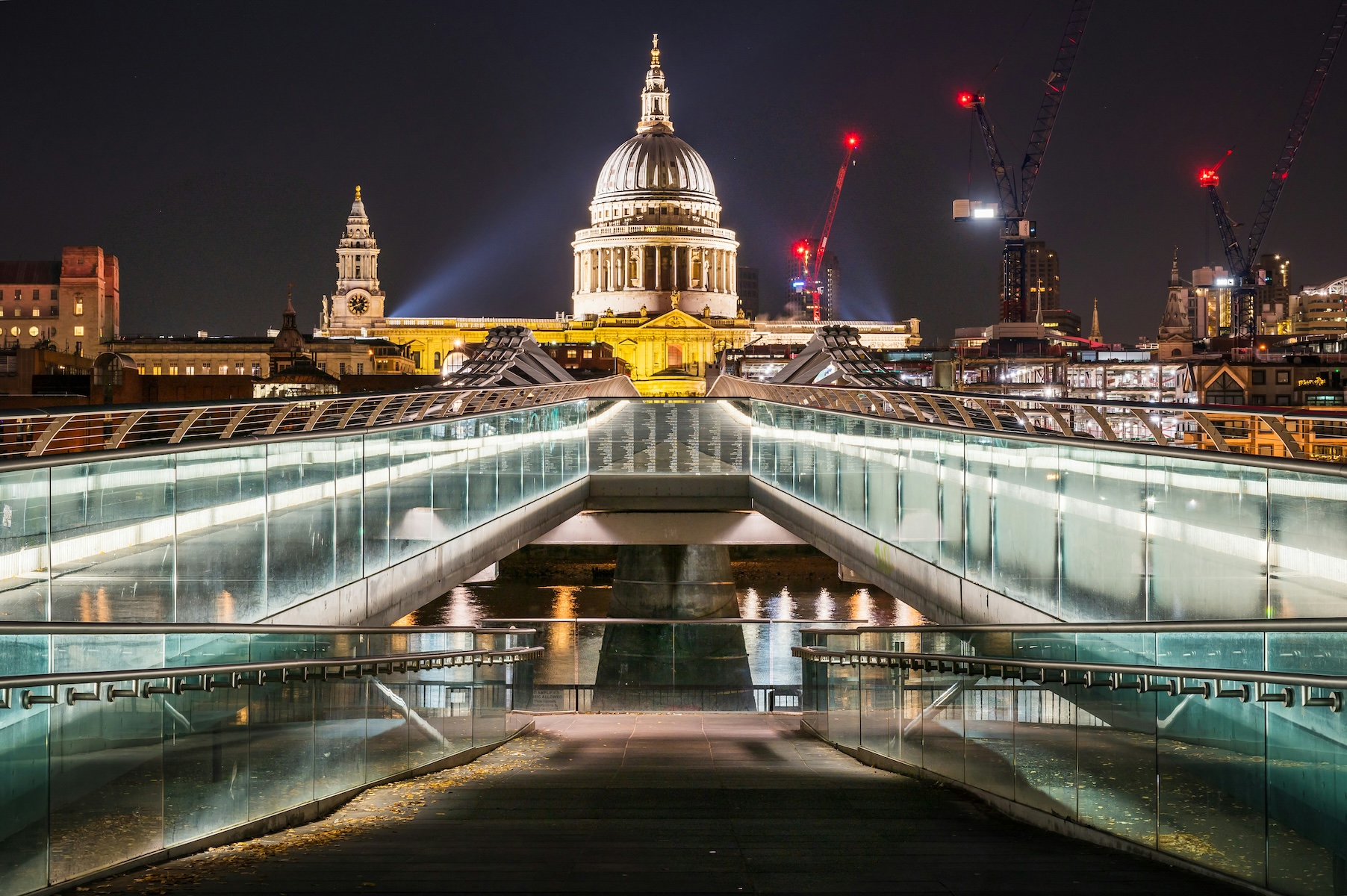
While these are impressive facets of the City of London’s financial hub, historic and modern buildings do not battle for primacy in the eye-line, instead, we like to think that they mingle in happy co-existence. One of the City of London’s world famous icons, St Paul’s, built in the 18th century, still commands a beauty and majesty that even some of the most famous glass buildings sometimes cannot capture (on cloudier days, that is).
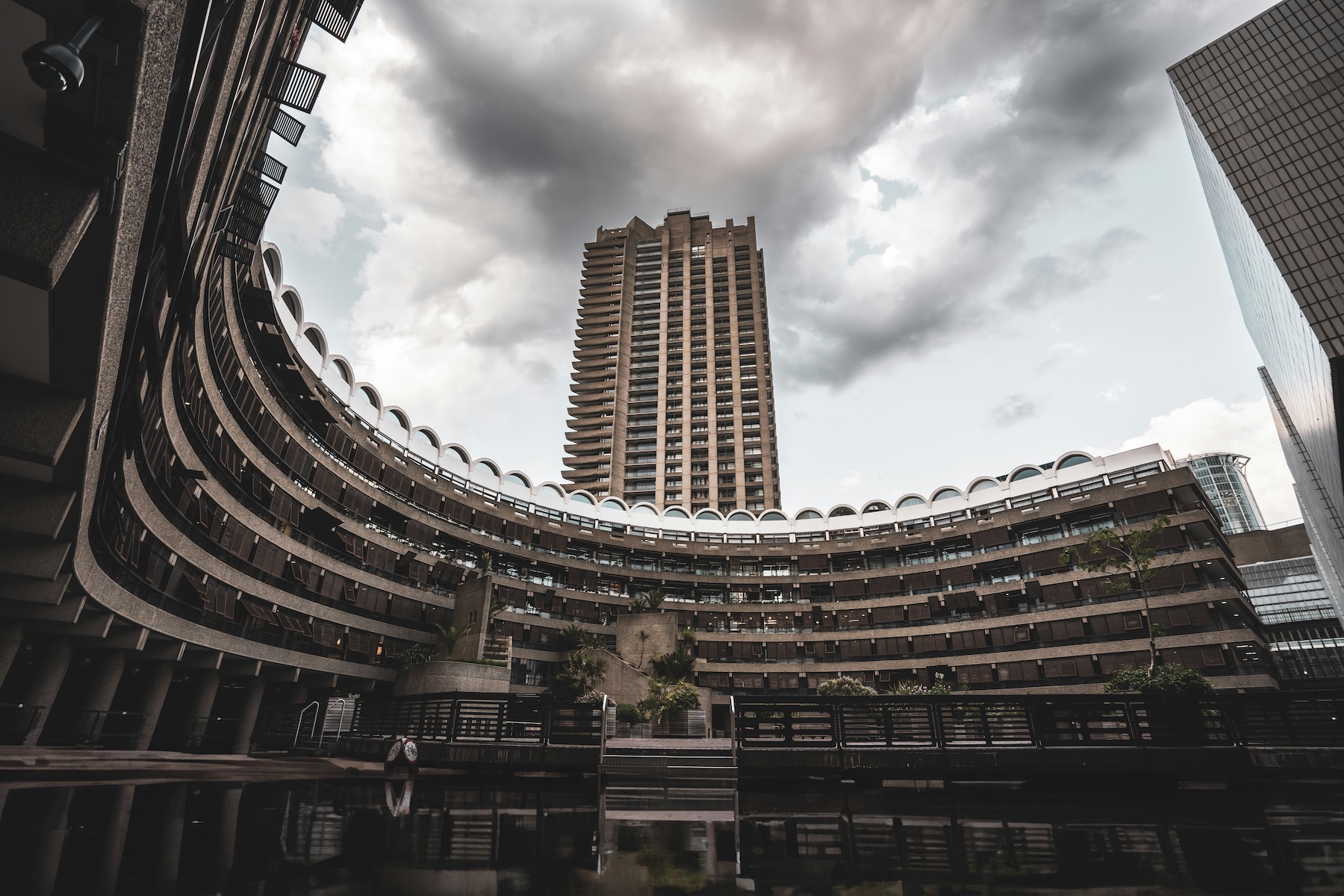
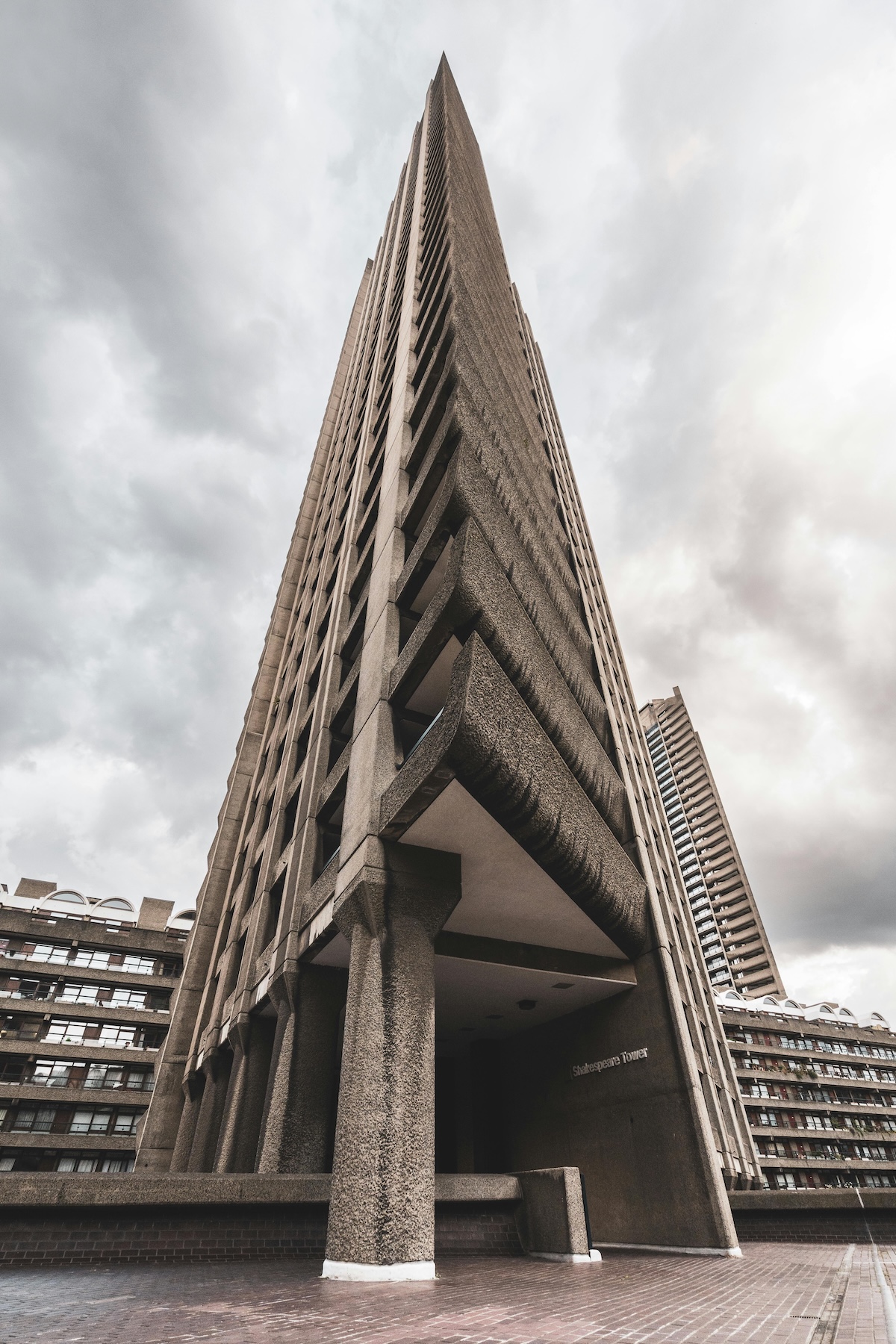
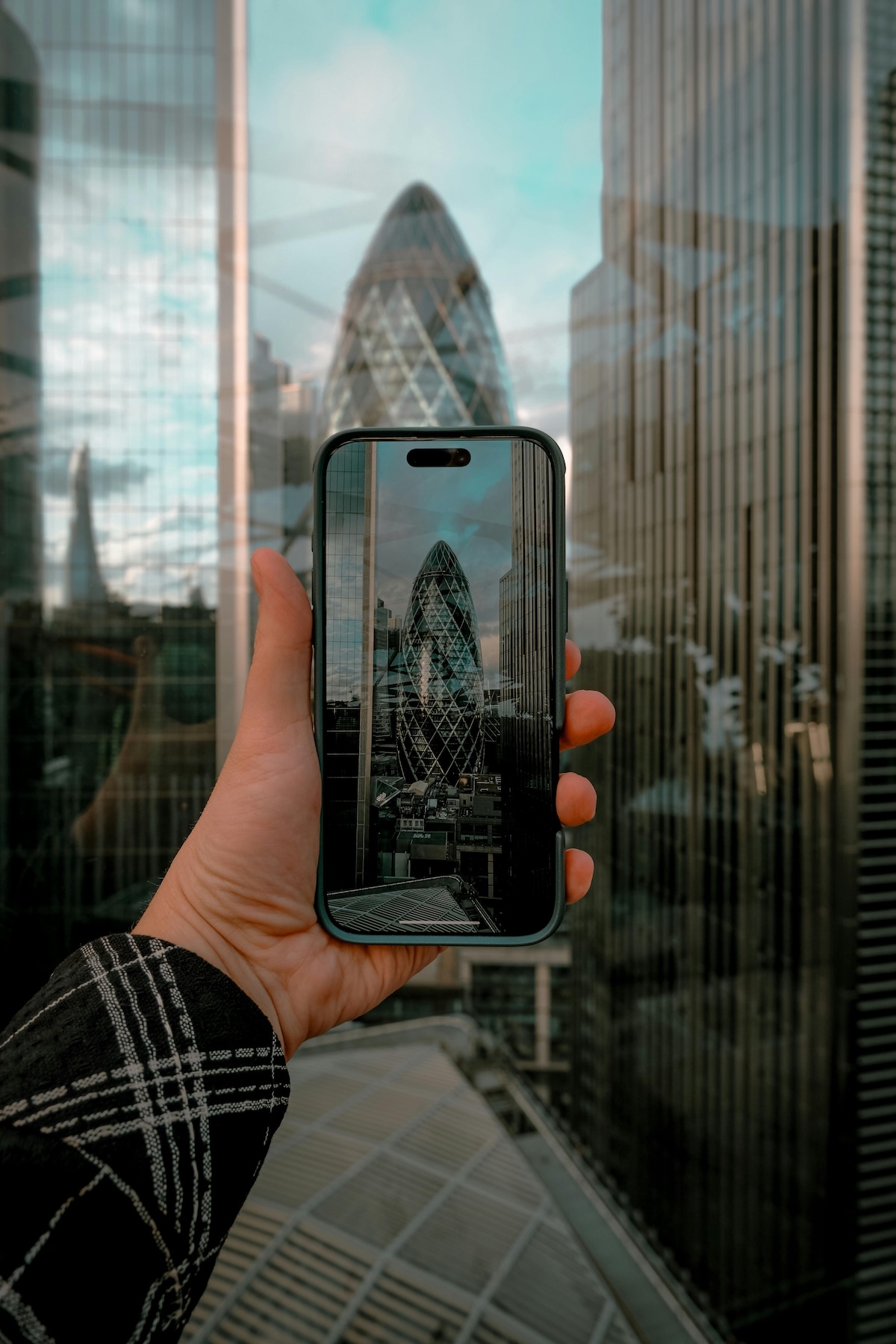
The Barbican is another bastion of architectural design, and a true icon of the inner City. With its brutalist aesthetic raised out of ruins from the blitz, it was finally built in 1977 and was revered as the start of a hoped for new age of ‘utopian living’. Swimming pools, hanging gardens and ponds elevate a compact and now well-known style of living. Another comparable counterpart of the City of London’s tapestry, one that makes up its architectural face, is the Gherkin, designed by Norman Foster and built in 2003. Similarly iconic, it is one of the most recognisable buildings in London and has even been called ‘the most civilised skyscraper in the world’.
The face of the City of London is fluid and ever changing, but it also keeps a firm grip upon its own past. Its breadth of design and nod to its architectural younger self makes it a district within London that holds huge importance while simultaneously standing alone as a time capsule, an ode to itself.
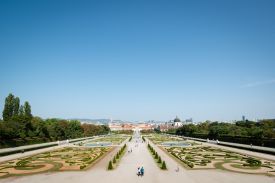
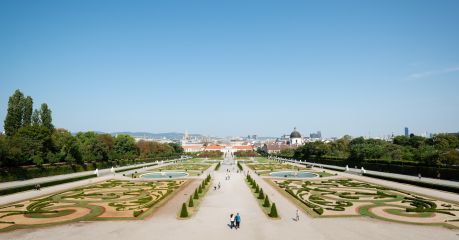
Founded in 1754 by Empress Maria Theresa, the oldest area, the medicinal garden, is replete with poisonous plants and the sultry tropical house is home to orchids, cacti and carnivorous plants.
read more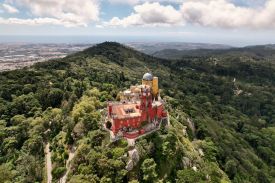
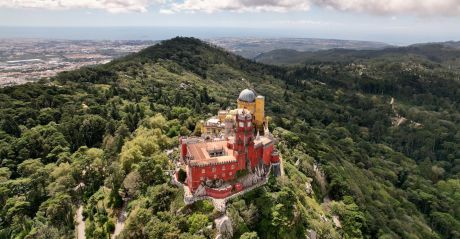
Travel to Portugal's fairytale den of Sintra, just outside Lisbon, for a world full of rolling hills and castles, once referred to by Byron as "glorious Eden".
read more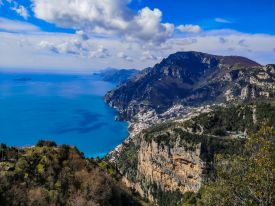
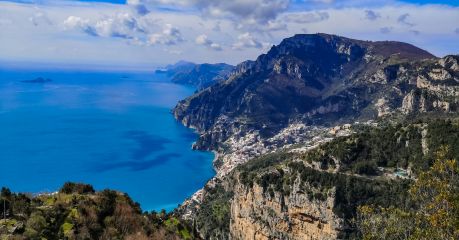
Amalfi and the Path of the Gods - Sentiero degli Dei is magical, an easy, two-hour amble for mortals like us, spy the Amalfi Coast’s breath-taking UNESCO World Heritage site in all its glory from a lofty, God-like height, tracking the path from Agerola’s Bomerano near Amalfi to Positano’s pause-worthy Nocelle.
read more

Porto for culture seekers - we explore the Serralves Foundation comprising of a dusty pink 1930-40s’s Art Deco villa designed by Porto architect José Marques da Silva, a landscape-specific contemporary museum designed by Álvaro Siza.
read more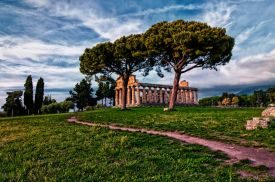
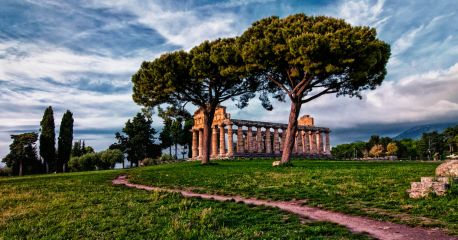
Paestum Temples in Southern Italy is one of those ancient antiquities that you have to visit – this UNESCO World Heritage Site in Cilento Campania is a treasure trove of ancient Greece including three of the world’s best-preserved temples.
read more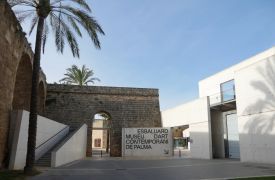
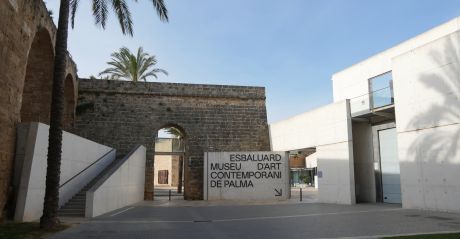
Es Baluard holds more than nine hundred works inside Palma's Renaissance walls, from Anglada-Camarasa to Miró and Barceló, with the bay laid out below.
read more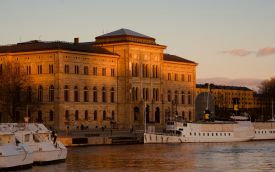
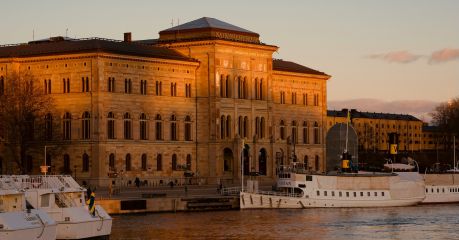
Stockholm - Culture fans are set to be thrilled when Stockholm's Nationalmuseum finally re-opens this Autumn after a 5 -year renovation. Founded in 1792 by a very generous King Gustav III, Stockholm’s Nationalmuseum is one of the oldest public museums in the world, and their booty spans hundreds of years of European art.
read more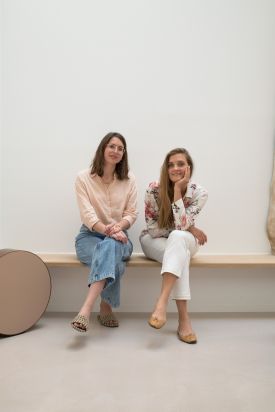

Just off Rue des Martyrs in Paris, in the 9th arrondissement, Zeuxis Contemporary Art Gallery created by Amélie du Chalard is the Maison d'Art Amelie - a showcase for paintings, engravings, sculptures, photographs, videos and works of art set within a magnificent apartment.
read more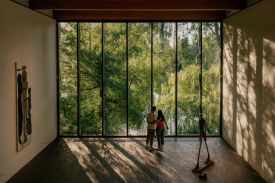
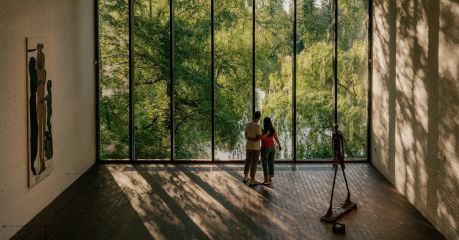
Where modern art meets coastline and clarity, Louisiana Museum of Modern Art turns a museum visit into a coastal walk, framing global creativity through architecture, light and landscape.
read more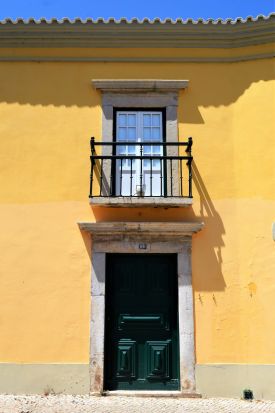
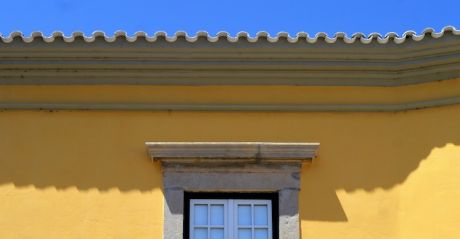
Faro is the gateway to Portugal's Algarve but don't be tempted not to visit this wonderful medieval port and culture stuffed city dating back to the 8th Century.
read more
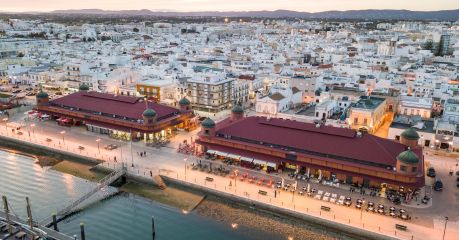
The small port of Olhão, in the unspoilt eastern backwaters of the Algarve, has been famed for fishing since Medieval times, but these days the charming, sun-faded town close to Faro attracts a bohemian crowd for its slow pace of life and fabulous natural beached islands.
read more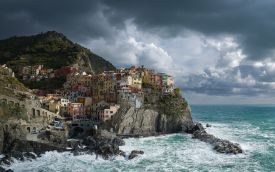
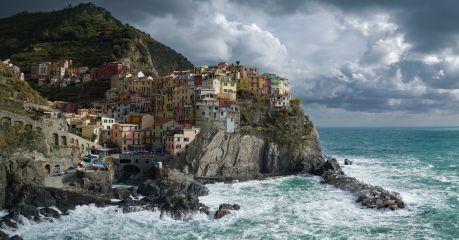
Cinque Terre in the Slow Lane – Ensconce yourself at a secluded retreat where the pleasures of slow living are championed in a peaceful and tradition-filled Ligurian way of life.
read more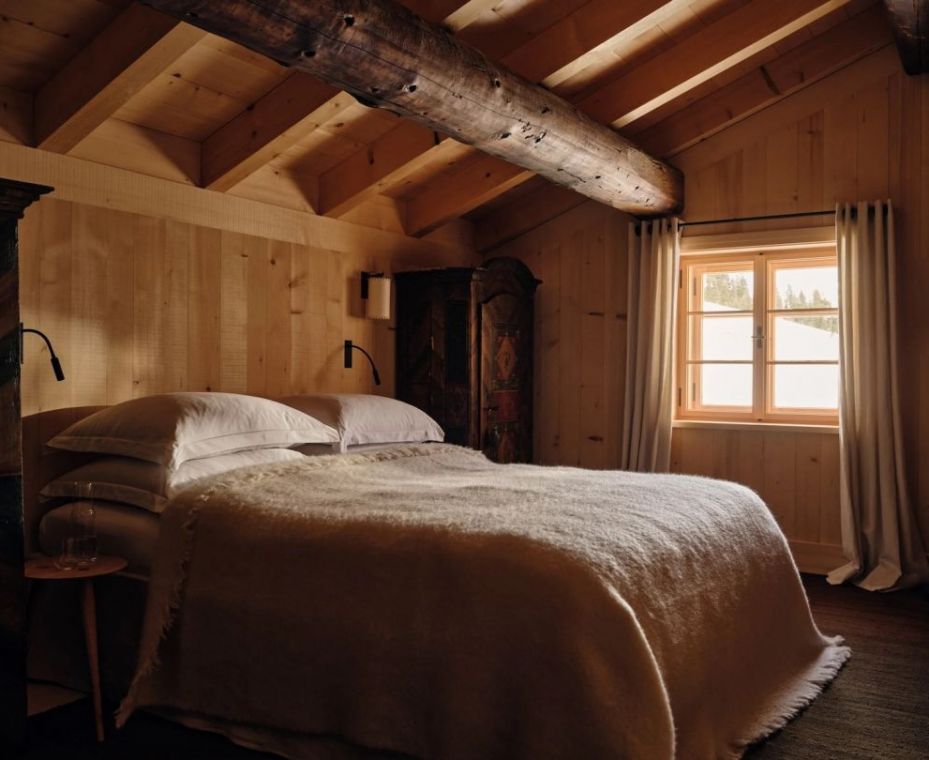
Get the insider news and lowdown on what we've been up to, where we've been, and who we've met along the way. Be the first to discover new places and get the scoop on our favourites.