JOIN the AFICIONADOS
Get the insider news and lowdown on what we've been up to, where we've been, and who we've met along the way. Be the first to discover new places and get the scoop on our favourites.

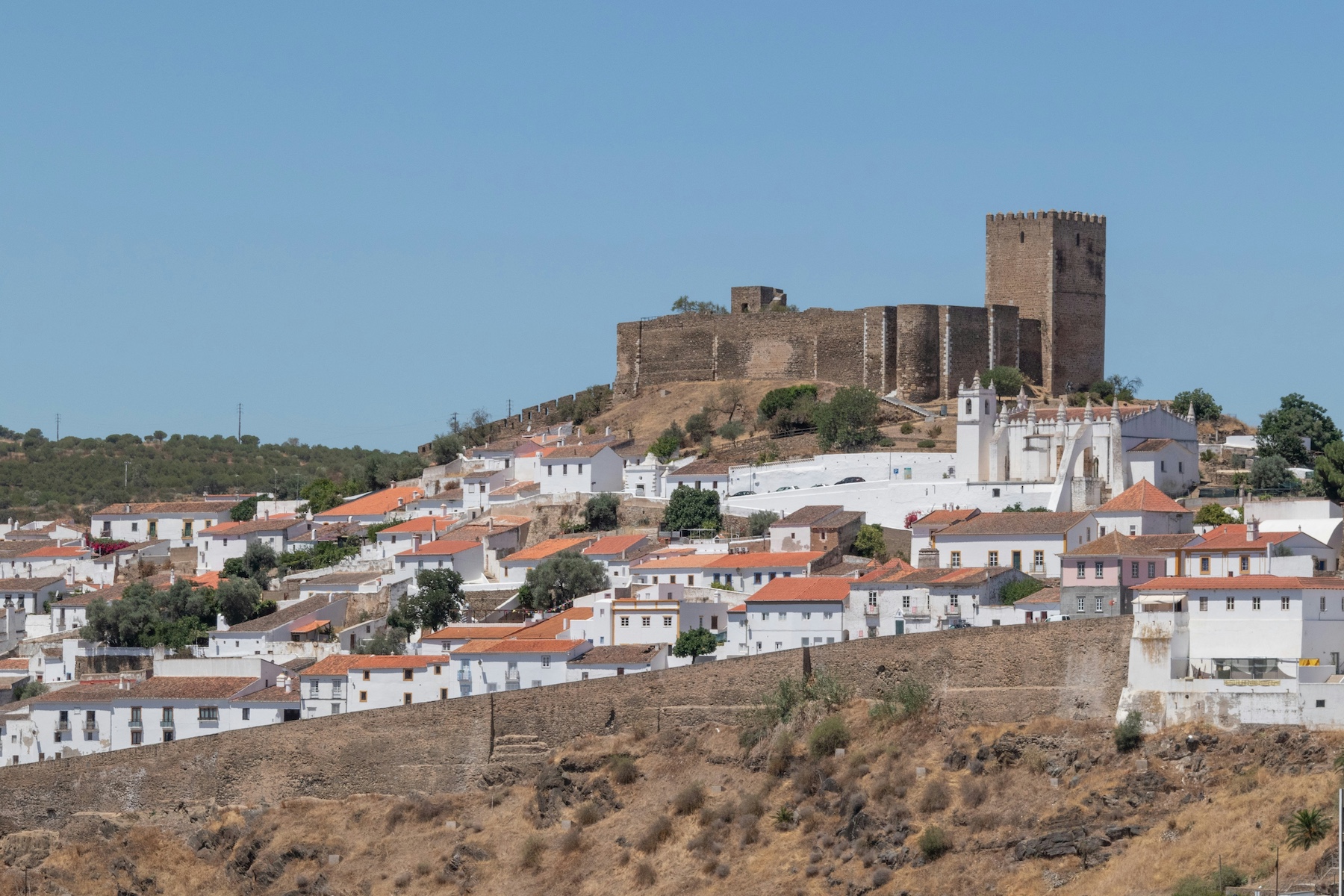
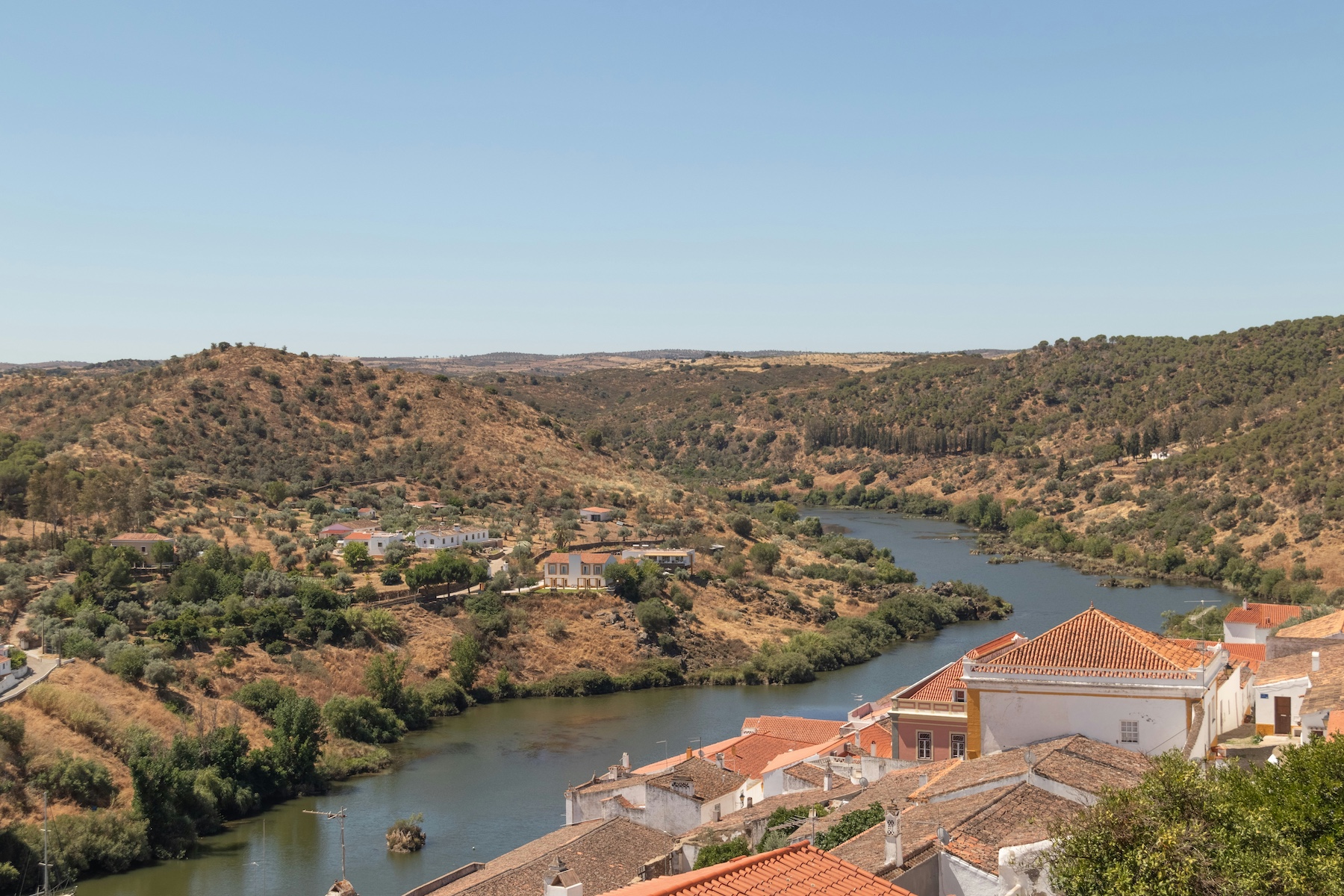
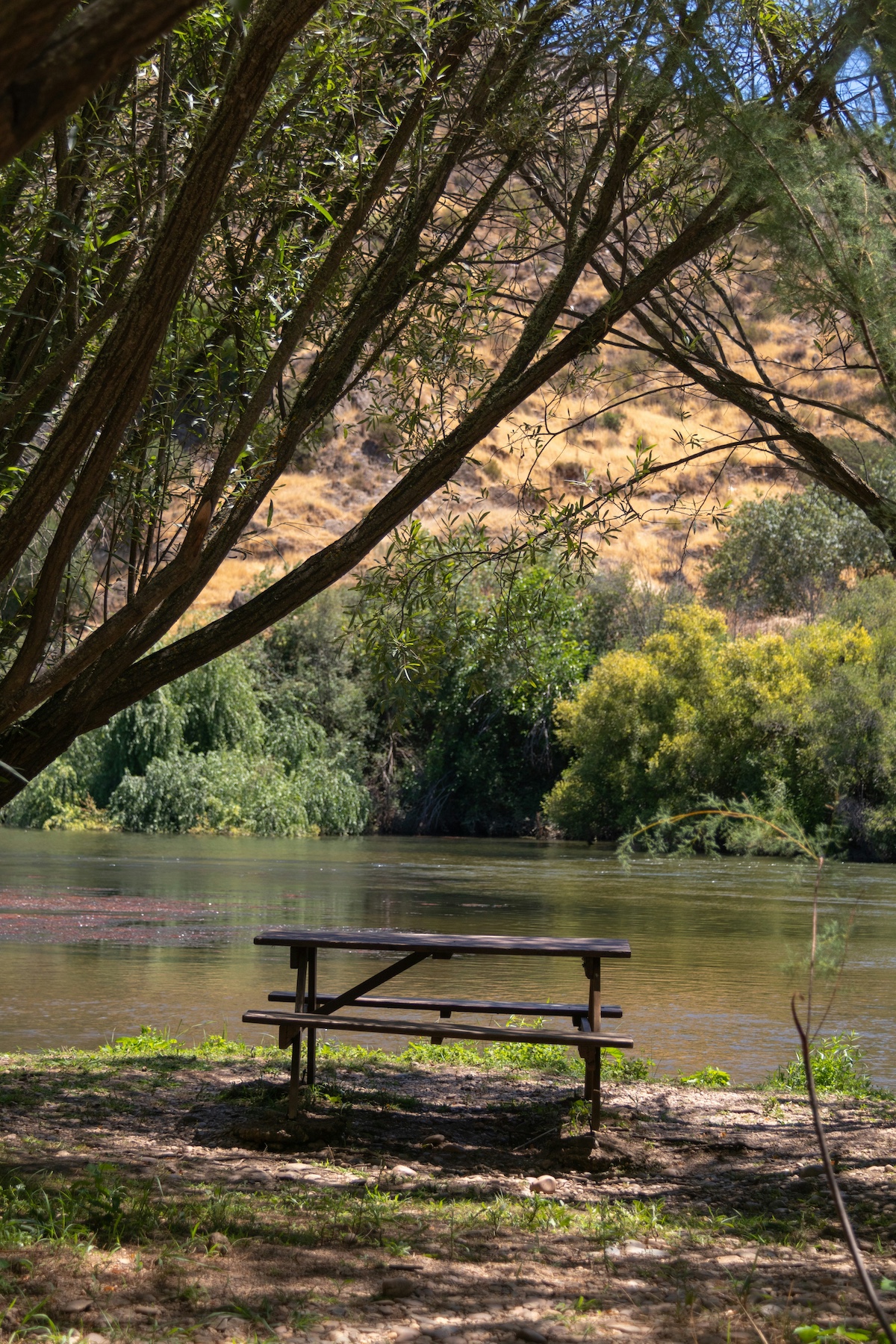
There’s a bend in the Guadiana River where Portugal forgets itself, where the land slips into memory and the scent of wild thyme drifts through ruins older than kings. This is Mértola: a terracotta-topped outpost wrapped in layers of empire and myth, where Iberia exhales.
Sitting just shy of the Spanish border in the deep Alentejo, Mértola is a place of once and future ghosts. Phoenicians moored here first, their cedar boats heavy with trade and intrigue. The Romans arrived next, branding it Myrtilis Iulia – a bustling river port churning with silver, salt and minted ambition. Later came the Visigoths, the Moors, the Knights of Santiago. Each left their mark; none overstayed their welcome.
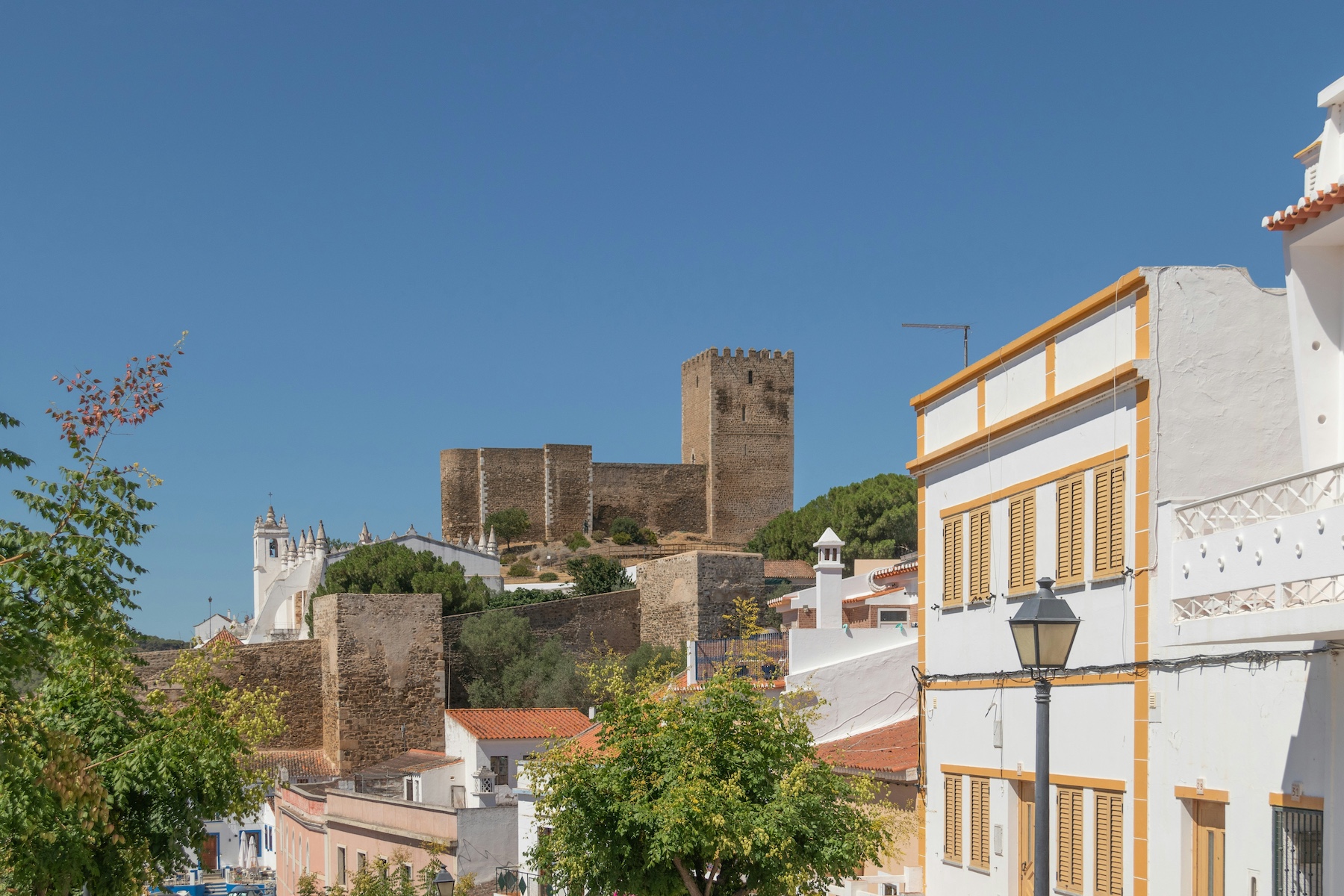
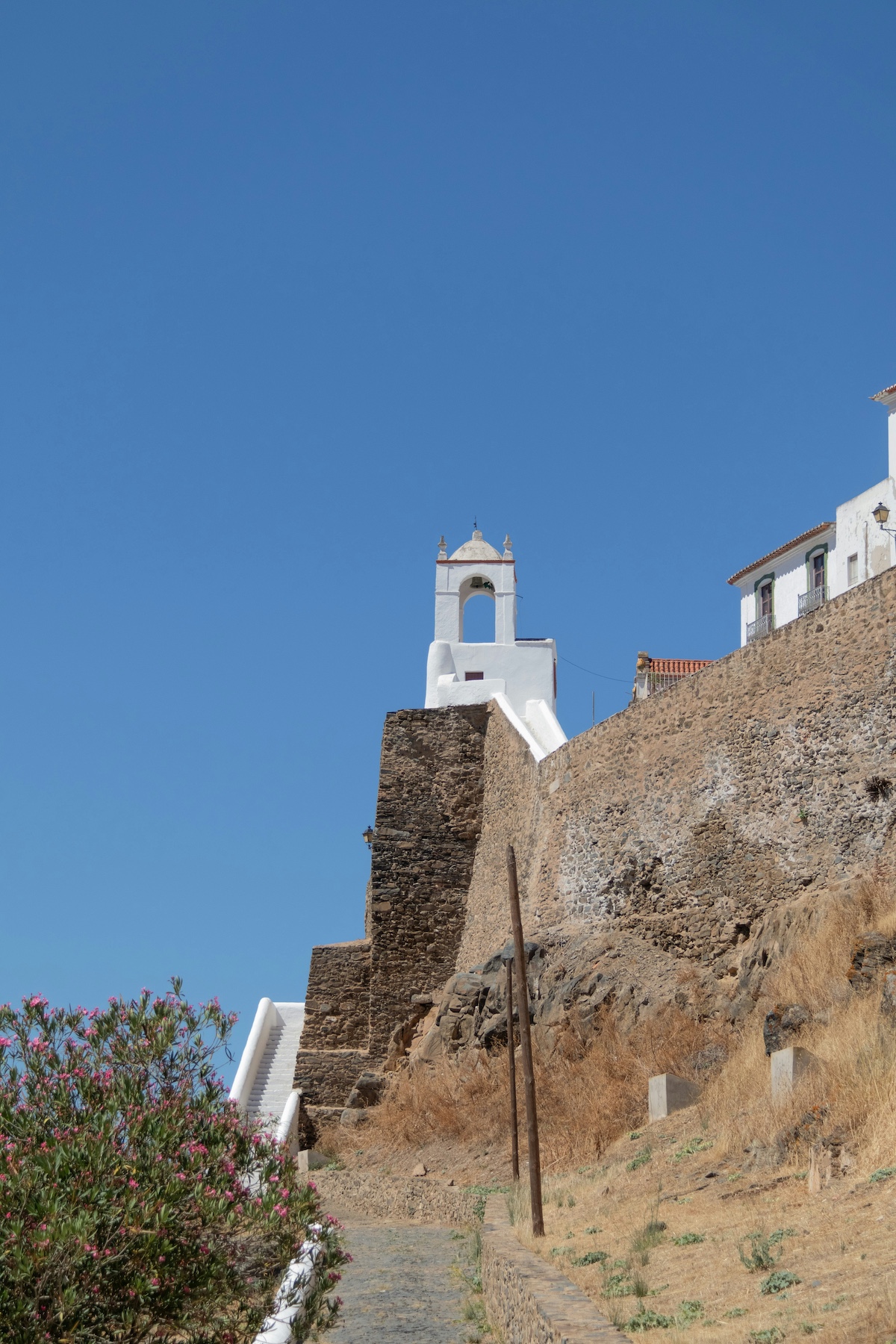
Today, Mértola wears its past like a palimpsest. The mosque-turned-church, still echoing with whispered Arabic geometry, gazes over the gorge from a lofty perch. The castle, part Roman, part Moor, part medieval chutzpah, rises over the tangle of ochre lanes below. And scattered across the village: Islamic ceramics, Roman mosaics, and the occasional faded fresco surfacing like a secret.
But Mértola is more than a relic. It is a living museum-village, a project in slow archaeology and quiet revival. Since the 1980s, scholars and locals have stitched history back into place, layer by patient layer. The biennial Festival Islâmico gathers craftspeople, musicians, poets and storytellers from across the Maghreb and Mediterranean, a souk under open skies, celebrating cultural kinship rather than conquest.
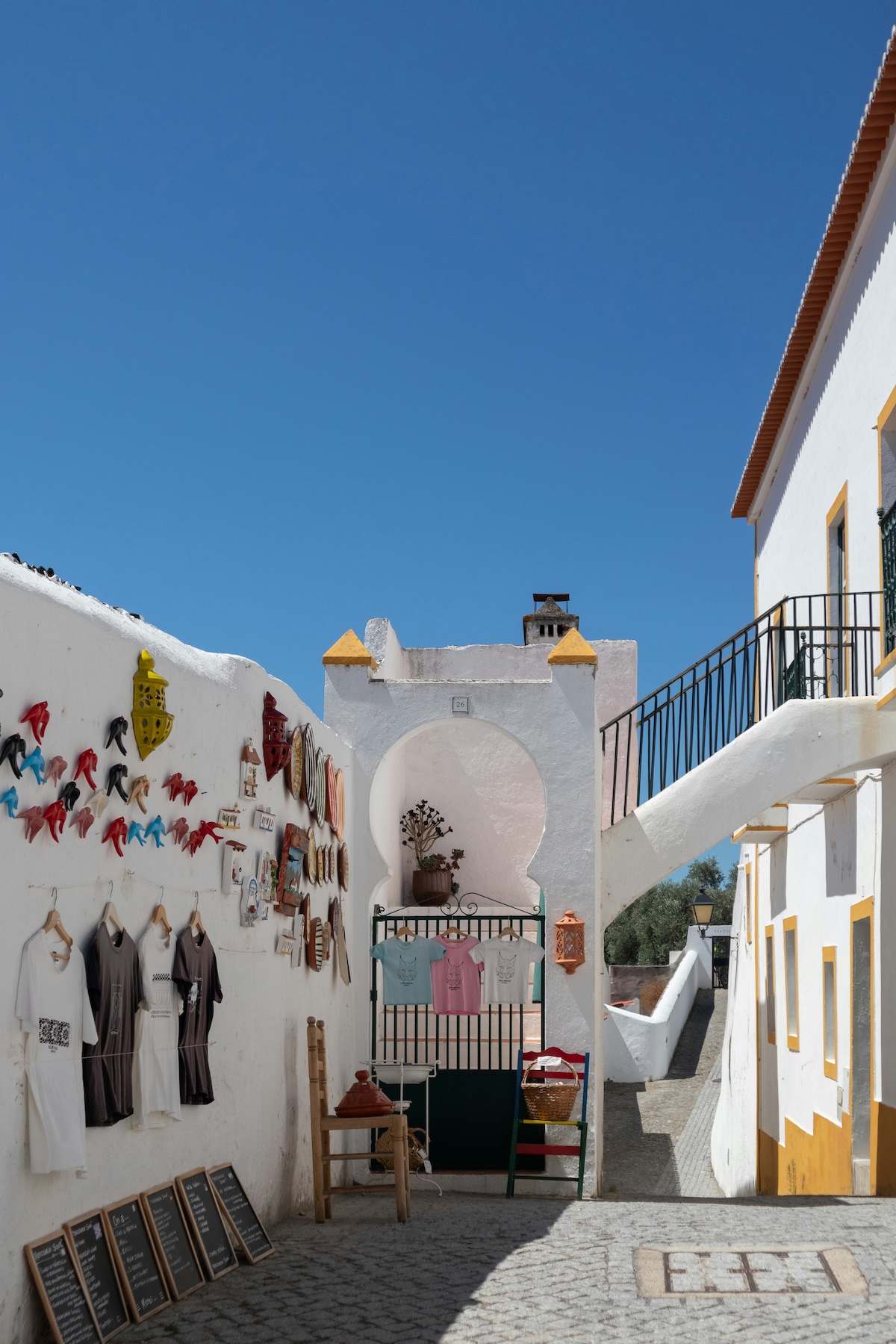
Wander these narrow alleys and you’ll find artisan studios in stone vaults, shadowed courtyards where pomegranate trees lean into silence, and tables set for lunch with migas, wild boar, and bread thick with olive oil. In spring, the hills blush pink with rockrose. In summer, the light is pure and pitiless, a chiaroscuro dream for painters and poets. Autumn brings a kind of hush. Winter, a low sun and woodsmoke curling from whitewashed chimneys.
Mértola’s mineral past still clings to the hillsides where copper veins once lured prospectors from Britain to the now-silent Mina de São Domingos, whose rusted engines and rail lines now serve nostalgia rather than industry. The mine may be closed, but the town remains gilded with a quieter kind of wealth: heritage, time, perspective.
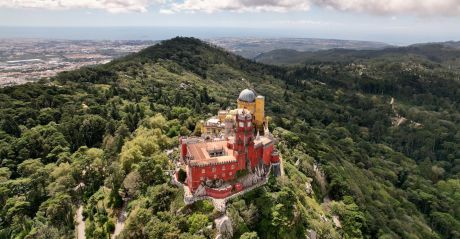
Travel to Portugal's fairytale den of Sintra, just outside Lisbon, for a world full of rolling hills and castles, once referred to by Byron as "glorious Eden".
read more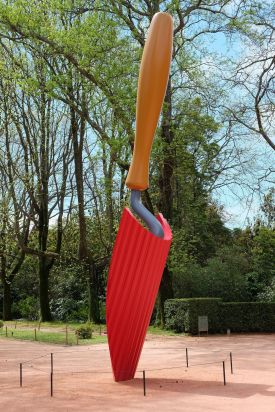
Porto for culture seekers - we explore the Serralves Foundation comprising of a dusty pink 1930-40s’s Art Deco villa designed by Porto architect José Marques da Silva, a landscape-specific contemporary museum designed by Álvaro Siza.
read more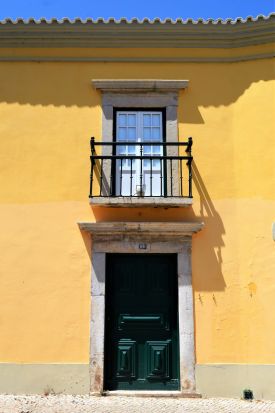
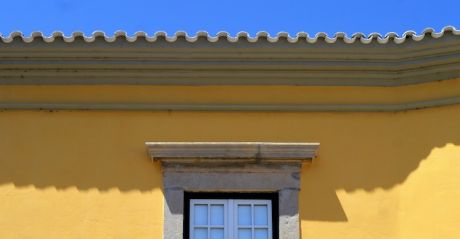
Faro is the gateway to Portugal's Algarve but don't be tempted not to visit this wonderful medieval port and culture stuffed city dating back to the 8th Century.
read more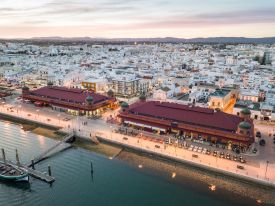
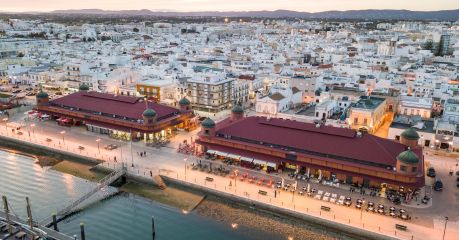
The small port of Olhão, in the unspoilt eastern backwaters of the Algarve, has been famed for fishing since Medieval times, but these days the charming, sun-faded town close to Faro attracts a bohemian crowd for its slow pace of life and fabulous natural beached islands.
read more
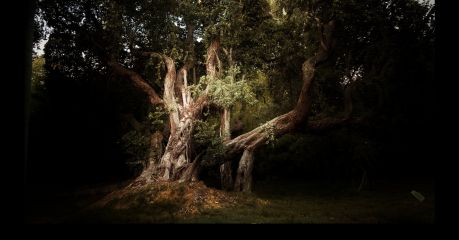
Dendrophiles, or lovers of trees, will enjoy the diversity here with over 1,400 species – including rarely seen palms and ferns from across the world.
read more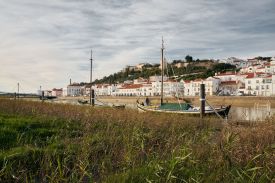
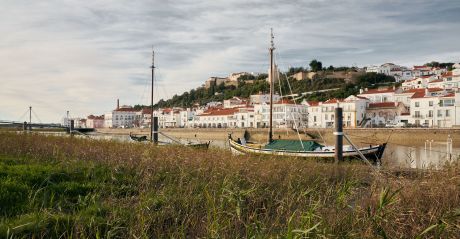
From the wild beaches of the Atlantic coastline stretching inland to the Spanish border, Portugal’s Alentejo region is characterised by an addictive peacefulness and slow lane pace, where ancient cork forests meet megalithic rocks, pine scents the air and pockets of wholesome cuisine and under-the-radar vineyards mean the good life is never far away, minus the crowds.
read more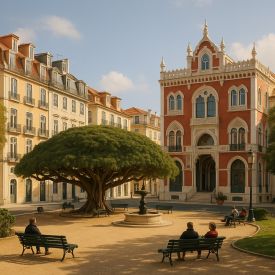
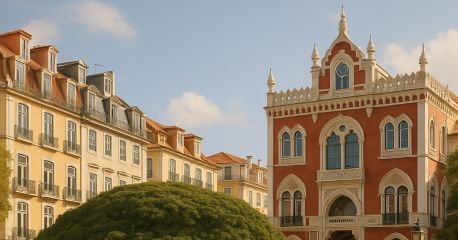
Príncipe Real is Lisbon’s green crown: palacetes, cedar gardens and design ateliers shape a district of lyrical calm. A cultured quarter where heritage, creativity and elegance drift together beneath jacaranda-lined boulevards.
read more
Monocle's Quality of Life Conference returns to Lisbon this September, three days of ideas, design and city living at the Gulbenkian. Here's who and what to expect.
read more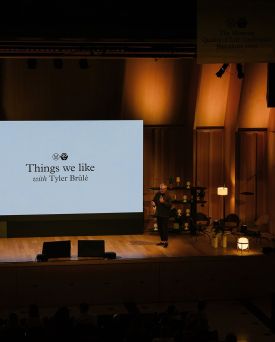
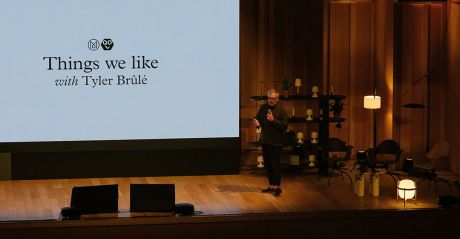
Meet the voices taking the stage at Monocle's Quality of Life Conference 2026 in Lisbon: mayors, architects, designers and makers shaping how we live in cities.
read more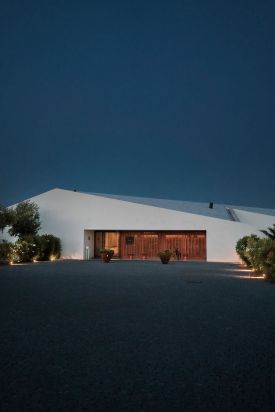
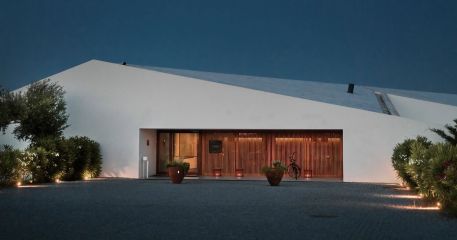
Six independently owned design hotels in Portugal, from a Porto townhouse to Algarve farmsteads, threaded by architecture, craft and quiet respect for the building's bones.
read more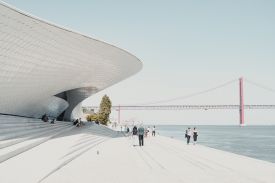
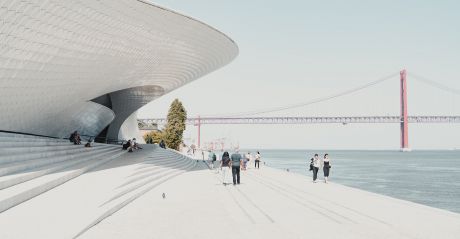
Lisbon's sleek MAAT is the city's latest cultural hub, where the worlds of architecture, art and tech collide - a museum of force in glazed ceramic form.
read more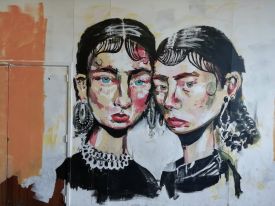
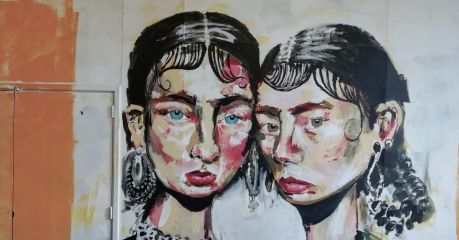
Lisbon, Portugal's legendary capital simply bursts with heritage, azulejo tiles, Pastéis de Nata & art - this is a design guide you can shop, see & drink.
read more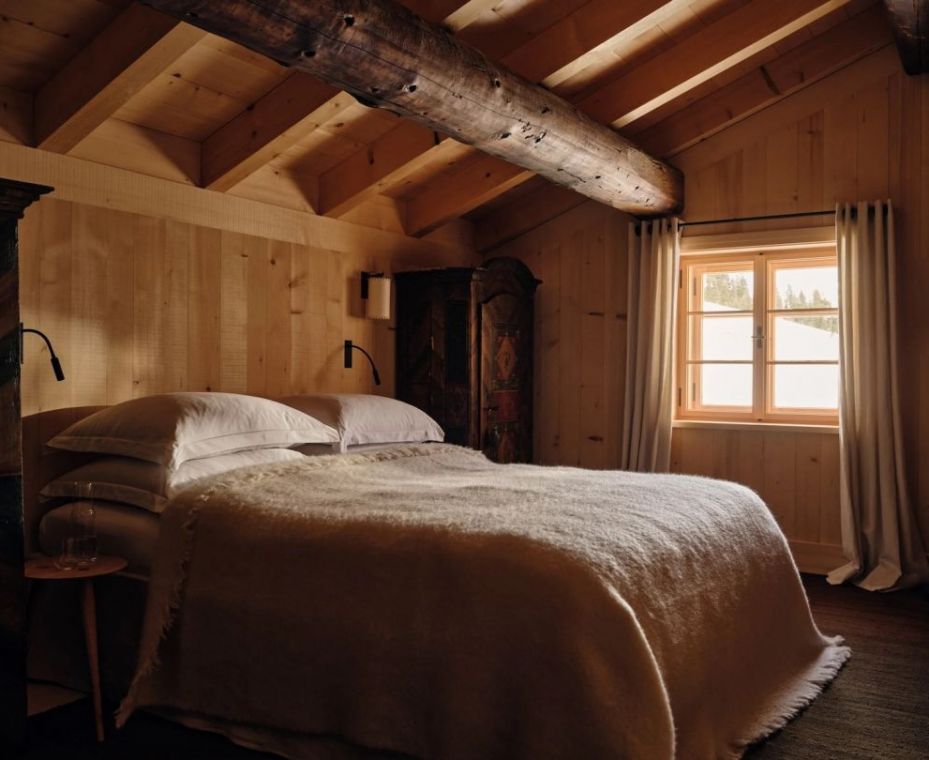
Get the insider news and lowdown on what we've been up to, where we've been, and who we've met along the way. Be the first to discover new places and get the scoop on our favourites.