JOIN the AFICIONADOS
Get the insider news and lowdown on what we've been up to, where we've been, and who we've met along the way. Be the first to discover new places and get the scoop on our favourites.

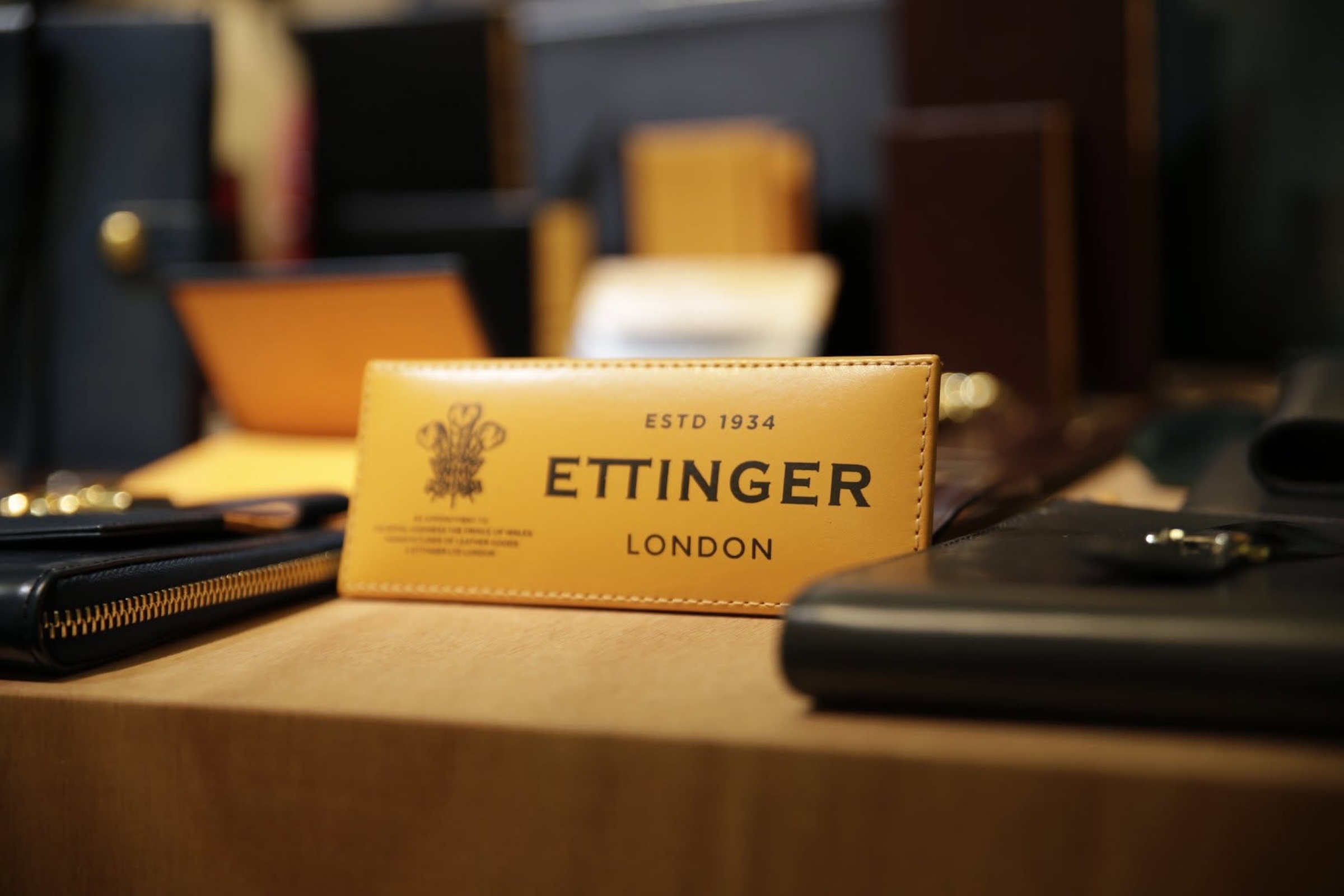
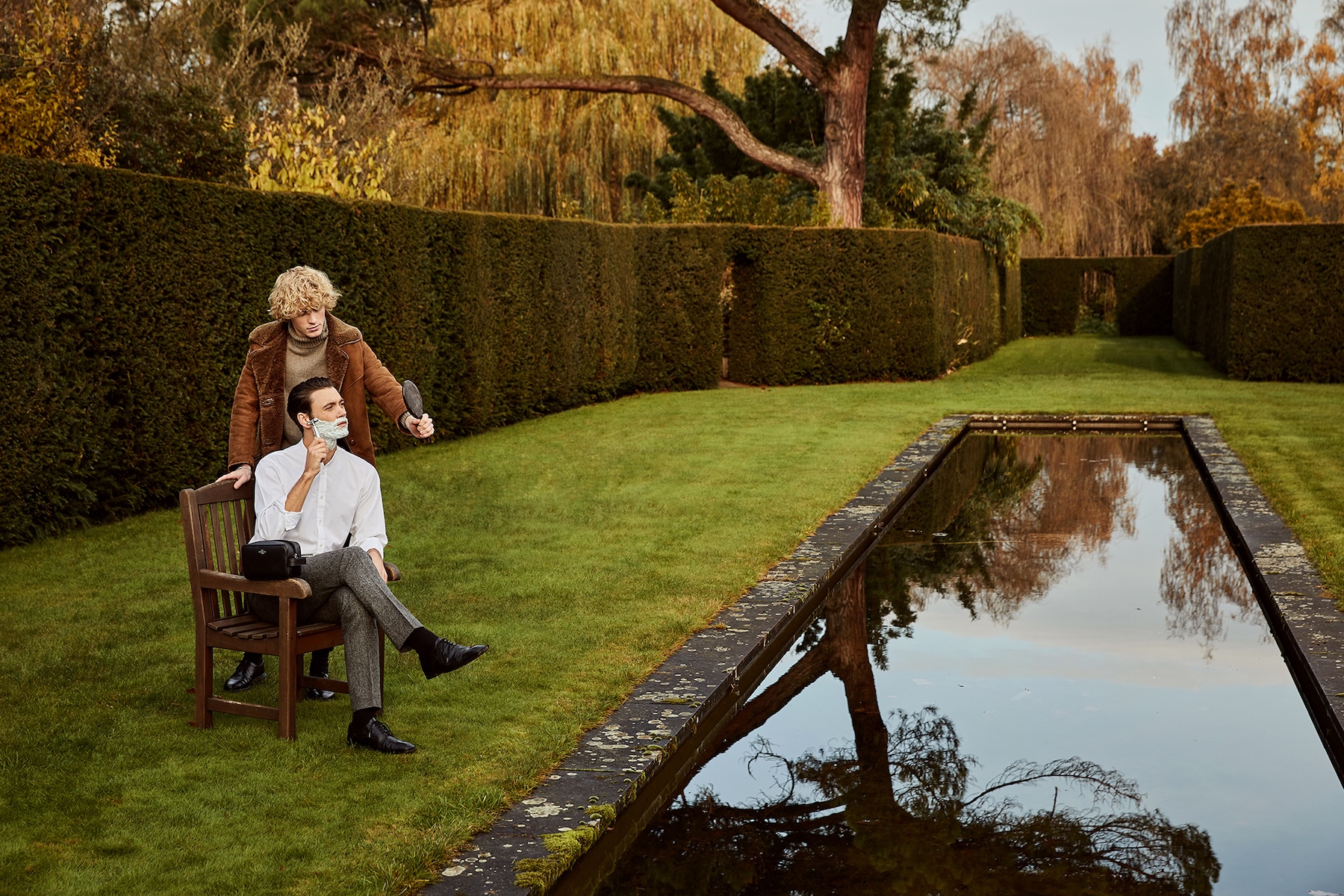
Since 1934, Ettinger has made British leather goods of a tamed, unshowy luxury: English bridle hide, Italian calf, a Walsall workbench and two Royal Warrants. Humble pieces that say a great deal about their owners.
There is a particular English reticence that finds its truest expression in leather. A wallet that never raises its voice, a briefcase without a logo in sight, a key fob worn smooth by the thumb: such things say little at a glance and a great deal on acquaintance, chiefly about the person who chose them. Ettinger has been making them for ninety years, and would much prefer you kept one for forty.
The house begins, as so many good London stories do, with an arrival. Gerry Ettinger came to the capital in 1933, took an office on Regent Street as agent to some of Germany's finest leather workshops, and founded his own name the following year. After the war, Asprey asked him to comb the continent for leather goods worthy of its Bond Street counters. By 1950 he had a factory of his own in Clerkenwell, the old leather quarter, within earshot of Smithfield; by 1953 his craftsmen were making the box for the Coronation Bell souvenir of Queen Elizabeth II, and a long acquaintance with the Royal Household had begun.
Acquaintance, in time, became appointment. A Royal Warrant from the then Prince of Wales arrived in 1996, and in 2024, the year of the company's ninetieth birthday, a second from His Majesty King Charles III. Ettinger remains a family affair. Gerry's elder son, Robert, joined in 1980 and presides today from a head office and showroom on Putney Bridge Road, on the reach of the Thames his father had in mind.
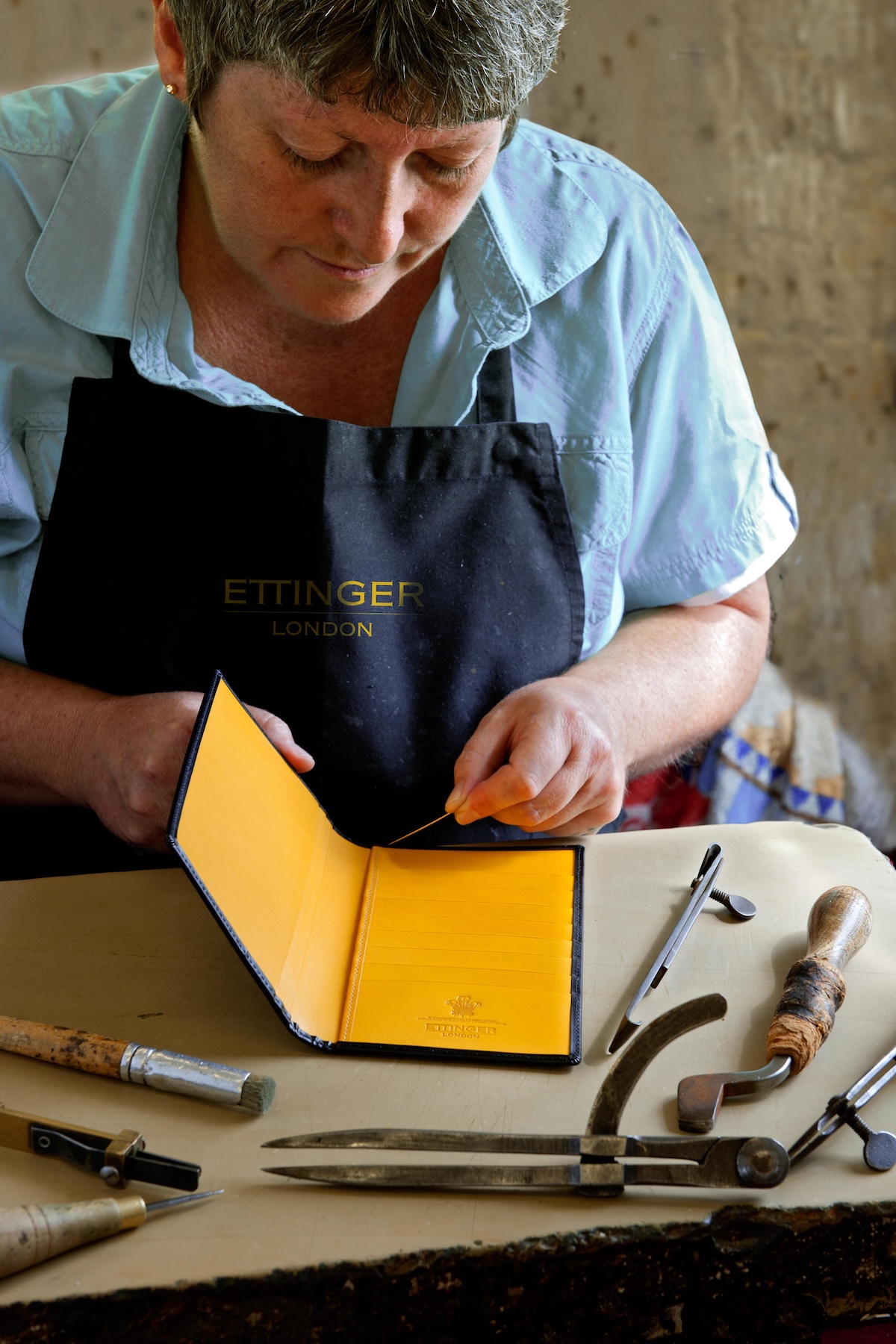
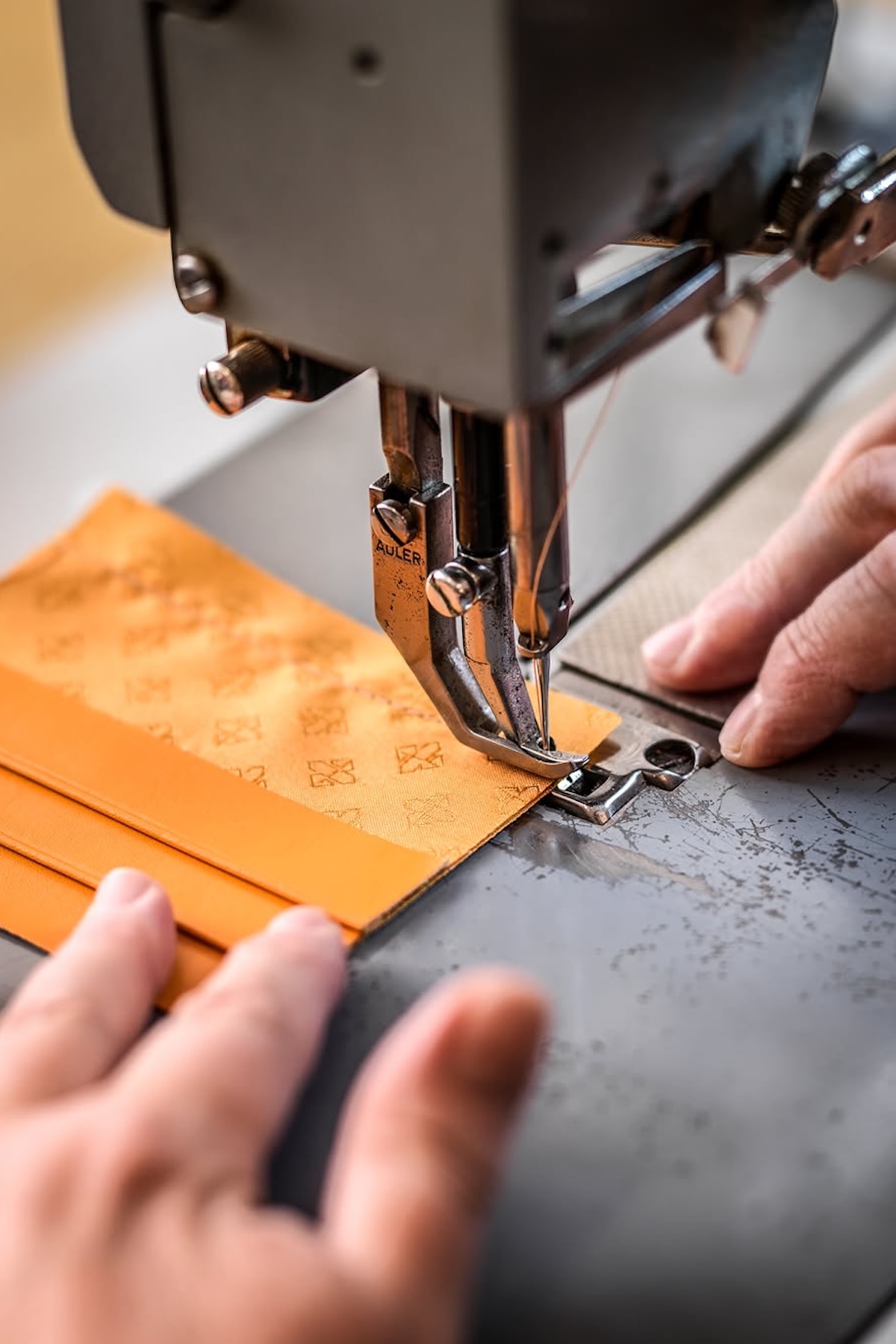
The bench, meanwhile, is in Walsall, a town that has worked leather for saddle and bridle since Victoria's day. In 1999, as rents drove the last workshops out of Clerkenwell, Ettinger acquired James Homer Ltd, a maker founded in 1890 that has never left its building, and with it a workforce whose skills pass down through families. Gary Billingham, factory manager and pattern maker, and Meg Sims, keeper of the initialling service, both began there at sixteen. Every pattern is still drawn and proved in card before a knife is put to hide.
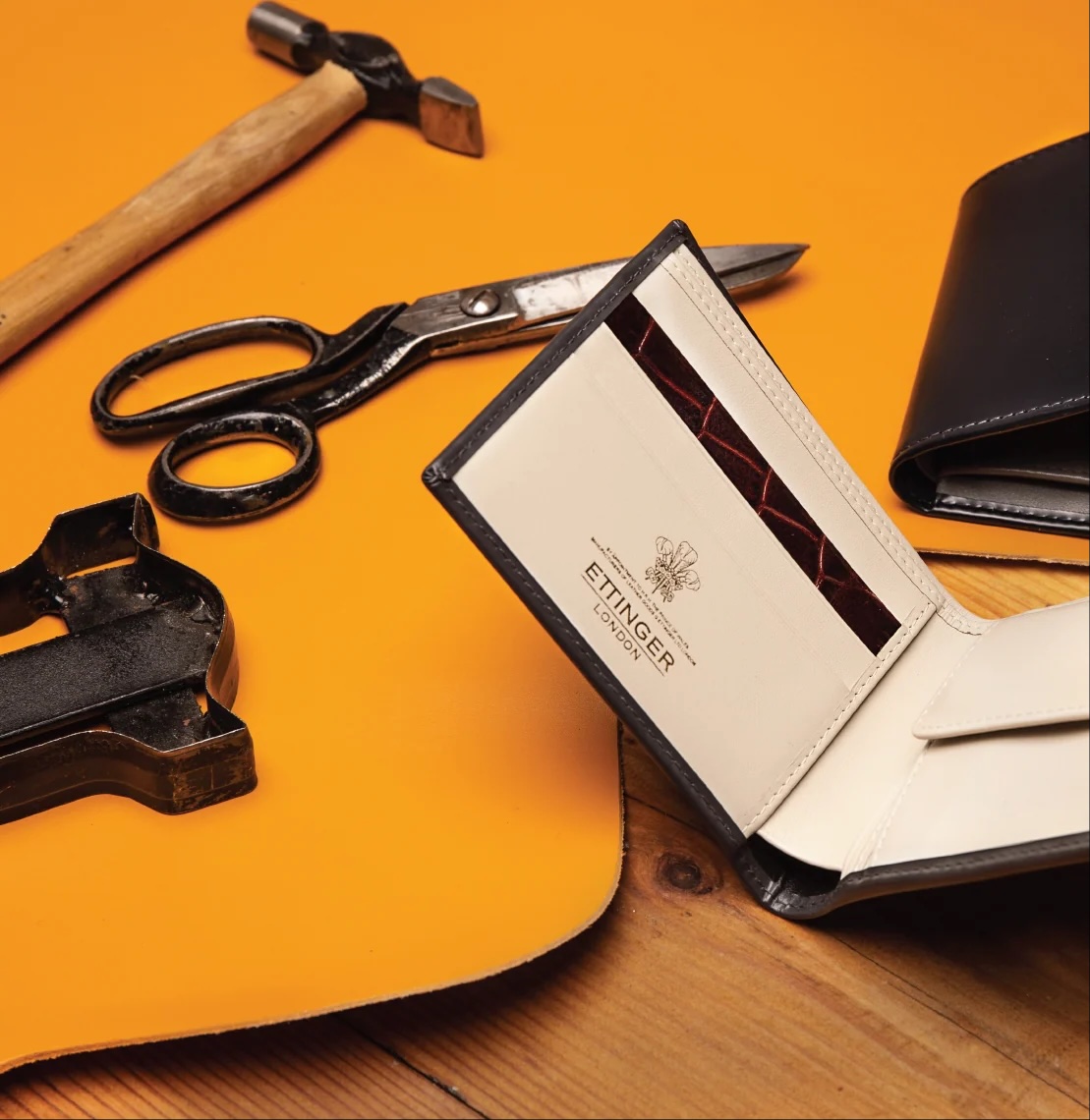
The leathers are chosen with the same quiet discipline. Ettinger buys from a small circle of European tanneries, and many of its leathers are made for the house alone. Traditional English Bridle Hide, cured in centuries-old pits and finished by hand, was born for saddle and rein; it is dense, upright and built to see off several owners. Saint Crispin calf, named for the patron saint of leatherworkers, is vegetable tanned and darkens to a patina as personal as a signature. Tuscan Buttero ripens with age like a good claret, and goat, the Morocco of the old bookbinders, has a grain of uncommon suppleness. Then there is the Sterling collection: sober Italian calf without, and within, a lining of red, orange, purple or turquoise, a private wit revealed only to its owner.
None of it bows to the season. Robert Ettinger has never cared for seasonal styles, preferring colour, proportion and objects proven in the field. The Metropolitan Bakerloo Portfolio Case went through prototype after prototype on his own business travels before he pronounced it fit for purpose.
Ettinger now travels widely in its own right, to more than 35 countries and to two shops in Tokyo, where British craft is studied with a rigour the British themselves seldom manage. Its heart, however, stays put: a Walsall bench, a hide that deepens with every passing year, and a flash of colour kept, like the best family secrets, for the owner alone. The rest of the world need only notice the patina.
Discover more at Ettinger.
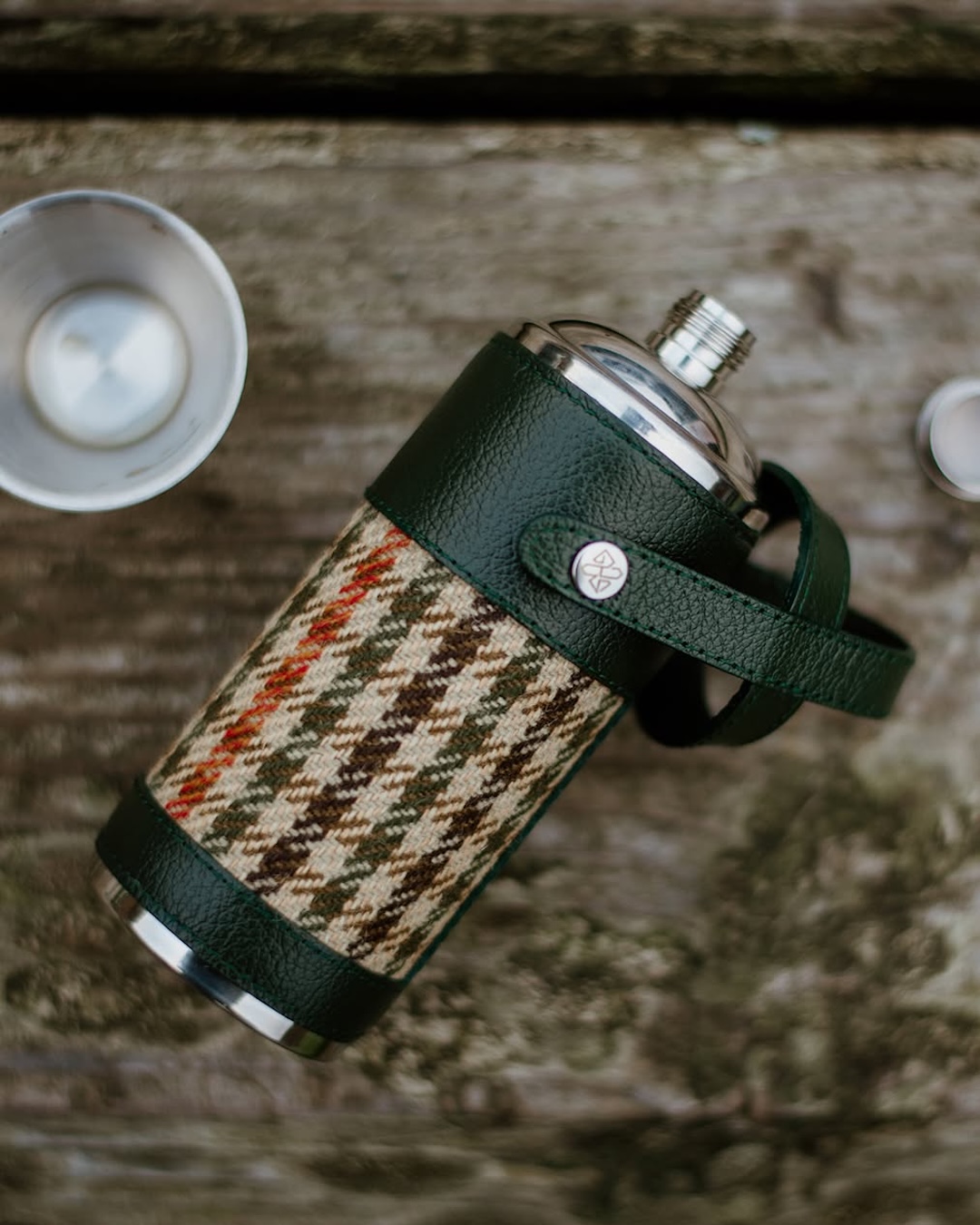
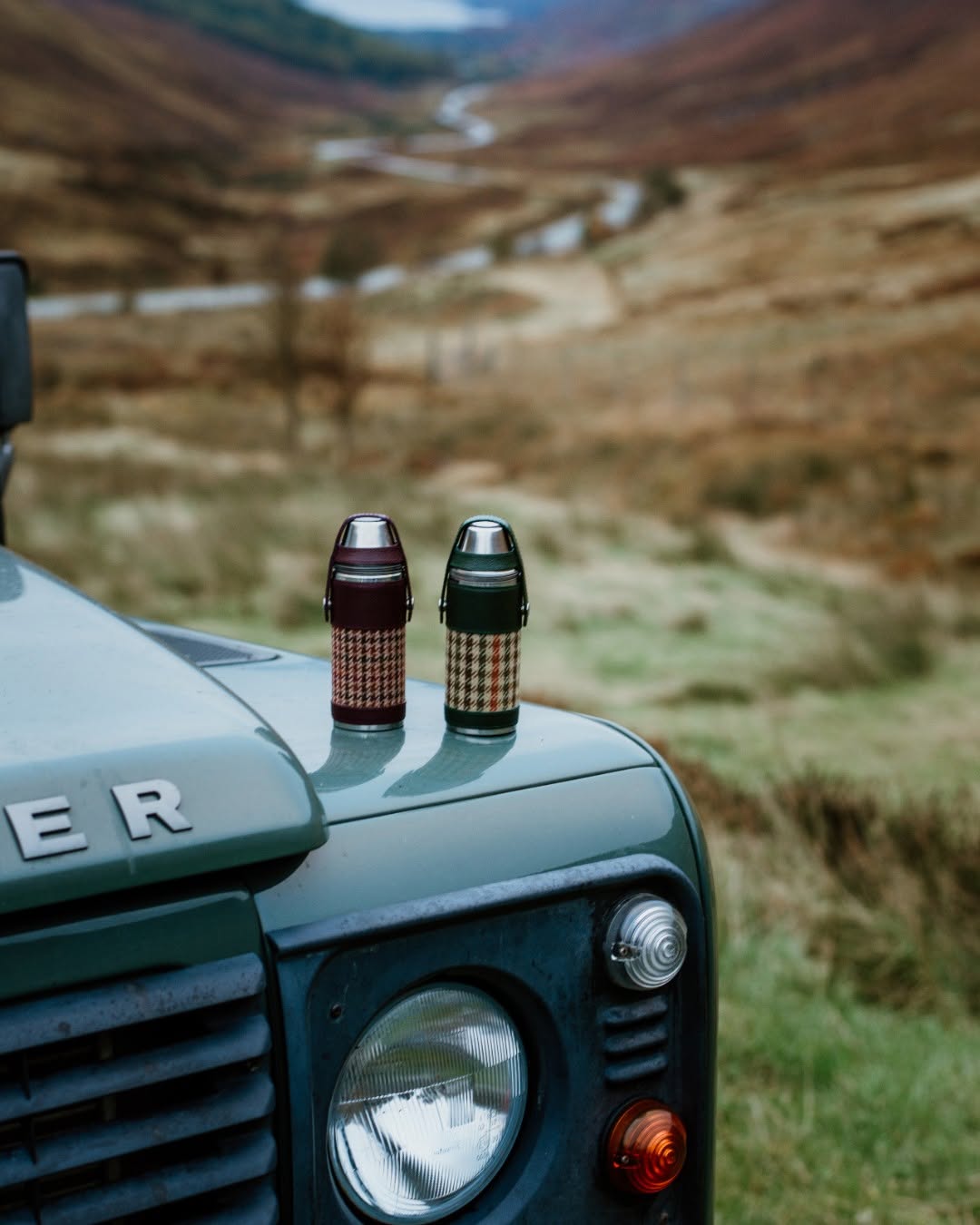


Established in 1878, the quintessentially British brand Connolly is a perfect London pitstop for those who love heritage, crafts, bespoke leather goods and the fashion essentials for travel, design, and adventure.
read more

Sisters of spaghetti, sibling architects, ethical knits, dad+son chefs at a place with no menu, to the hotels created by the minimalist aesthets – the Schgagulers, the curators – the Wiesenthals, and the glampot nostalgists – the Dissertoris, and we hop over to Syros where sisters Jasmine and Oana are rewriting island style.
read more

Somerset blends heritage and creativity: Bath’s Georgian poise, Bruton’s galleries, Glastonbury’s myth, willow weaving on the Levels, regenerative farms, cider orchards and artisan food culture rooted deeply in the land.


Bruton? It’s the Somerset village that swapped wool for world-class culture. Think Hauser & Wirth, Michelin stars, floral architecture and design studios shaping England’s most creative countryside escape.
read more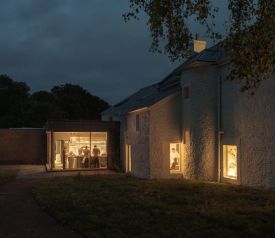
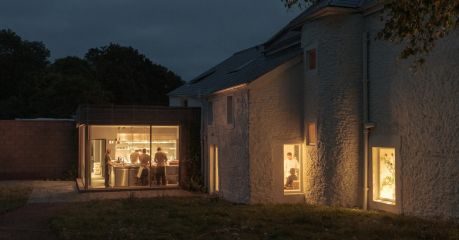
Michelin-starred Osip in Bruton, Somerset, from chef Merlin Labron-Johnson, pairs farm-to-fork dining with boutique rooms. A soulful retreat where food, design and Somerset terroir create a singular cultural escape.
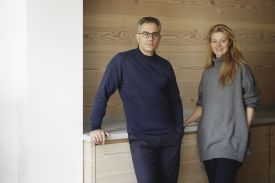
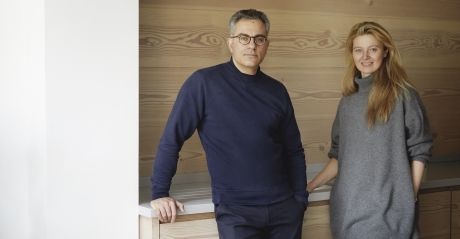
Stylish, natural, casualwear, knits, t-shirts + crafted closet essentials that are ethical, sustainable, carbon neutral and natural, created by Petra Brichnacova and Esteban Saba.
read more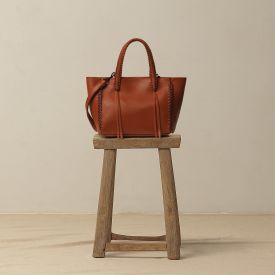
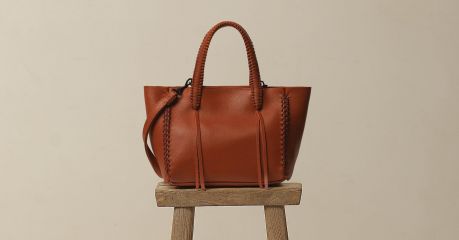
Made in their Athens atelier, Callista's bags are iconic, timeless, and one of a kind, each skilfully handmade using age-old crafts and techniques to incorporate Greek heritage.
read more

From vast Doric columns to tiny, intricately carved religious artefacts, beautifully smooth busts and imposing door lintels, the Museum of Marble Craft in Tinos reveals the surprising malleability of this revered material.
read more

Unashamedly citing themselves as ‘crafters of the world’s finest umbrellas’, founders Moses Manley and Edward Gucewicz merged a centuries-old tradition with a modern, design-focus style.
read more
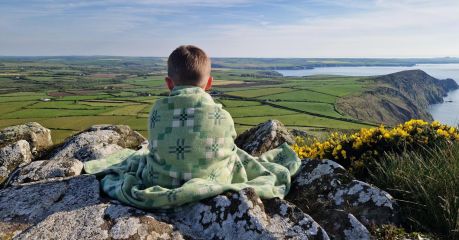
The country of Wales is a long-time respected and highly regarded producer of crafted textiles and weaving, and one of the most sought-after British manufacturers, produced in a whitewashed mill that’s been in continuous use since 1841.
read more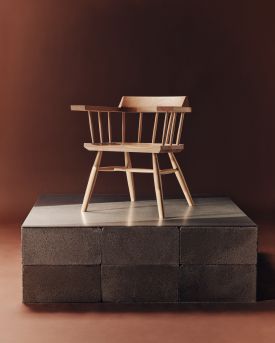
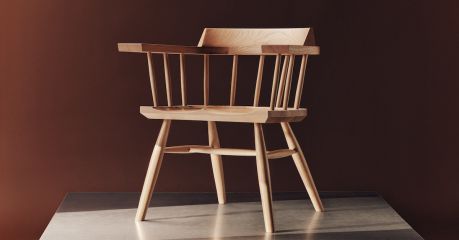
Forget folklore. This is Welsh design unplugged — raw, sharp, hand-cut and fire-warmed. The Carn Collection carves craft into culture and tradition into tomorrow.
read more

In Bruton, Somerset, Deborah Bain’s Lunaria shapes flowers as architecture. Sculptural, seasonal and artful, her floral installations transform weddings, events and interiors into bold expressions of design, nature and cultural retreat.
Get the insider news and lowdown on what we've been up to, where we've been, and who we've met along the way. Be the first to discover new places and get the scoop on our favourites.