JOIN the AFICIONADOS
Get the insider news and lowdown on what we've been up to, where we've been, and who we've met along the way. Be the first to discover new places and get the scoop on our favourites.

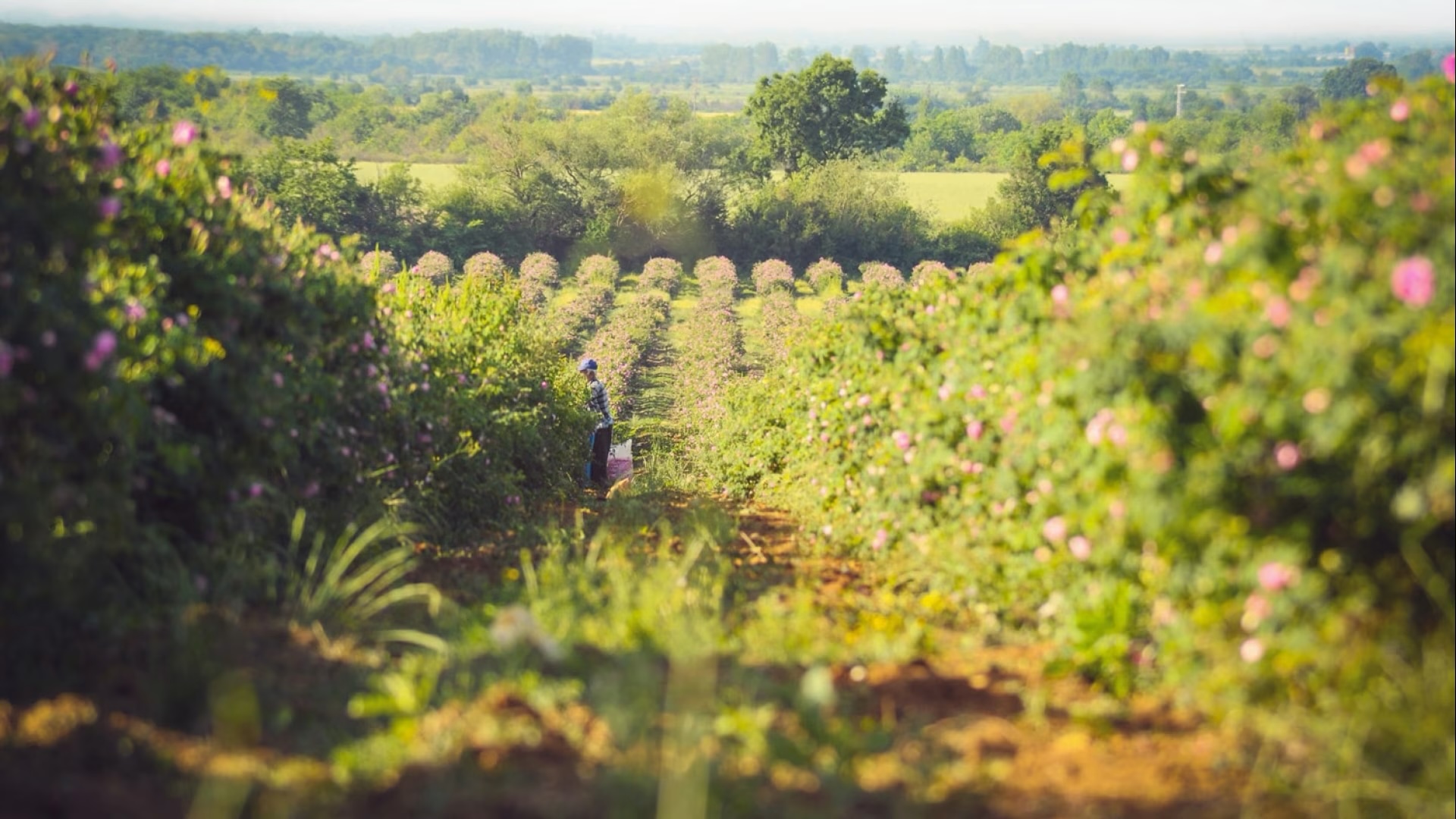
Lavender cut at first light, before the heat lifts the oils. Rosemary growing low and resinous along the field edges. Marigold, St John's wort, wild mint. Honeybees working the calendula. A stillhouse where essential oils are drawn from stems and petals, unhurried, in the old way. This is the Sienese countryside as it has always operated: a laboratory of extraordinary generosity, and one that, for centuries, travellers came to specifically for its restorative properties. The land here is mineral-rich, fed by thermal waters and laced with silver and crystal deposits beneath the soil. It has always known something about healing. Seed to Skin Tuscany simply learned to listen.
There are skincare brands that invoke nature as a mood board, and then there are those that grow it. Seed to Skin belongs emphatically to the latter camp. Born on a 300-acre organic estate in the hills of Chiusdino, the brand occupies a genuinely rare position: it is simultaneously a farm, a laboratory, a spa philosophy, and one of the most rigorous skincare operations in Europe.
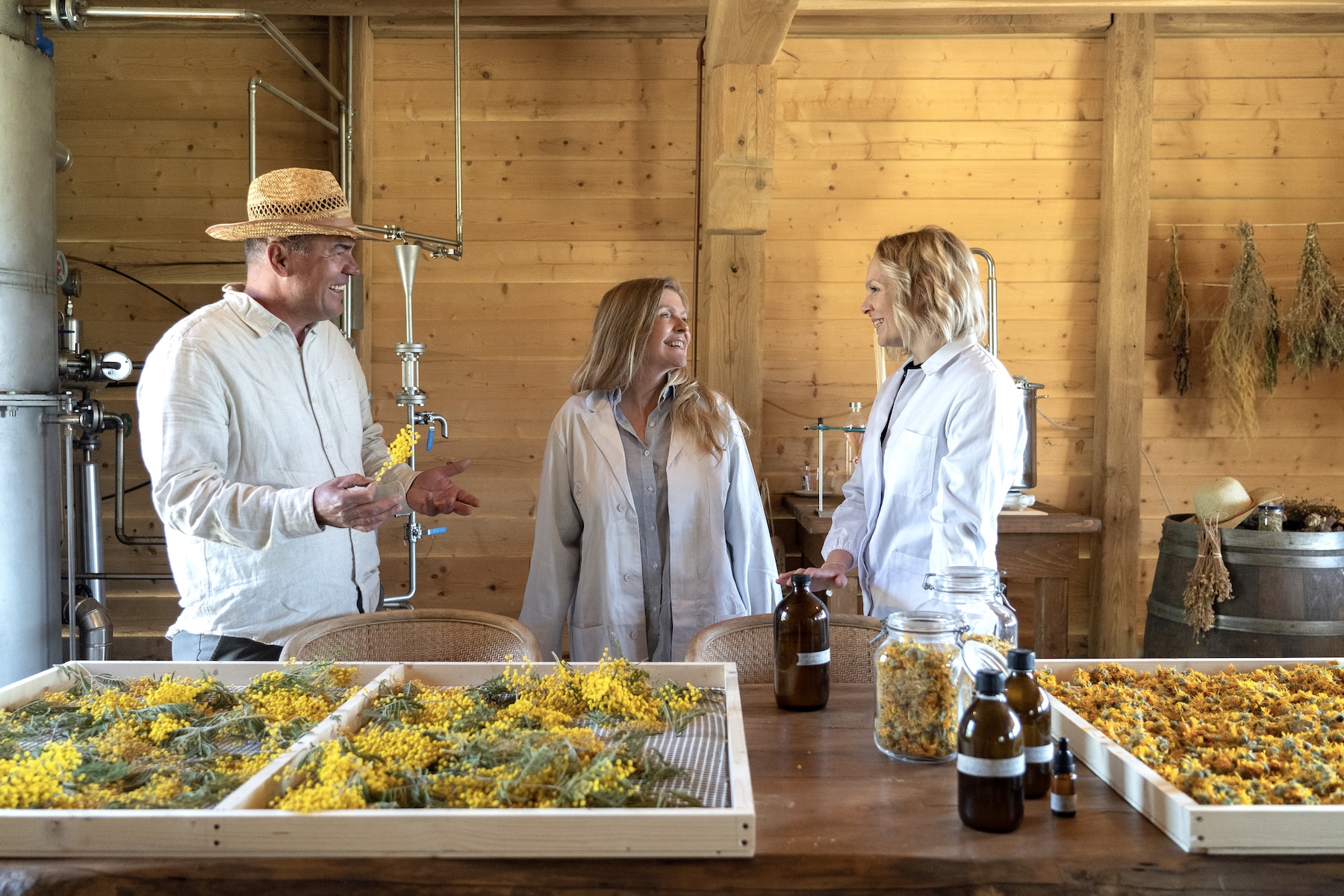
The story begins with its founder, Jeanette Grøn Thottrup, a Danish former fashion designer whose years of exploring alternative therapies and natural medicine, during a deeply personal journey to conceive her son Vincent, brought her to a particular understanding of the landscape she had made her home. "The land has its own intelligence," she says, "its own timing, its own way of restoring balance. As we became its guardians, our role was never to impose, but to understand." Seed to Skin, as she tells it, was born at that intersection: "between nature, the body's molecular intelligence, and the years of research that followed."
What sets Thottrup apart from the growing field of botanical beauty is her refusal to let conviction substitute for proof. "Healing, for me, is not a romantic idea," she says plainly. "It is a practice that can be understood, refined, and lived every day." Alongside her intuitive study of herbalism she pursued a formal scientific grounding, and the same dual logic now defines the brand's entire operation. Her partner in this is Dr Anna Buonocore, a scientist with a doctorate from the University of Siena spanning both Pharmacy and Cosmetic Science, whose years at the laboratory bench have been woven together with Jeanette's command of natural medicine to produce something that operates at a different level to almost anything else in the field.
The resulting framework, which the brand calls Green Molecular Science, takes that marriage seriously at a molecular level: using, in Jeanette's own words, "fermentation, hyperfermentation and micro-encapsulation to refine molecular size and unlock more efficient molecular transformations, so that each ingredient can reach the skin in its most active and bioavailable form." It is not a marketing phrase so much as a methodology, validated by independent clinical trials and built, quite literally, from the ground up.
The control this makes possible is, for Jeanette, the whole point. "It allows integrity at every stage," she says. "Every decision, how something is grown, when it is harvested, how it is extracted, how it is formulated, is aligned. It allows us to preserve the vitality of each ingredient, optimise its bioavailability, and ensure a degree of consistency and performance that would be difficult to achieve otherwise." Nothing is outsourced. Every product is handmade on site and assigned its own batch number, a level of traceability that is almost unheard of at this scale. What the estate cannot grow itself is sourced from a small, carefully chosen circle of ethical micro-producers and wild foragers, working both land and sea.
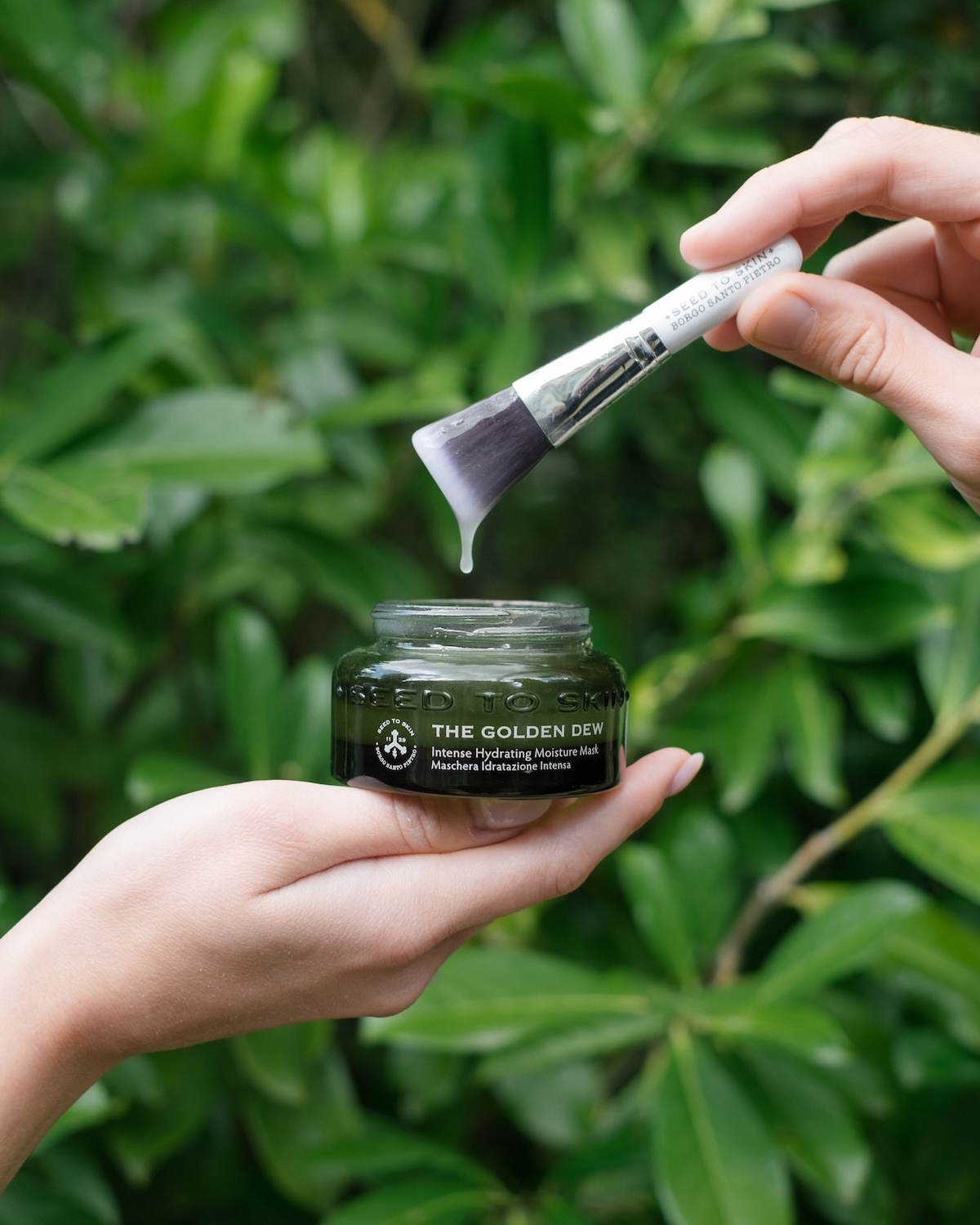
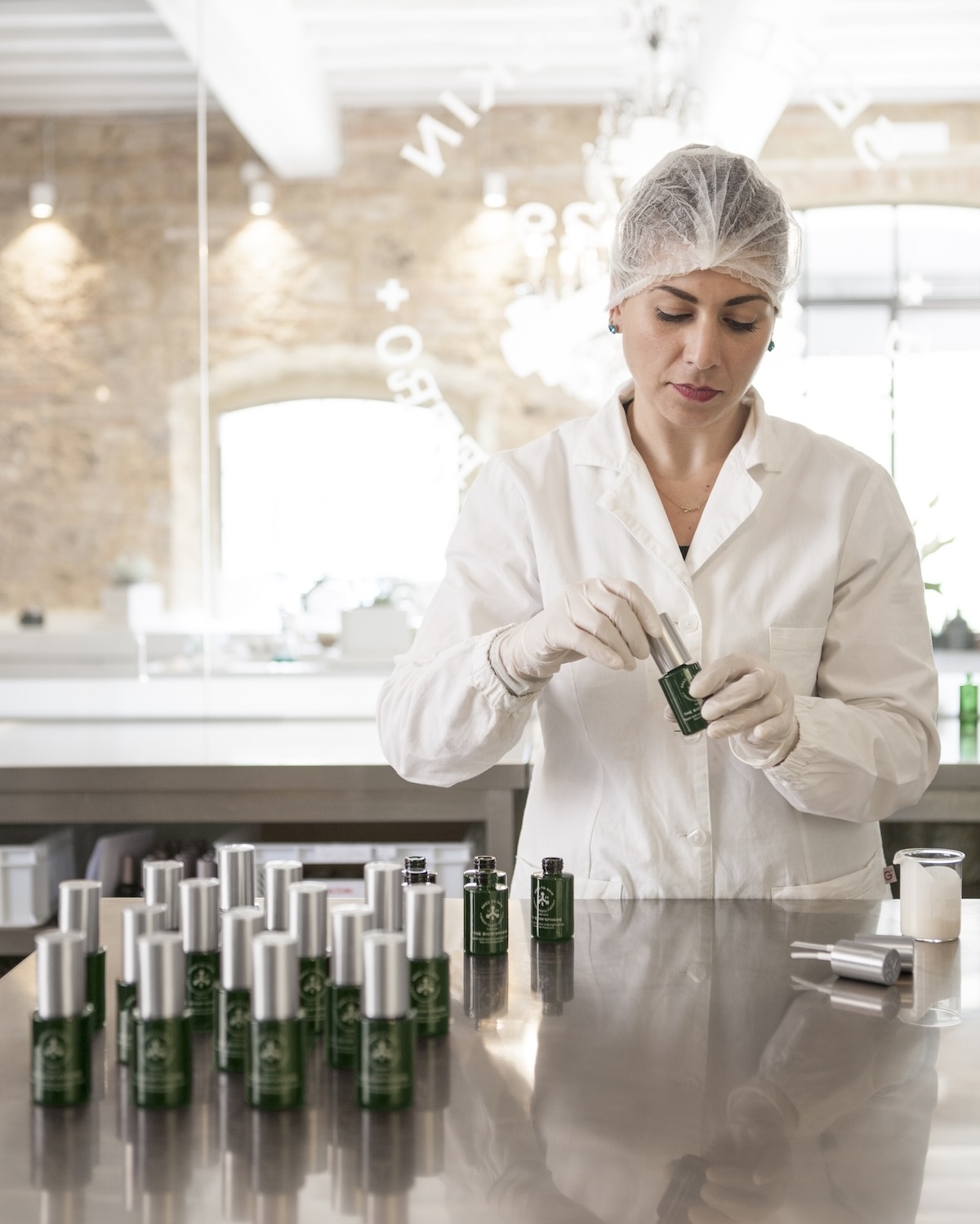
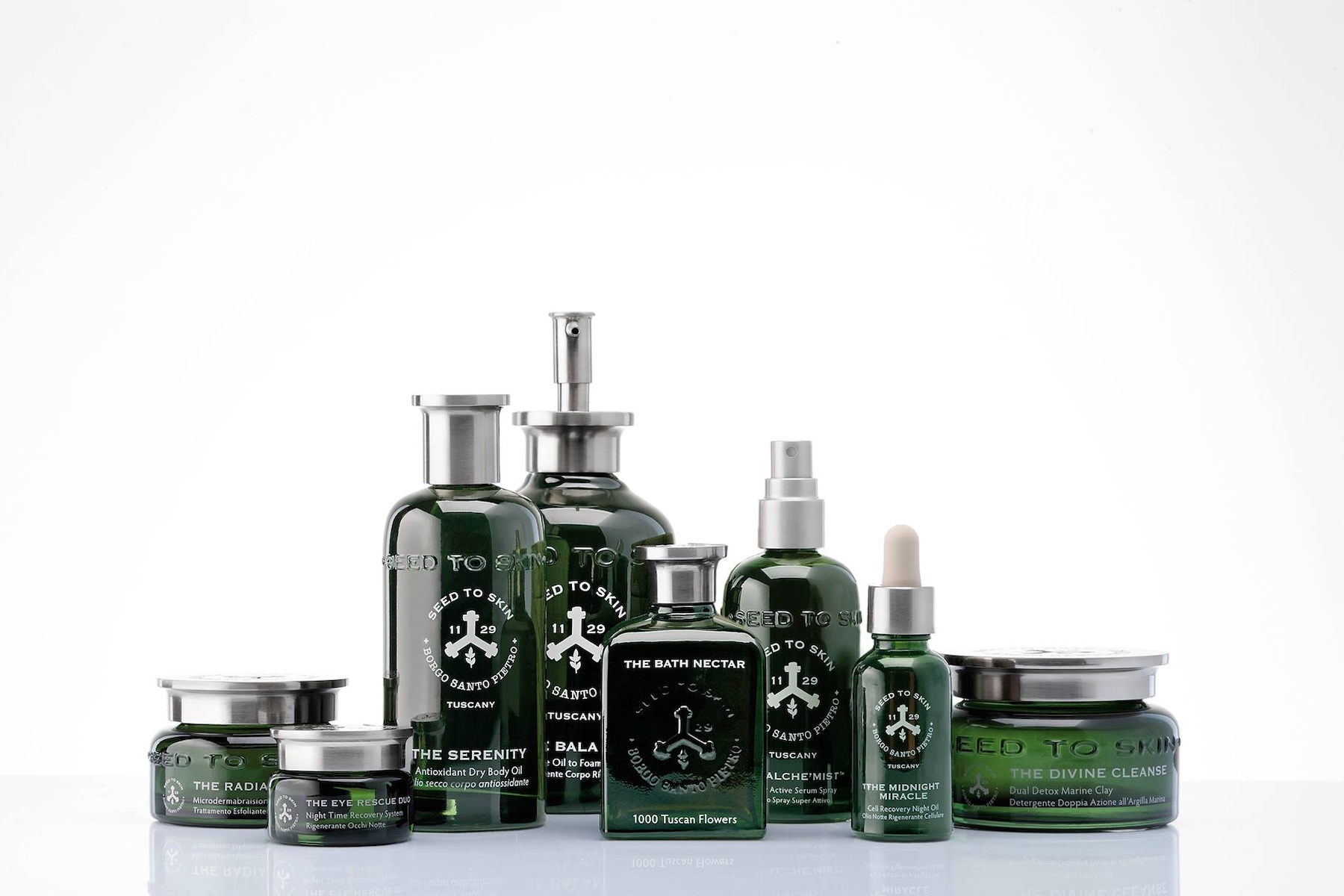
The products are where all of this becomes something you actually feel. The Divine Cleanse, where the brand began, is a honey-like oil that transforms to milk on contact, working green marine clay, sweet almond oil and white grapefruit extract into skin that emerges noticeably cleaner and calmer. Then there is The Black Magic, the cult detox mask that arrives smelling improbably of chocolate and marzipan: volcanic clay and activated charcoal combined with an oxygen complex that reaches deep into the skin to drive cell regeneration and collagen production. The Golden Dew is its temperamental opposite, a jelly-like hydrating mask scented with calendula and built around a marine ferment that behaves like a naturally derived hyaluronic acid. And at night, the Midnight Miracle Cell Recovery Oil, rose geranium and sandalwood, does the kind of quiet, patient work that shows on your skin by morning. These are not products you use and forget. They have a presence.
That patience is deliberate and defended. In a market that rewards urgency, Jeanette holds a different position: "Time is not something to be removed, but something that enables transformation." The formulations are designed to support the skin over the long term, she explains, "evolving with it rather than overriding it, delivering immediate results while continuing to improve the skin's condition over months and years." It is not about choosing between nature and results, as she puts it, "but about allowing nature to perform at its highest level."
The global spa footprint reflects that positioning. Partners include the Mandarin Oriental in London and Paris, Passalacqua on Lake Como, and Grand Hotel Son Net in Mallorca: properties that share an understanding that genuine wellness is not an amenity but an architecture. Most recently, the brand announced a partnership with cosmetic doctor Arthur Swift, who joins as investor, board member and research partner, bringing with him deep clinical knowledge of skin biology and a focus on advancing Seed to Skin's formulations into medical spa environments.
Seed to Skin does not ask you to choose between ethics and efficacy. It has made that argument redundant.
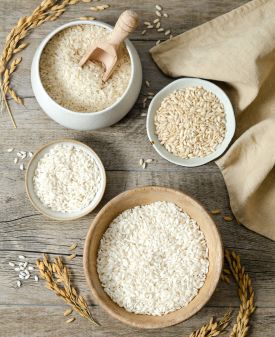
Ariane was living in New York as a lobbyist for sustainable and organic farmers when she felt the pull of her family’s farm in Tuscany. With her experience in sustainable agriculture, she decided to begin the journey to organic certification for her rice farm.
read more
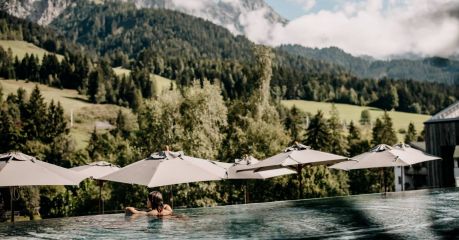
The perfect summer pairing must be spa and hike – and where better to indulge than in a luxury retreat hotel clasped in the alpine mountains framed by snow-dusted peaks.
read more
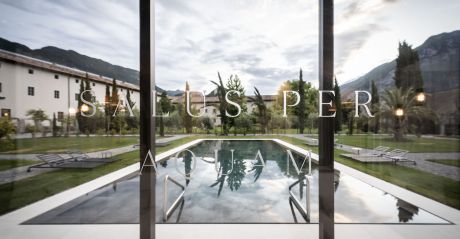
A design-led spa near Lake Garda, where monastic calm, minimalist architecture and garden rituals converge within the cloistered sanctuary of Monastero Arx Vivendi in Arco, Trentino.
read more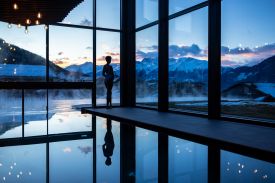
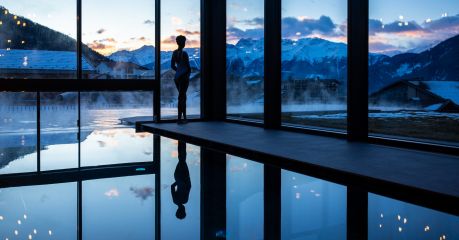
At Weißes Kreuz in Burgeis, Aura mea is one of South Tyrol’s best spa experiences, adults only wellness shaped by ancient stone, Sarner Porphyry, panoramic pools and Alpine stillness.
read more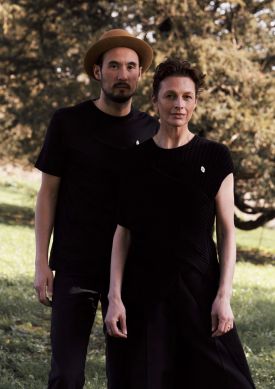
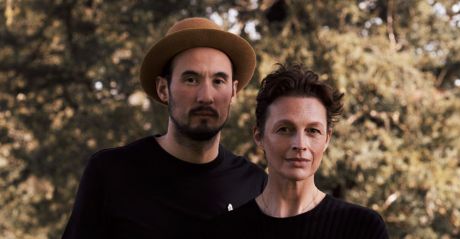
Transform your wellness routine with mindful luxury crafted from nature. Commune's creations blend sustainability and elegance, elevating everyday rituals into extraordinary moments.
read more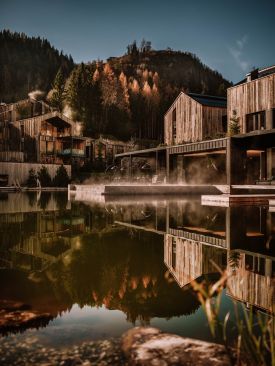
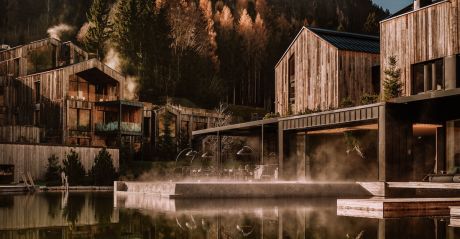
Wellness and the Alps have always been inextricably linked due to the abundance of fresh mountain air, crystal clear water and the proximity of nose-tingling pine forests.
read more
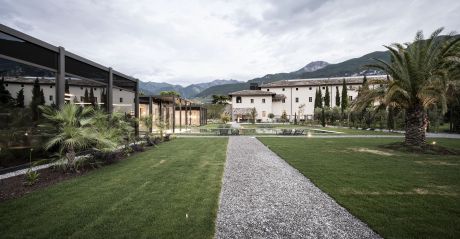
Once the home of devout Sisters, its aged cloistral heritage has been recast following an exacting narrative of preservation, reframing the monastic aesthetics for the modern nomad without corrupting the patina of austere beauty and timeworn touchpoints.
read more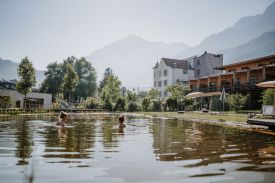
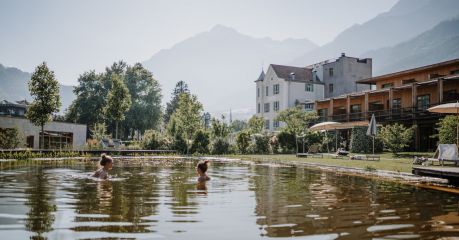
History, design, calmed wellness and an interior of modern heritage make this hotel-apartment refuge close to Merano the perfect pitstop for some downtime and closeness to nature.
read more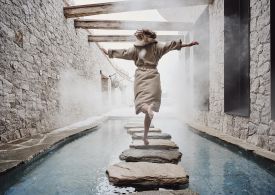
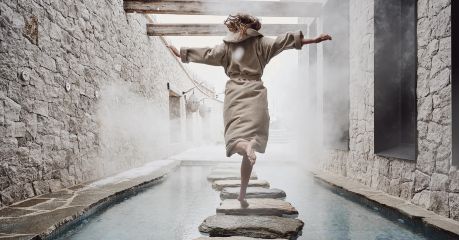
Driftwood, spring water and elemental heat. Engel Spa is a raw Alpine hideaway where design restores and nature recalibrates. This is wellness with altitude and intention.
read more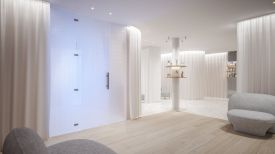
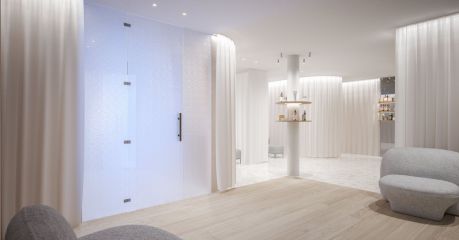
Cryo at –110°, forest rituals, biohacks and breathwork – Forsthofgut’s waldSPA Health carves out a bold new rhythm of Alpine wellness where design, diagnostics and elemental nature power the body back to life.
read more
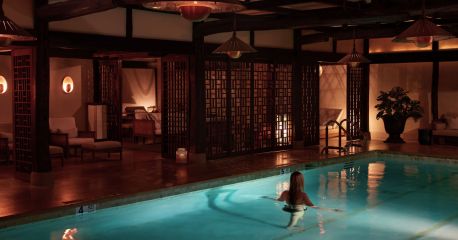
Manhattan goes minimalist. Hidden in The Greenwich Hotel, Shibui Spa channels Japanese Onsen rituals, ancient bodywork and luxury healing in a space built from 250-year-old temple wood.
read more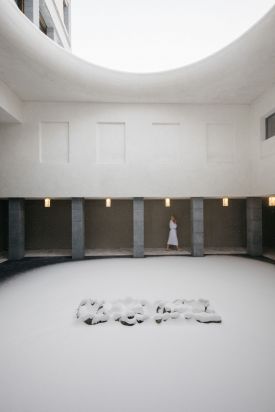
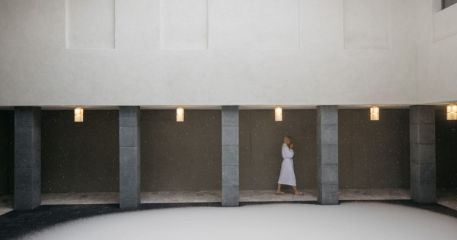
A spa sanctuary of raw architecture and rooted calm — MAISTRA 160 in Pontresina cocoons guests in an elemental world of stone, steam and alpine air, where design becomes a healing ritual.
Get the insider news and lowdown on what we've been up to, where we've been, and who we've met along the way. Be the first to discover new places and get the scoop on our favourites.