JOIN the AFICIONADOS
Get the insider news and lowdown on what we've been up to, where we've been, and who we've met along the way. Be the first to discover new places and get the scoop on our favourites.

No country on earth has compressed as much aesthetic intelligence into daily life. The tea ceremony and the convenience store operate on the same underlying logic: that the ordinary, handled with total conviction, becomes extraordinary. It is a philosophy visible in a lacquered bento box, in the geometry of a Kyoto garden, in the silence of a Shinkansen carriage running at 320 kilometres per hour and arriving, to the second, on time.
The Golden Route: Tokyo to Kyoto via Hakone and Osaka earns its status. These are genuinely world-class cities and any serious engagement with Japan starts here. Tokyo is the most complex urban environment on earth. Kyoto holds the architectural and spiritual grammar of Japanese culture. Osaka runs louder and warmer than either and feeds you better. Hiroshima carries its history with uncommon dignity.
But Japan continues far beyond these coordinates. Kanazawa preserves an Edo-period urban core that Kyoto has largely lost. Naoshima has turned a small Seto Inland Sea island into one of the world's most significant sites of art and architecture. The Sea of Japan coast, running north through Niigata and into Tohoku, offers a version of the country that most visitors never find: quieter, colder, and considerably more revealing. Our guides to Niigata Prefecture and Shibata begin that exploration.
Japan is not a destination you finish. It is one you return to, each time finding a different city, a different season, a different layer of the same extraordinary whole.
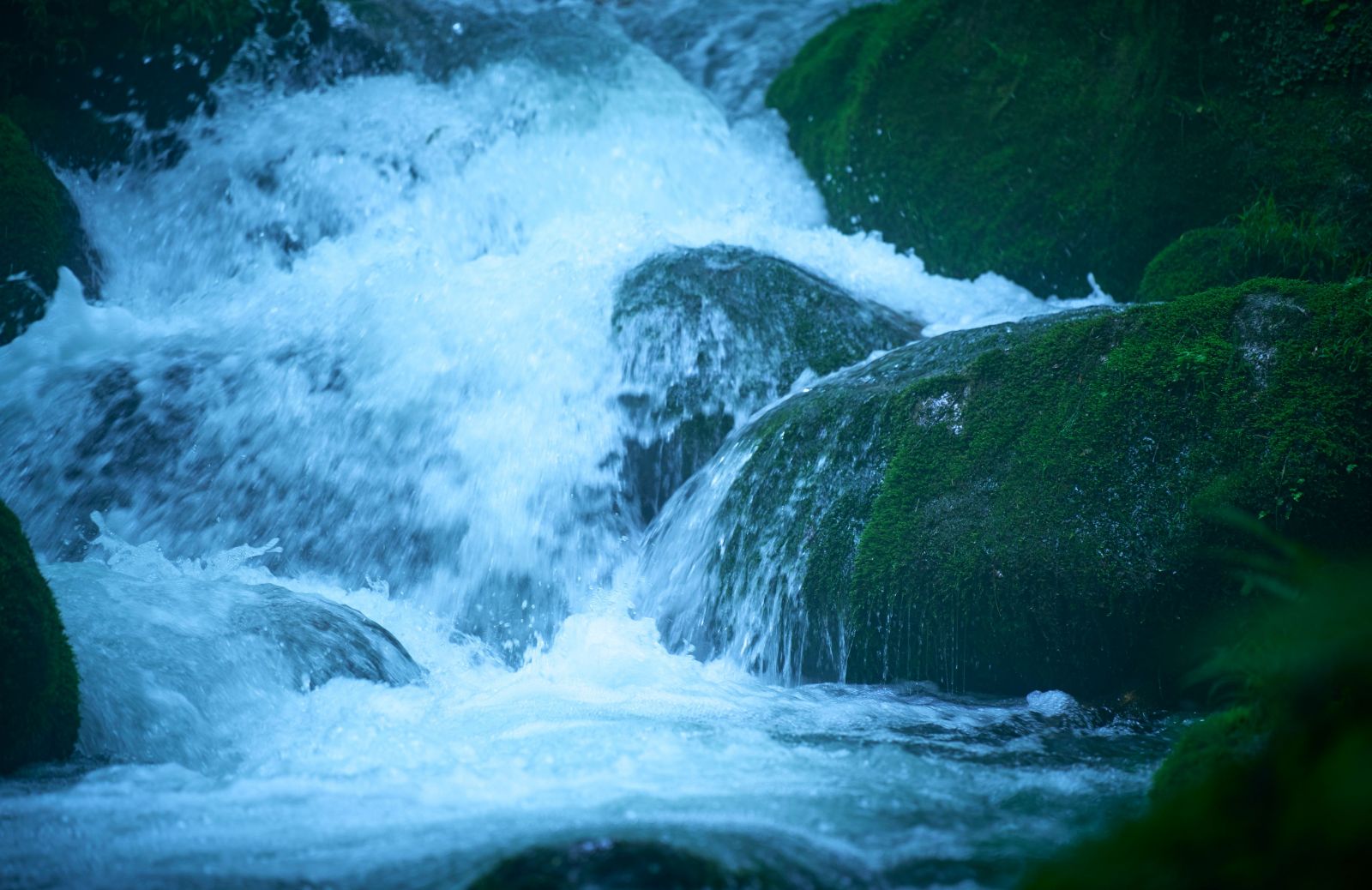
Japan's most underestimated prefecture. Niigata means Koshihikari rice, exceptional sake, a world-class art field and castle towns the Shinkansen passes through without stopping.
read more
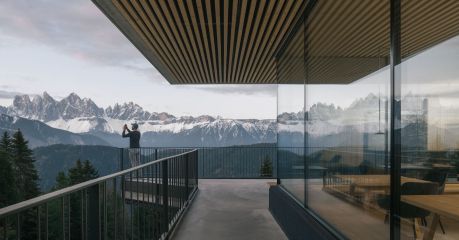
Seven architectural guesthouse-hotels harnessed by nature and the surroundings, from a Norwegian gorge to a Japanese rice paddy. All built by architects who agreed to let the landscape be the dialogue.
read more
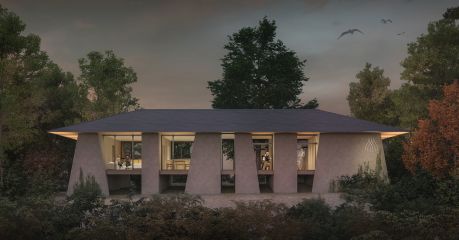
Discover Auberge Né, the Niigata auberge by Kenta Fukunishi, built from fermented soil and wooden piles alone. Now a 2026 Architizer A+Awards Winner.
read more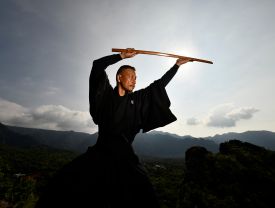
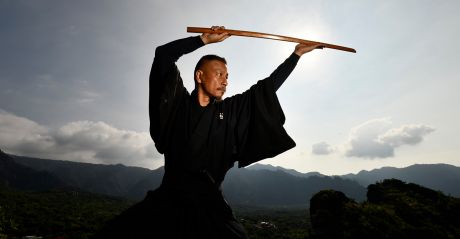
For four days this September, a living Samurai master opens a 16-generation tradition at AHAMA, Turkey. Sword meditation at sunrise, stillness by the sea, and a rare return to intuition.
read more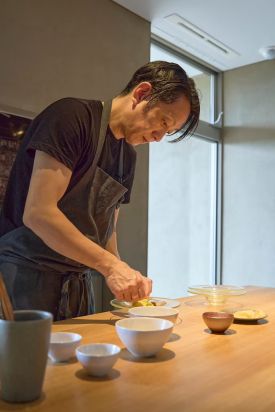
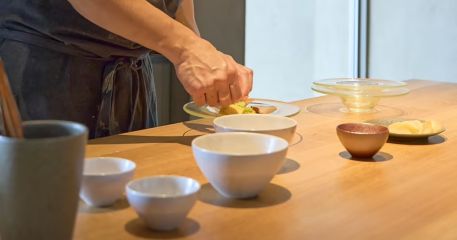
Chef Makoto Fuse cooks thirteen courses for one table nightly at Auberge Né, Niigata: bear, bee larvae, unripe tomato and a snowbound winter's quiet patience.
Body copy
Get the insider news and lowdown on what we've been up to, where we've been, and who we've met along the way. Be the first to discover new places and get the scoop on our favourites.