JOIN the AFICIONADOS
Get the insider news and lowdown on what we've been up to, where we've been, and who we've met along the way. Be the first to discover new places and get the scoop on our favourites.

Begin at the threshold, worn into a shallow curve by the feet of centuries crossing it on the same errand. Rustico is the most overworked word in interior design, and that worn hollow tells the real thing from the expensive imitation: the rustic can be styled, but the wear cannot. This is our edit of the working countryside, design-led farmhouses and converted estates set inland and unhurried, where the land still does a day's labour and the architecture has earned its patina rather than bought it. What these houses share is an honesty no decorator can fake, and the particular relief of having stopped performing your life long enough to live it. If you love a worn flagstone floor, a leaning stone wall and the deep patina of age, these are for you: five working concerns as much as hotels, across France, Italy and Spain, each first published in the launch issue of Unwaxed Lemons, our print magazine. We have gathered them here for anyone plotting a slower kind of escape.
What unites them is that the work is real. At Susafa, a 500-hectare masseria in the rural Sicilian interior, the Saeli-Rizzuto family have farmed the land for over two centuries, and it is the current custodian, Manfredi Rizzuto, who has reset the estate as a working farm-hotel of analogue luxury. The renovation repurposes what was already there, the old milking parlours, wine presses and stables becoming rooms, the marks of centuries left visible in the timbers and floors; the restaurant occupies the former granary, the bar the old wine press. Su-sa-fa means it can be done in Sicilian dialect, and so it has. The same agricultural conviction runs through Ca'n Beneït, a seventy-hectare finca in Mallorca's Tramuntana foothills where ancient olive groves, a medieval alqueria and a 200-year-old chapel meet an owner-led restoration. Its name translates as house of the blessed, and Toni Duran, who acquired it after years of admiring it on runs past his home nearby, calls himself not a proprietor but a custodian, the finca held in trust.
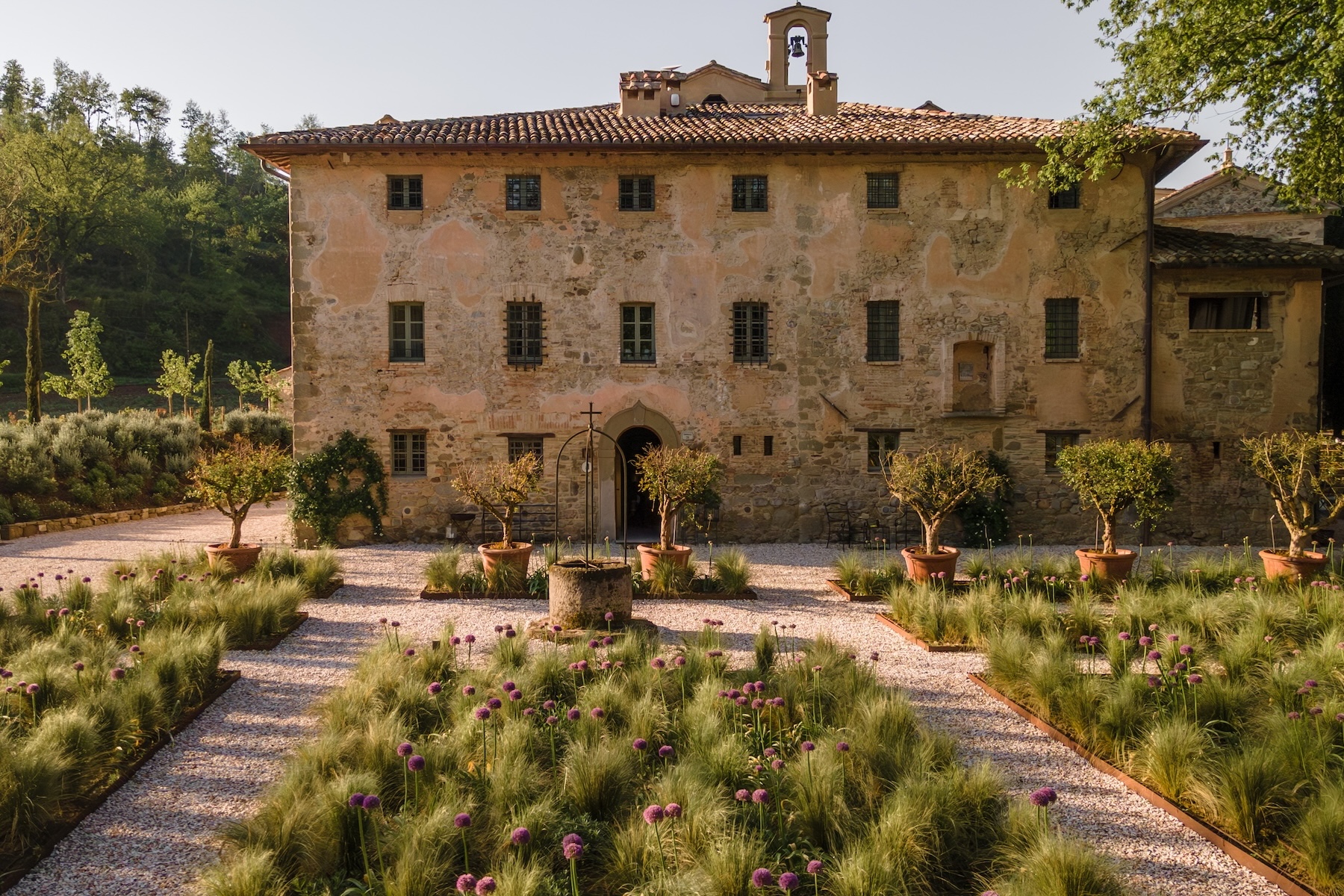
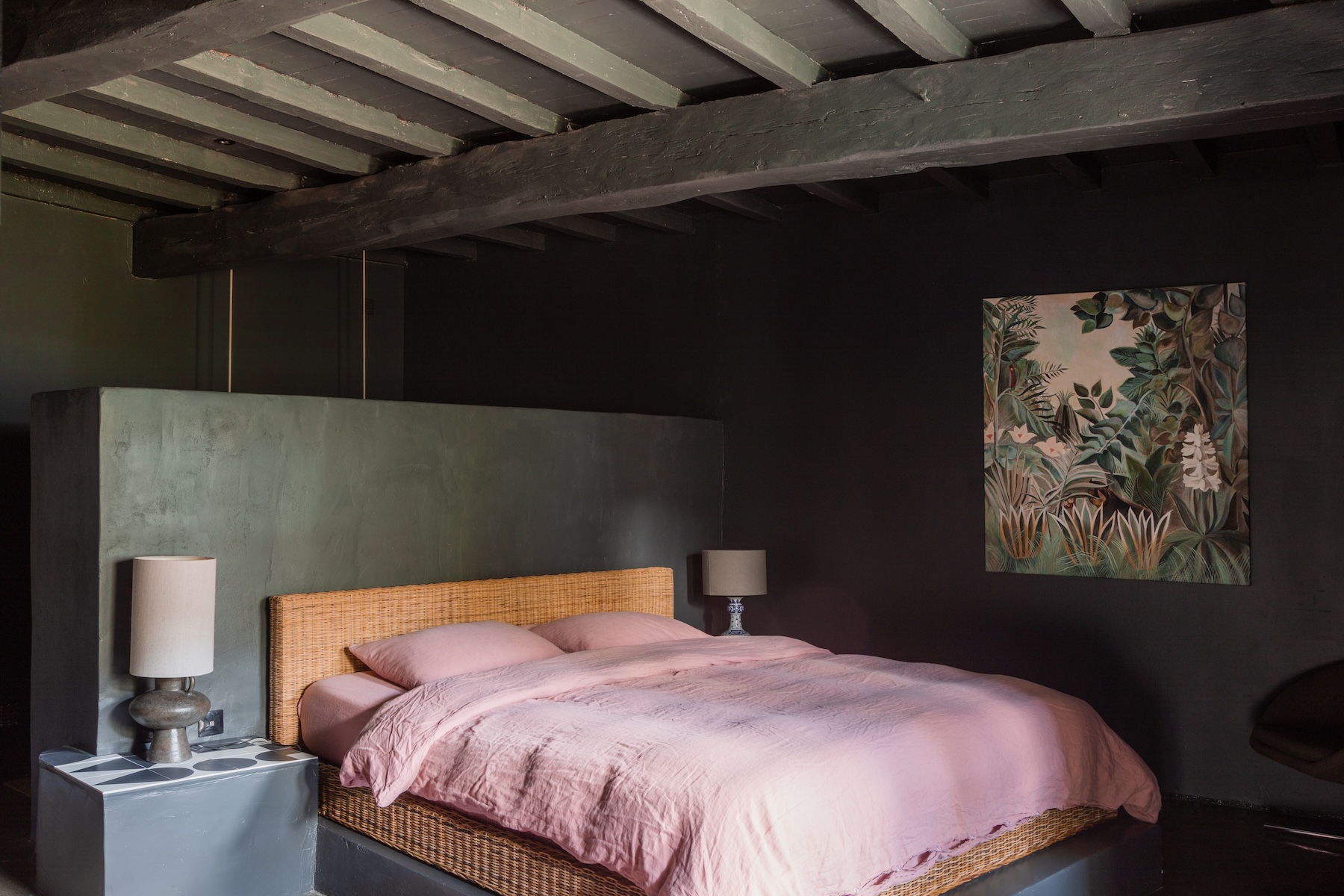
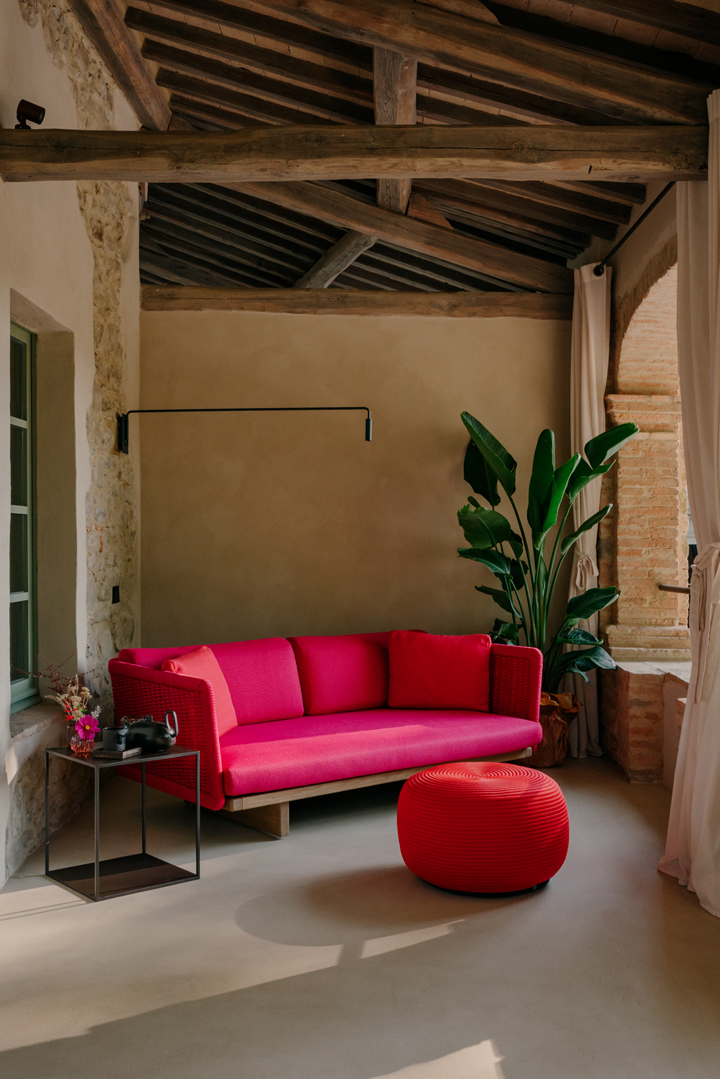
Where those two lead with the land, others lead with the building. Vocabolo Moscatelli is a 12th-century Umbrian monastery brought back to life by the architect Jacopo Venerosi Pesciolini of Florence's Studio Archiloop, who describes the work as a kind of architectural listening: remove a finish, a door, a covering, he says, and the place begins to breathe again. The credentials are quietly stacked, glazed terracotta by Cotto Etrusco, iron four-posters forged by the century-old blacksmith Lispi & Co., lighting from Flos and Davide Groppi, the long Umbrian afternoons left to do the rest. A similar dialogue between old structure and collected modern hand shapes Maison Duroy, a former royal hunting lodge in the easel-grabbing light of Gascogne, where owners Sylvia and François treat the rooms as a living archive of a lifetime's travel, Hans J. Wegner chairs and Japanese vases and flea-market finds with a Gallic soul all in conversation with 300-year-old beams. It is unashamedly romantic and very French, a place to watch the valley change colour, Armagnac in hand.
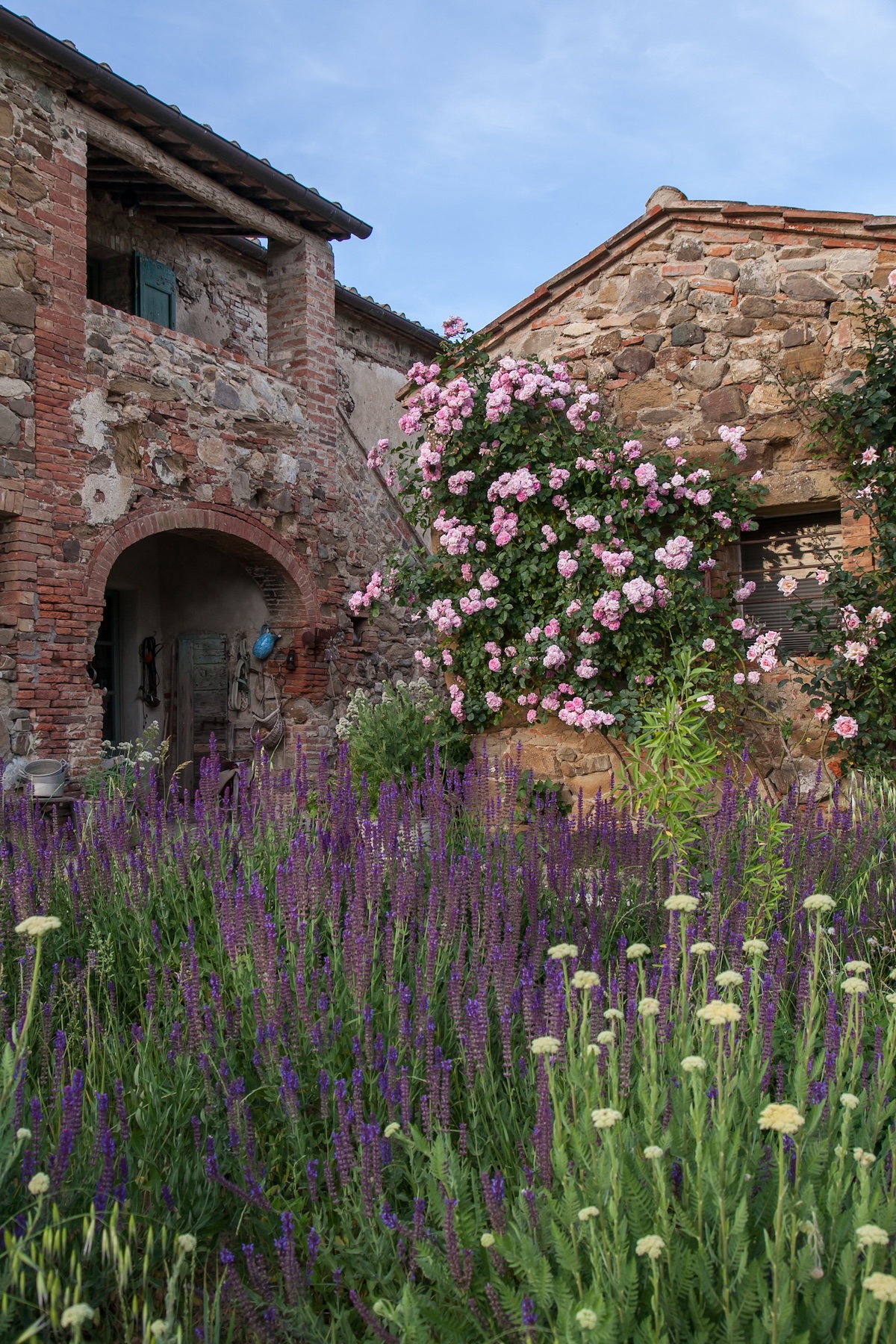
And then the most domestic of them all. Between Pienza and Montepulciano, Fabio Firli and Suzanne Simons left Rome in 2004 for a 200-year-old farmhouse and the unfussy life southern Tuscany has long promised, found it, restored it, and have spent the years since proving that hospitality can be domestic without turning saccharine. Follonico is six rooms, a working vineyard, three children and the unhurried rota of dogs, cats, chickens and geese. The interiors argue for restraint, salvaged doors leaning as headboards, antique typewriters on the desks, Suzanne's hand-sewn linens crisp as a Mediterranean morning, while breakfast runs to three courses that never repeat across a stay. Beyond the saltwater pool, Montepulciano rises on the horizon as it has for centuries, and time, mercifully, slackens.
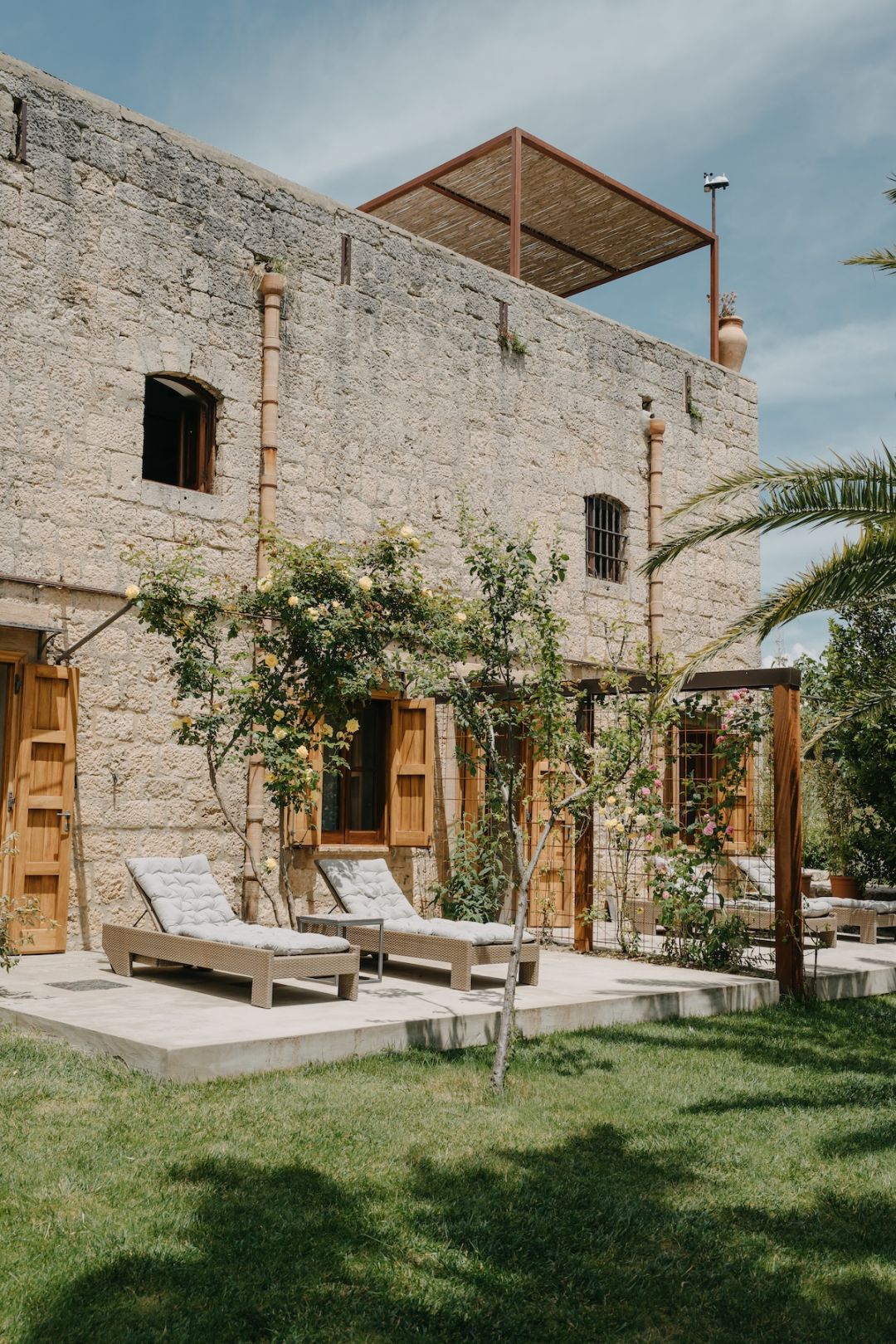
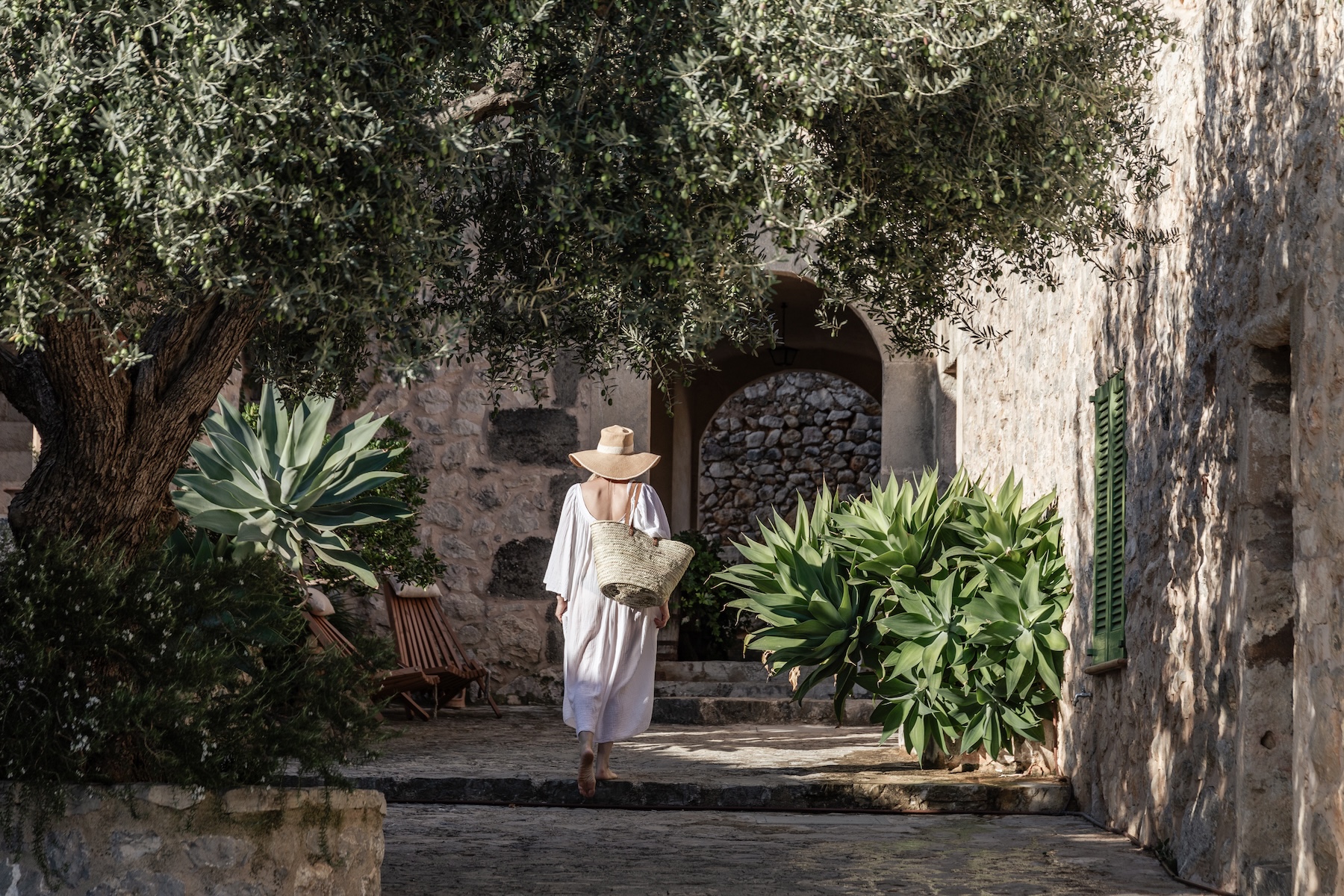
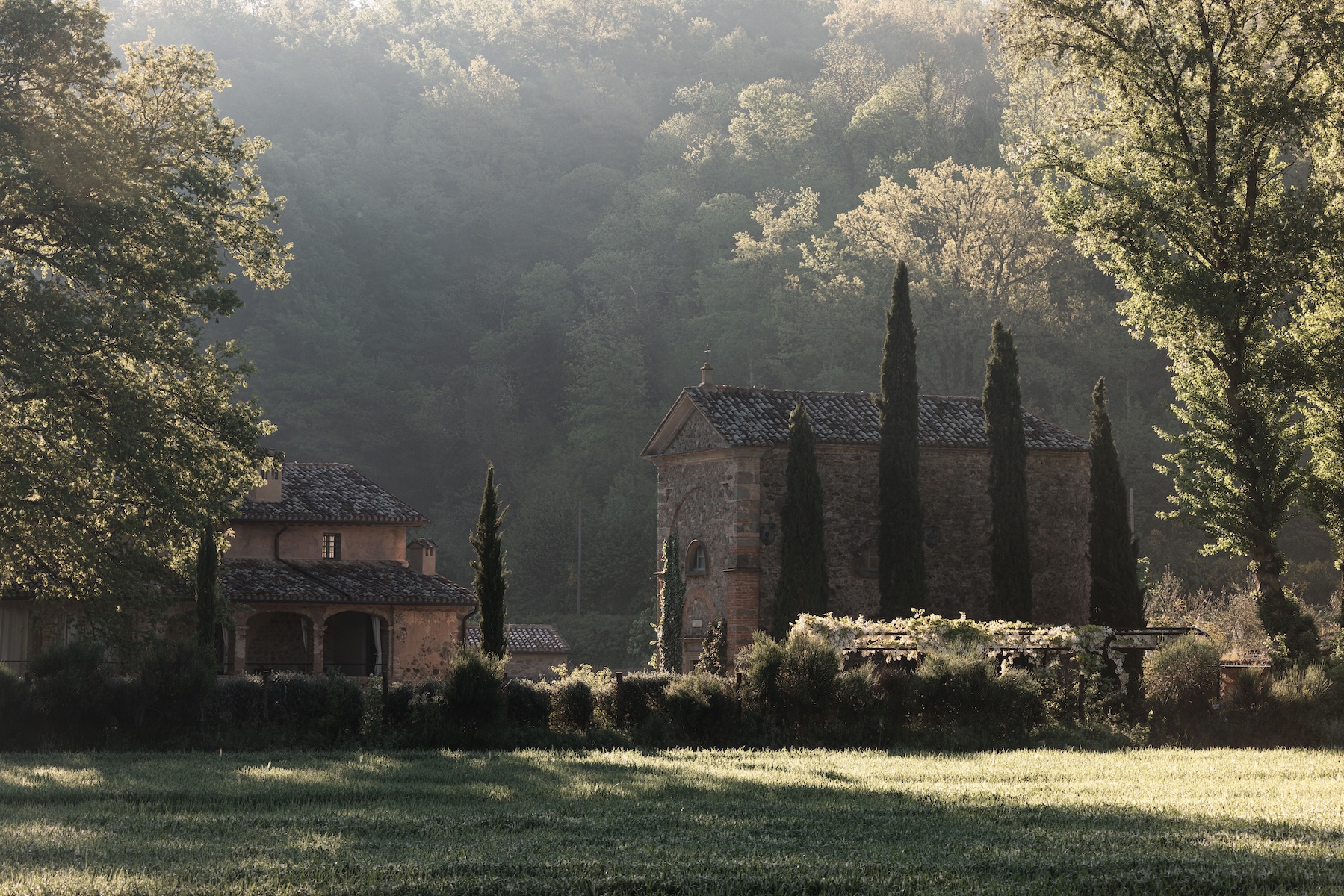
Each of these houses features in full in the launch issue of Unwaxed Lemons, our print magazine.
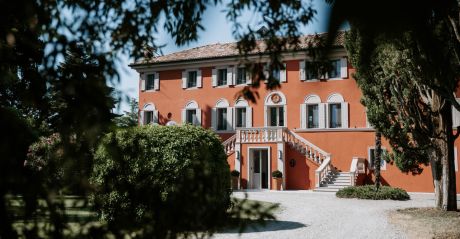
Grand old houses that refuse to behave like museums. Nine of them: heirlooms in daily use, centuries of welcome, styles with a gorgeous air of age.
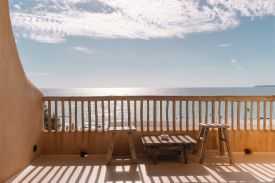
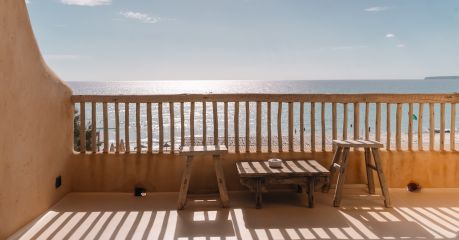
On Formentera's Migjorn coast, Hannah is a boutique hotel of curving sand-coloured plaster and flea-market antiques, with a seafood restaurant whose lobster lands fresh each morning.
read more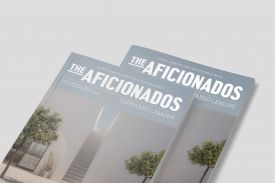
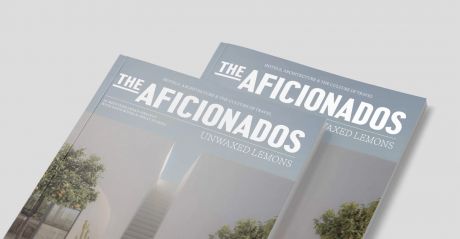
Our new summer magazine gathers thirty-six family-run design hotels across the Mediterranean, from Greece and Spain to Mallorca, Tuscany and Portugal. Here is why we put it on paper.
read more
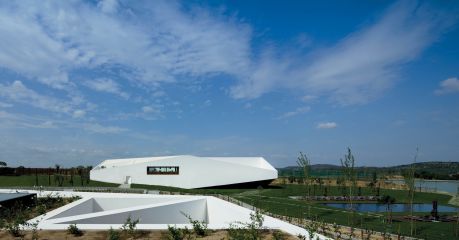
Clean lines, pale plaster, the good light. Seven houses that have read about the past, admire it and firmly decline to dress up as it.
read more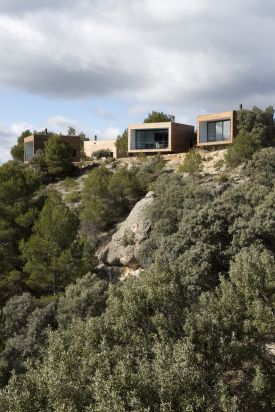
Minimalism with a private joke. Seven houses that know one perfect object, left gorgeously alone, does more than a hundred cushions could. Restraint, showing off.
read more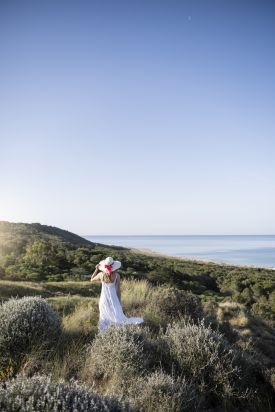
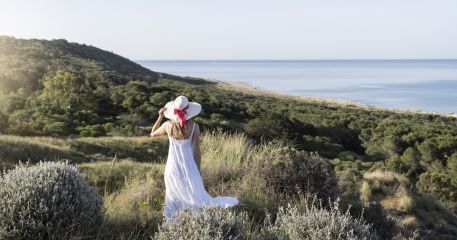
On Sicily's Agrigento coast, ADLER Sicilia is a design-led wellness and spa resort of clay and volcanic stone, set in a WWF reserve with farm-to-table cooking.
read more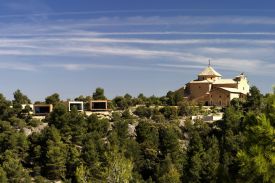
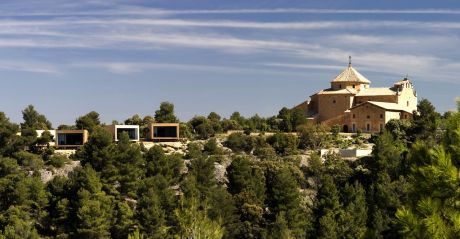
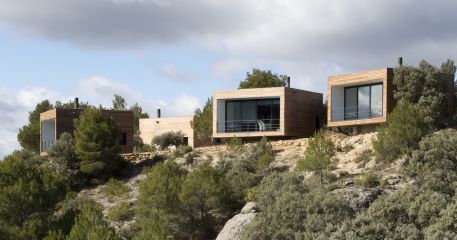
In Aragón's remote Matarranya, Consolación pairs a baroque hermitage with ten glass-and-slate design cubes and a slow-food restaurant, a quietly luxurious architectural hideaway near Monroyo, Teruel.
read more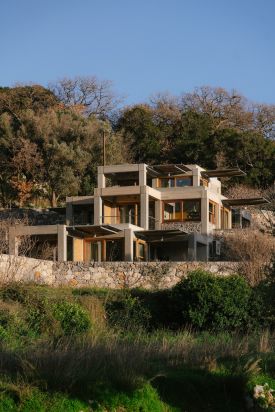
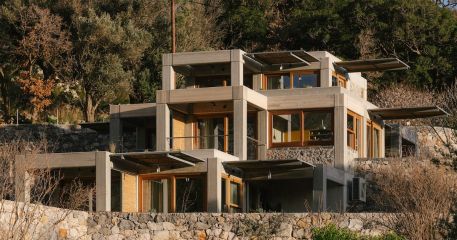
On a terraced hillside near Kissos, Crete, Meraki Studios are six cave-like apartments by Sigurd Larsen, built of concrete and local stone among olive terraces.
read more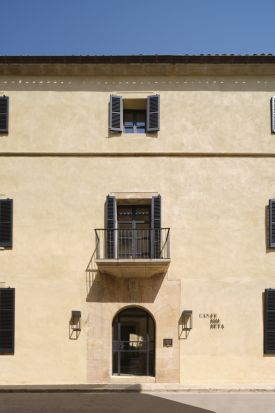
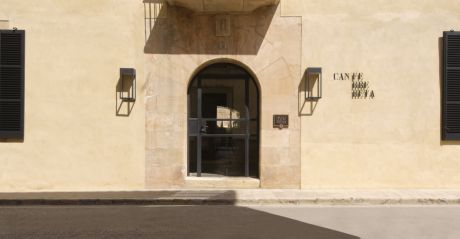
A 17th-century marès-stone mansion in Santanyí's old town, Can Ferrereta is a calm, art-filled luxury hotel with Mallorca's south-coast beaches half an hour away.
read more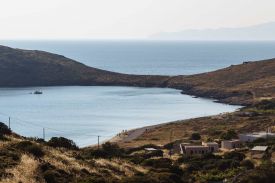
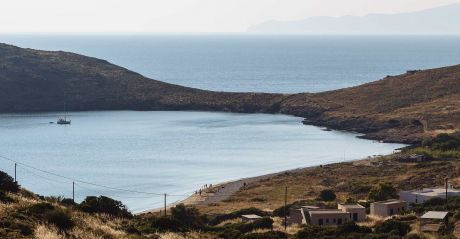
An enchanting island of culture, nature, heritage and sunset gorgeous coastline, explore the most beautiful beaches you need to know about when on the island of Syros.
read more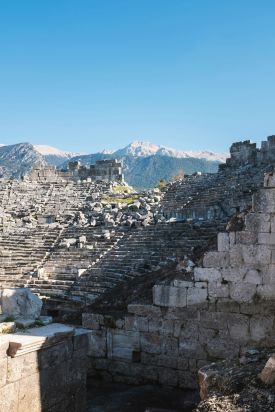
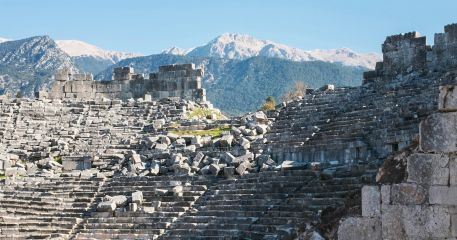
From the cliff-carved tombs of Tlos to the ghost village of Kayaköy, trace the soul of ancient Lycia along the Turkish Riviera’s sunlit coastline and mountain-framed archaeological wonders.
read more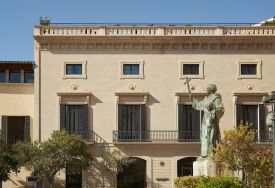
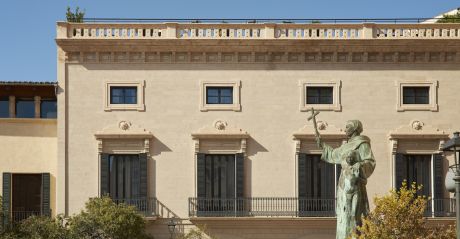
An 1860 Palma mansion turned boutique hotel, Sant Francesc pairs commissioned Mallorcan art, Lissoni and Hayón interiors and chefs Albaladejo and Forteza's Quadrat, minutes from La Seu.
read more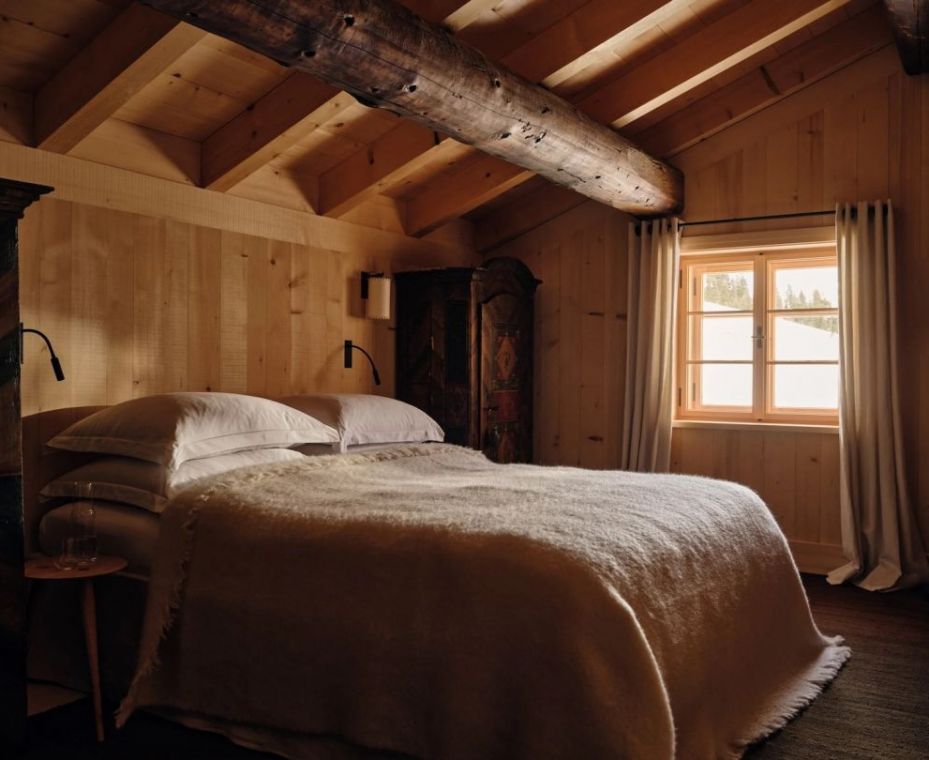
Get the insider news and lowdown on what we've been up to, where we've been, and who we've met along the way. Be the first to discover new places and get the scoop on our favourites.